


A beautiful finishing pour
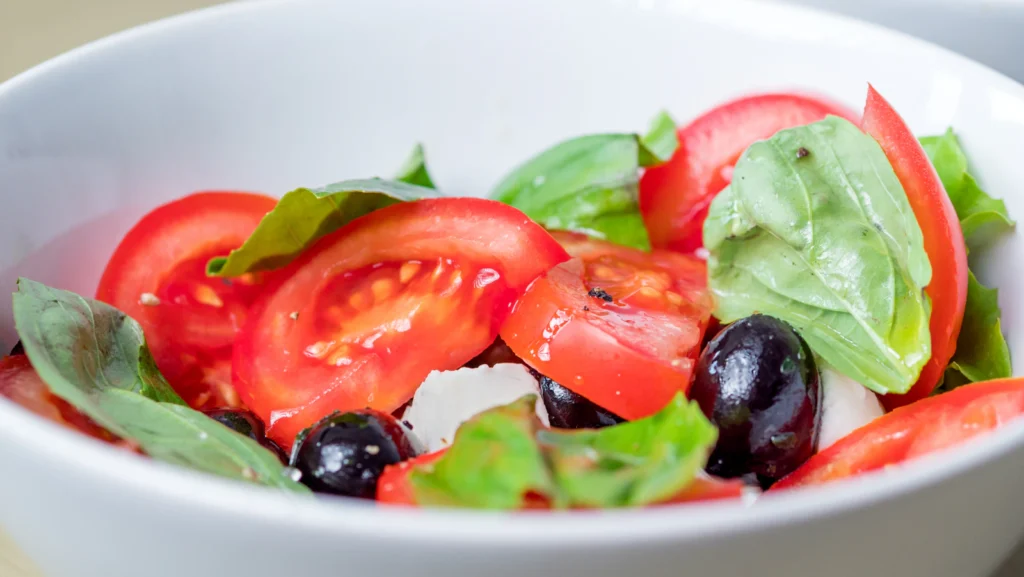
Dress tomatoes, warm beans and roasted vegetables with a final drizzle.
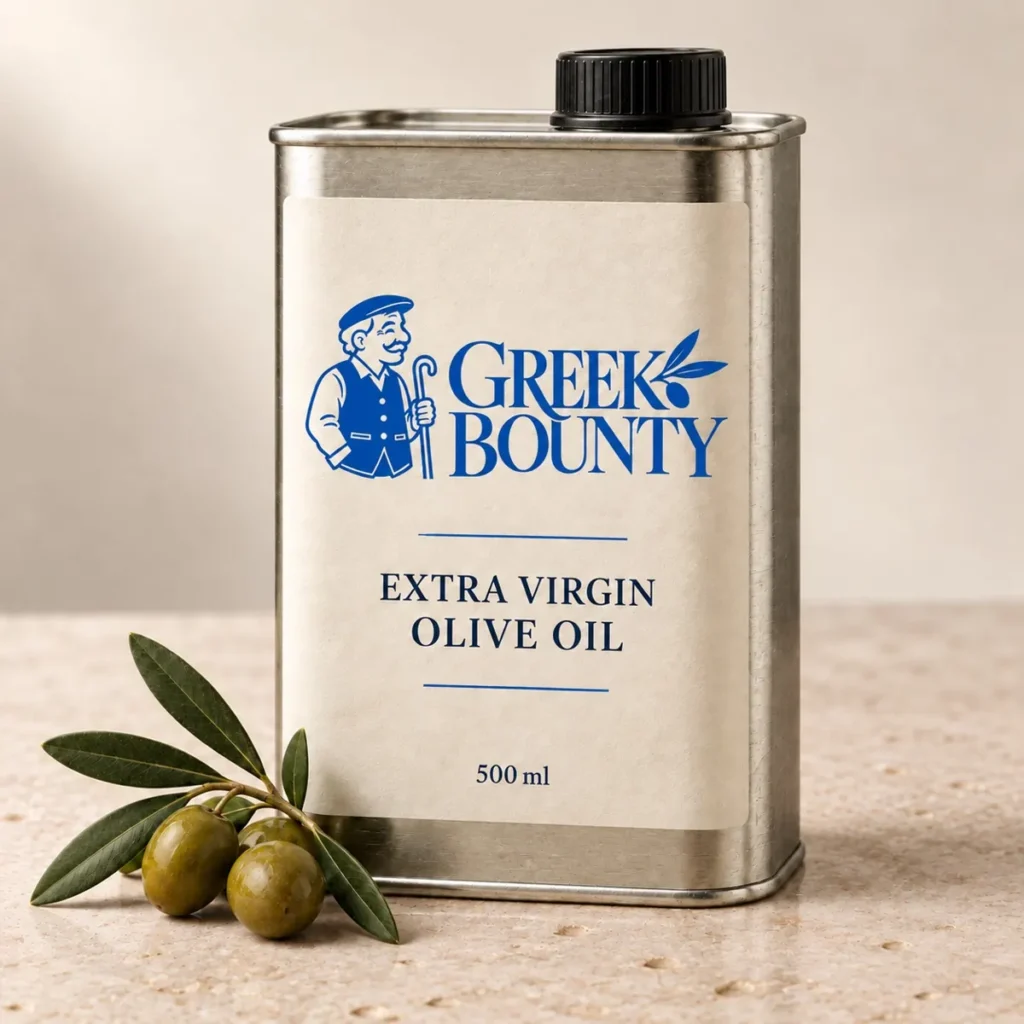
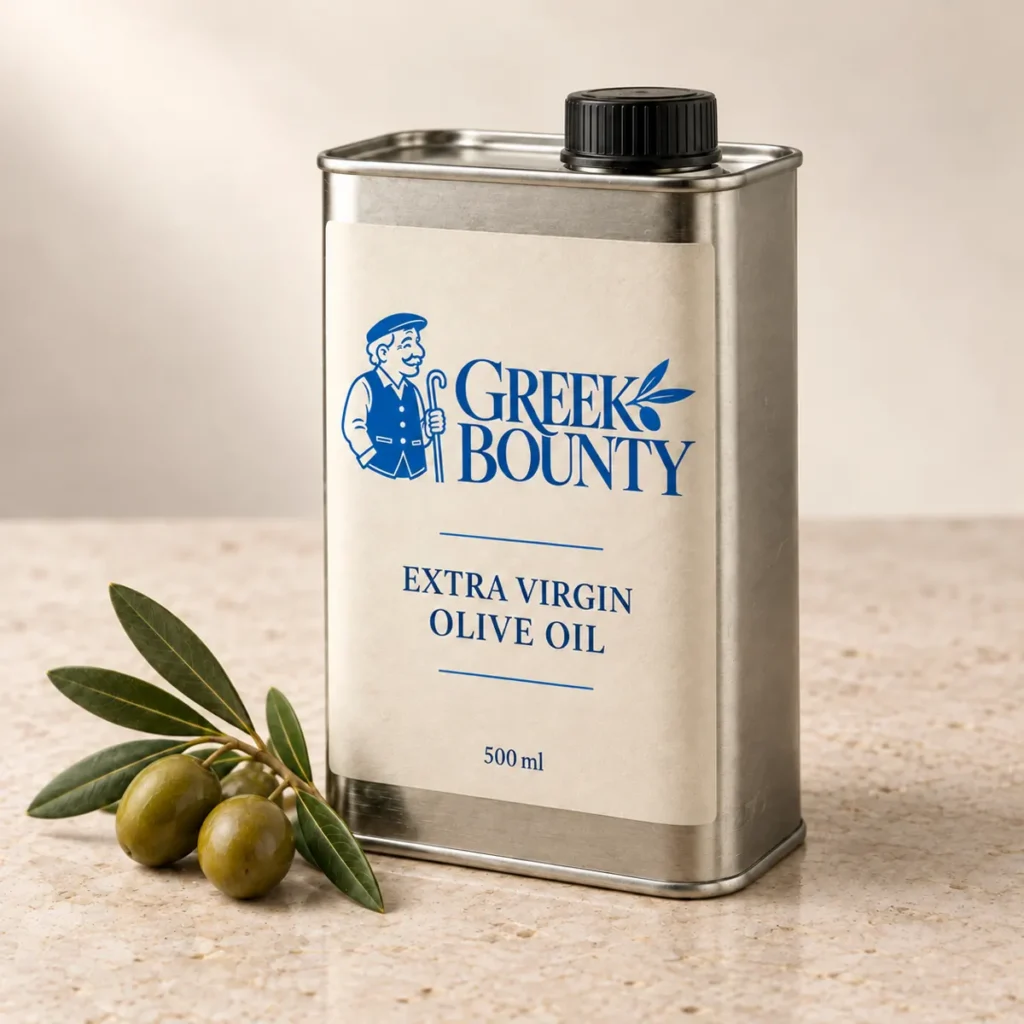
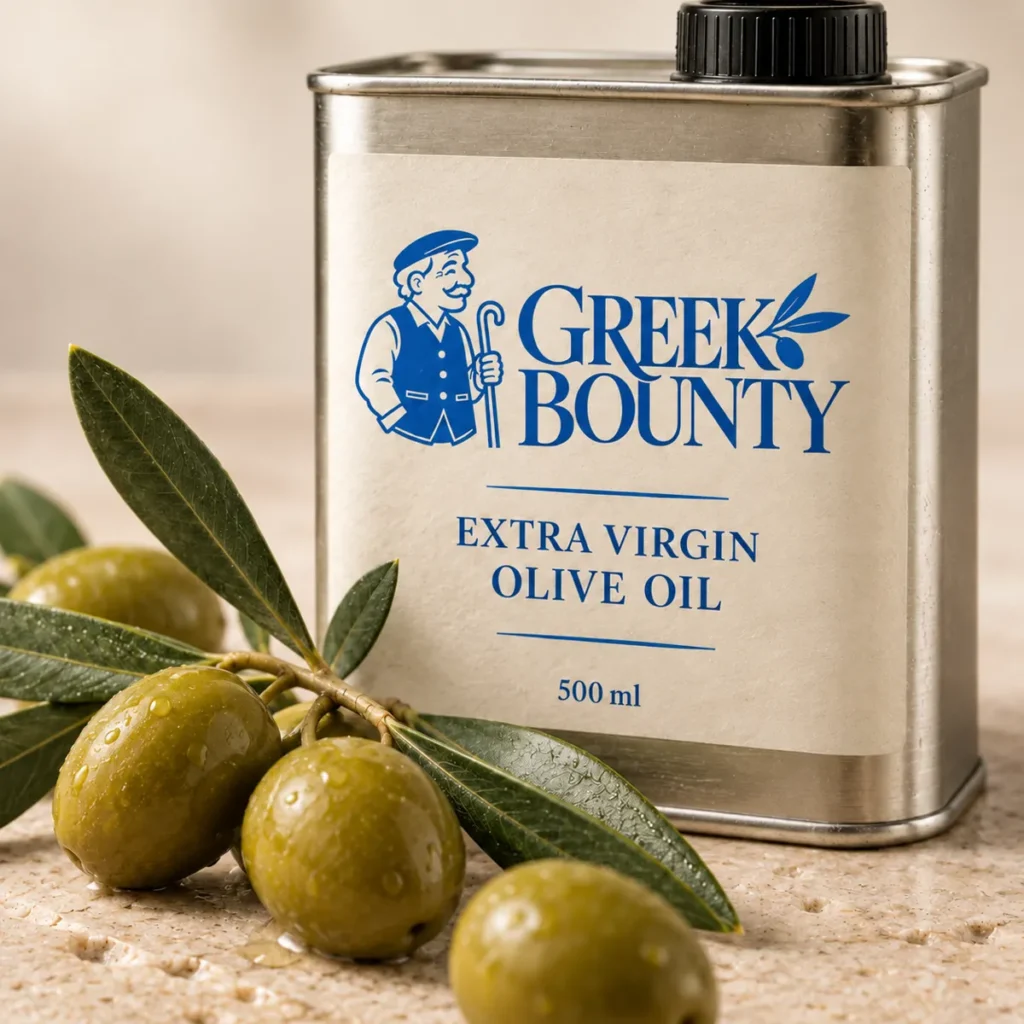



Packaging previews · Ingredient photographs follow.
Image 4. Photo: jonathan ocampo / Unsplash · Unsplash License. Resized and converted to WebP. Illustrative ingredient reference; no Greek Bounty product or origin claim.
Image 5. Photo: Grooveland Designs / Unsplash · Unsplash License. Resized and converted to WebP. Illustrative serving suggestion; no Greek Bounty product, cultivar or finished-recipe claim.
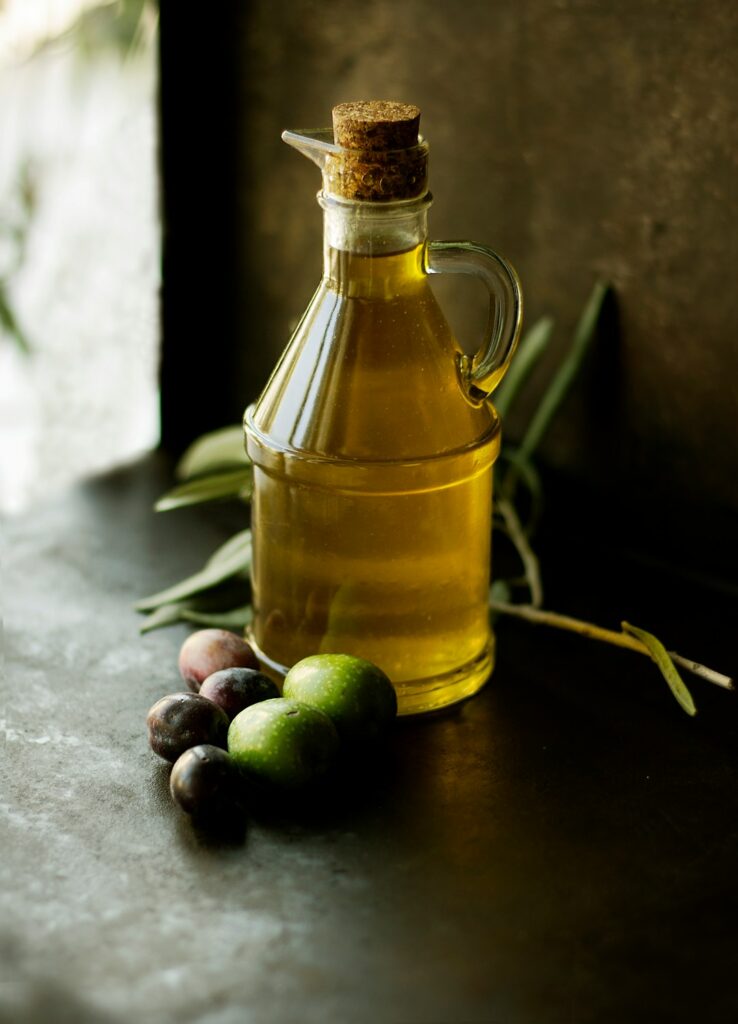
Image 6. Glass oil cruet on a restaurant table. Illustrative ingredient photograph; no GreekBounty product, origin, variety or finished-recipe claim. Photo: Anju Ravindranath / Unsplash · Unsplash License. Resized and converted to WebP.
Image 7. Photo by Roberta Sorge on Unsplash. Resized and cropped for display.
Image 8. Photo by jonathan ocampo on Unsplash. Resized; display may be cropped.
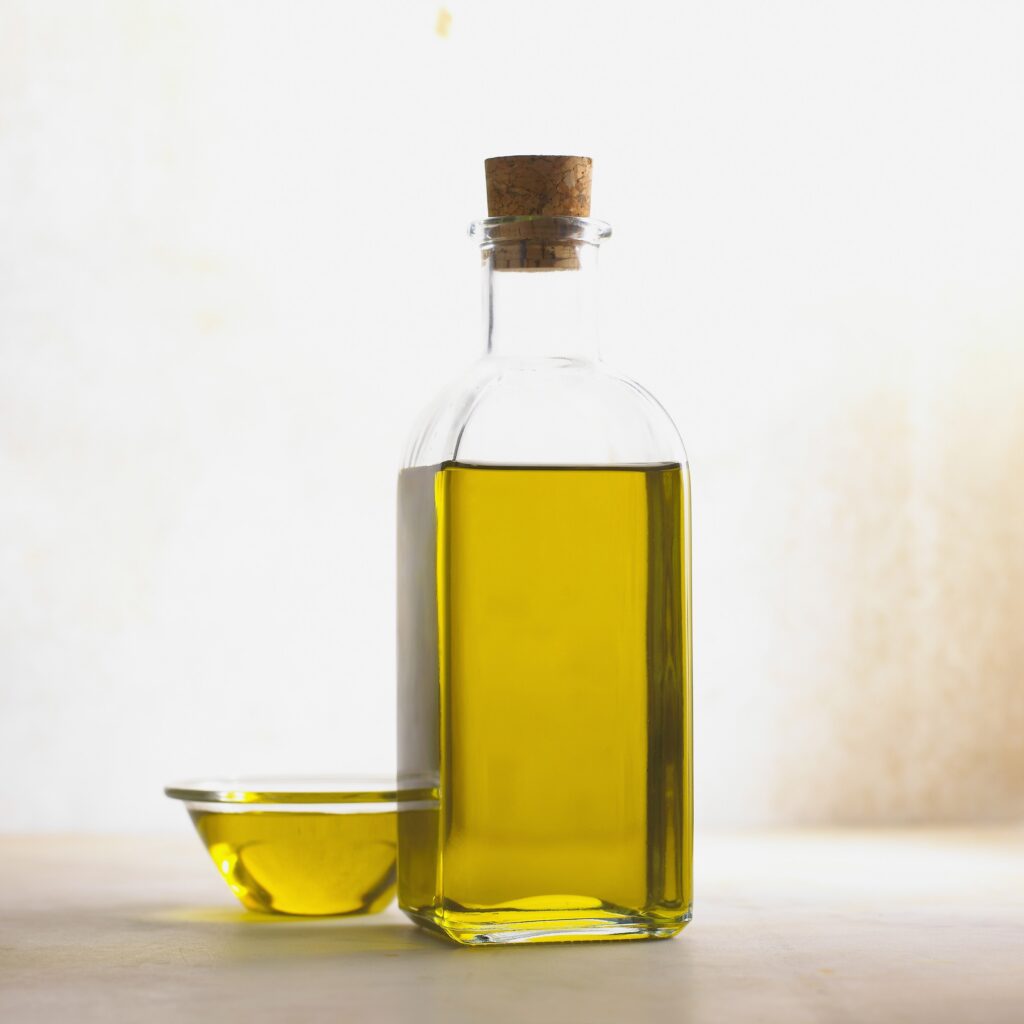
Image 9. Olive oil in a glass bottle. Photo: margenauer · CC0. Display may be resized or cropped.
AI-generated packaging and serving illustrations, not photographs of the product. The pack label is the authority for product details.
A generous pour. A peppery possibility. Everyday food, beautifully transformed.
Warm bread, ripe tomatoes, a generous pour. Great olive oil makes the simplest plate feel complete. Its pleasure is immediate: aroma rising from the dish, a little richness on the tongue, perhaps a lively peppery finish. Leave the food uncomplicated and give the oil room to make its impression. A beautifully considered meal can begin with just this one ingredient.
Across the southern Peloponnese, olive culture is a working landscape of groves and mills. Kalamata, Mani and Laconia belong to that story; Crete brings another deep tradition of its own. In western Crete, producers work with both Koroneiki and Tsounati varieties, a reminder that Greek oil has many expressions. Cultivar, harvest and handling shape the result. A region offers a fascinating beginning; discovering the character of an individual oil is where the pleasure becomes personal.
Pour over warm beans with lemon. Finish roasted vegetables just before they reach the table. Dress tomatoes, add oregano and keep bread nearby for the last of the juices. These are small gestures with a generous return: food that feels more thoughtful, more inviting, more worth sharing. Explore the companions to our extra virgin olive oil, and make space for the ingredient that can become the signature of your kitchen.
US shipping $8, free on orders of $75+. UK delivery available. Shipping & Returns
A useful way to explore Greek olive oil is to look beyond the country name. In western Crete, producers work with Koroneiki and Tsounati; in Laconia, regional olive traditions include Koroneiki and Athinolia. These names give you a starting point for comparison, not a fixed tasting promise. An early or later harvest, the producer’s handling and the age of the oil can all change the experience. Compare documented variety and harvest information alongside the stated flavor. For a Greek pantry, the best choice is an oil whose character works with the dishes you actually enjoy making.
Find its perfect pantry pairing →Dress tomatoes, warm beans and roasted vegetables with a final drizzle.
Bring bread, oil and a little oregano to the table.
Look for an oil whose stated flavor suits the way you cook.
Pair olive oil with olives, oregano and salt for an everyday Greek pantry.
Taste a small pour first, then choose how generously to dress the plate.
Add an oil dressing to cooked vegetables or beans when serving.
The character begins in the grove and takes shape at the mill.

Olives are gathered at a chosen stage of ripeness and taken promptly to the mill. Timing influences the finished oil’s character; an early harvest is a choice, not a universal quality guarantee.
Leaves are removed and the fruit is washed before crushing into a paste. Controlled mixing prepares that paste for mechanical separation, with careful attention to temperature.
A decanter separates liquid from solids. The oil is assessed for its category, then stored and bottled with protection from heat and light.
Fruit, harvest timing, and handling help shape aroma and flavor. Taste with simple food to appreciate the differences.
Modern mechanical extraction may use centrifuges; a press is not required for an oil to be extra virgin.
Extra virgin must meet chemical and sensory standards. Other retail olive-oil categories can include refined oil.
From the first taste to the last thoughtful touch.
For heart-conscious cooking, the useful question is what olive oil replaces. The American Heart Association recommends liquid plant oils, including olive oil, in place of fats such as butter and lard. This is guidance about the overall eating pattern, not a promise attached to one bottle. Use an amount that suits the meal and your energy needs; adding more oil is not automatically better. Let it dress vegetables, beans, or whole grains, and compare the actual product’s Nutrition Facts when available.
Simple ideas. Your own delicious ritual.
AI-generated ingredient and serving illustrations; images are not photographs of the recipes below.
Slice tomatoes, add dried oregano and dress just before serving.
Toss vegetables with oil and lemon; roast until tender.
Finish cooked beans with oil, herbs and a squeeze of lemon.

Inspired by the olive-growing landscapes of Laconia and Mani, and the rich pantry traditions of Crete. Greek Bounty is taking shape around useful ingredients and the pleasure of sharing good food.
Read how the Greek Bounty pantry is taking shape, and explore our ingredient guides.
Get to know Greek Bounty →The producer and pack details below describe this product. The pack label has the complete information.
Explore the ingredient guide →Discover complementary collections.
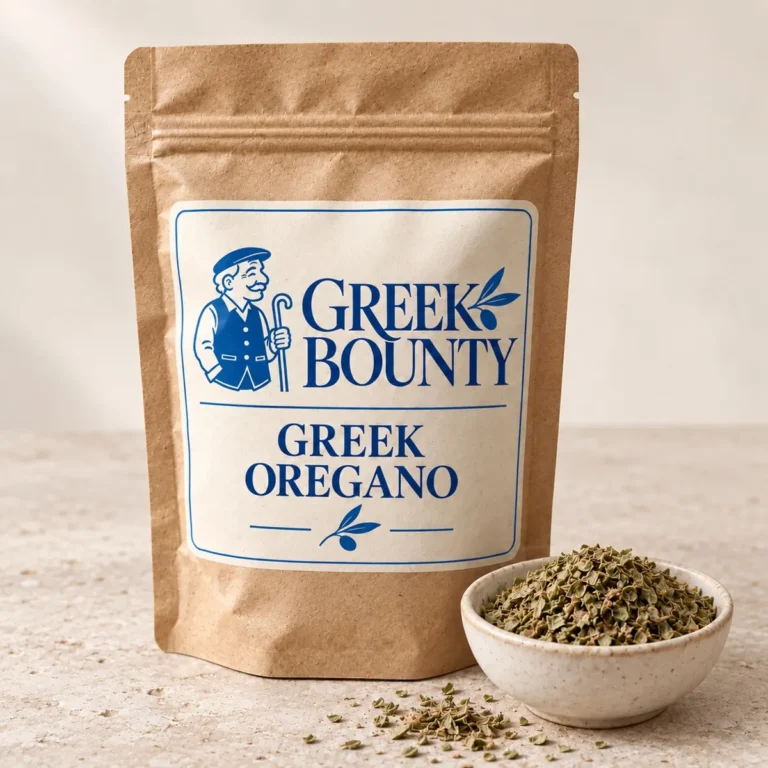 FOR YOUR PANTRY
Packaging preview.
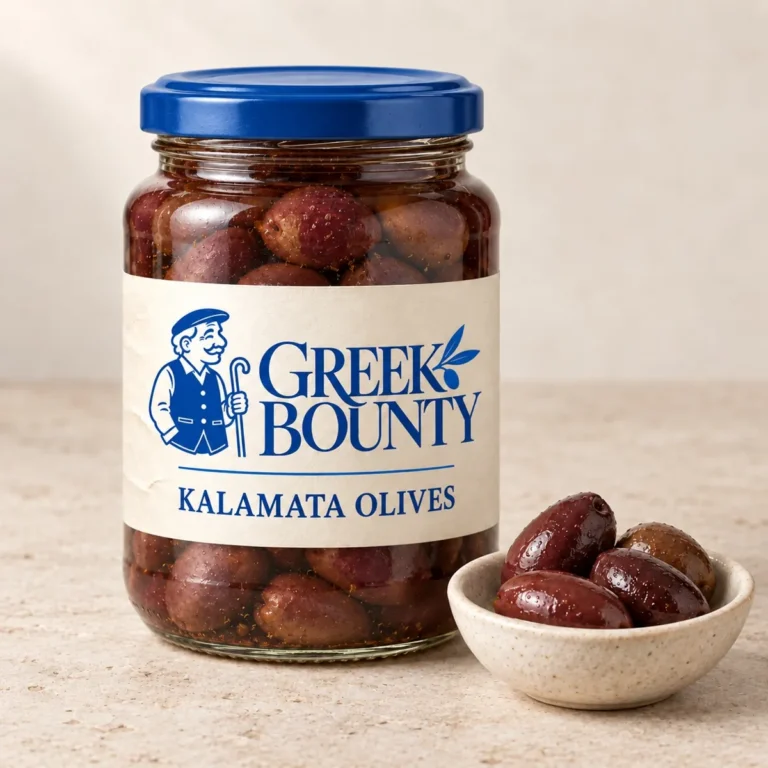 FOR YOUR PANTRY
Packaging preview.
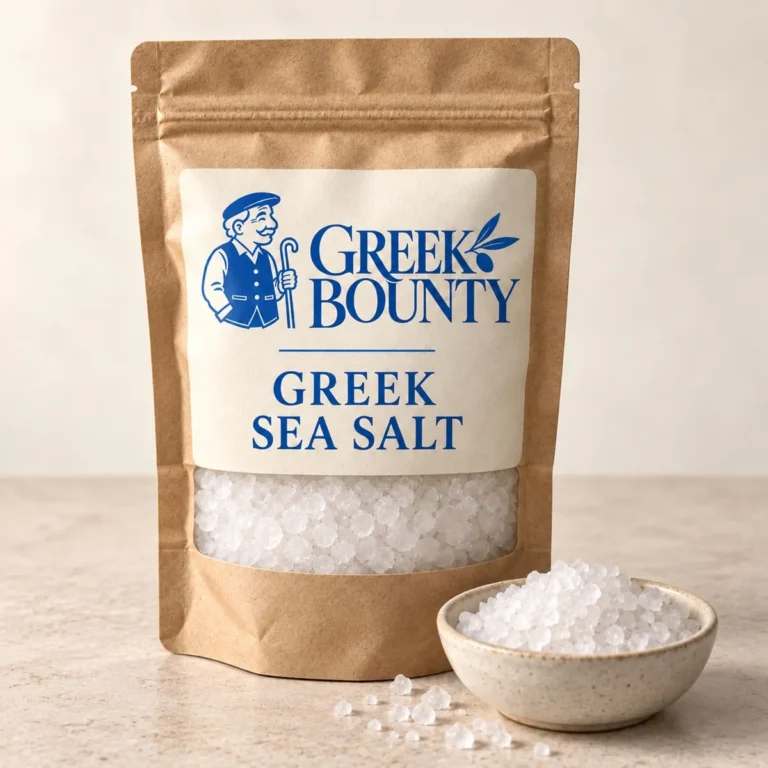 FOR YOUR PANTRY
Packaging preview.
Clear answers, without the guesswork.
It is an olive-oil category with defined chemical and sensory requirements. A final product must have supporting supplier information; the words alone do not prove quality.
Yes. It is used for cooking as well as finishing dishes. The North American Olive Oil Association gives a smoke point of about 350–410°F (177–210°C) for extra virgin olive oil. Our olive oil smoke point guide explains more.
Our Rapti Koroneiki olive oil comes from the Rapti estate in Messinia, Greece. It is a 500 ml format described as cold pressed.
Yes. We ship to the United States and the United Kingdom. UK delivery is $9.32, and free on orders of $89.90 or more.
Prices and US & UK shipping are live. Card checkout is being connected — email info@olympianllc.com to place an order.
US standard shipping is $8.00, and free on orders of $75 or more. UK delivery is $9.32, and free on orders of $89.90 or more.
Practical answers for choosing, preparing and enjoying it.
Olive oil smoke point for cooking →
Olive oil nutrition and calories →
Cretan olive oil and its PDOs →
Filtered vs unfiltered olive oil →
Olive oil tins and glass bottles →
Olive oil in the everyday kitchen →
Extra virgin vs virgin olive oil →
Olive oil vs butter for cooking and baking →
Early harvest olive oil (agourelaio) →
Greek salad (horiatiki) recipe →
Melitzanosalata (eggplant dip) →
Tirokafteri (spicy feta dip) →
Fig salad with feta and honey →
Gigantes plaki (baked giant beans) →
Gemista (stuffed tomatoes and peppers) →
Briam (Greek roasted vegetables) →
Fasolakia (Greek green beans) →
ACROSS THE PANTRY Build a Greek food gift basket · A simple Greek pantry mezze · Greek pantry recipes · Greek pantry for cafés and retailers · Ordering and shipping FAQ
Original ingredient notes by Greek Bounty · Updated October 3, 2026. General serving ideas, not supplier-specific instructions. Category reference: International Olive Council.
