
Olive Oil vs Butter: Cooking, Baking and Nutrition Compared
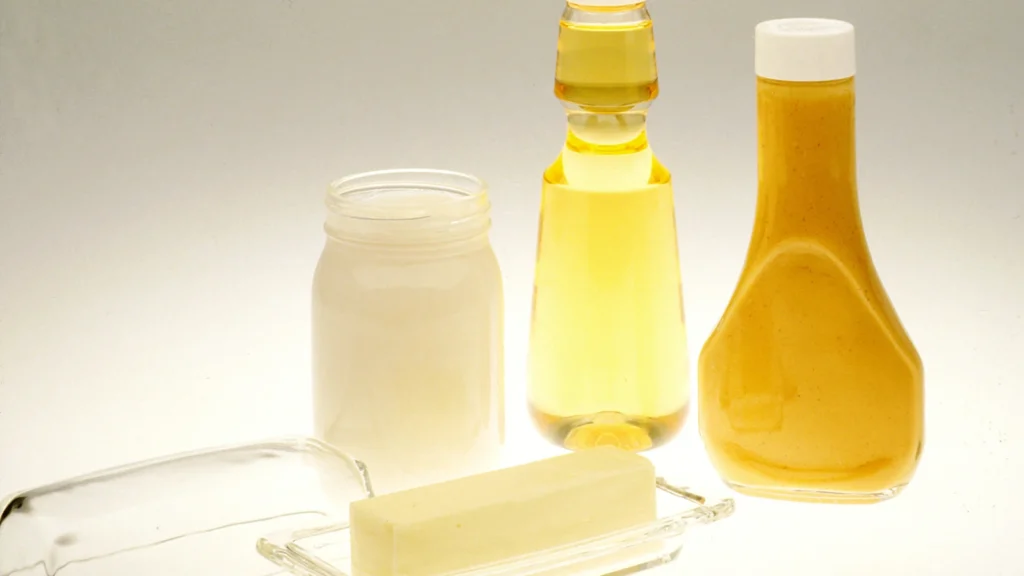

Olive oil and butter are the two fats most home cooks reach for, and in many recipes you can use either. They are not the same thing, though: butter contains water and milk solids, while olive oil is pure fat. That difference explains how each one behaves in a hot pan and in a cake. Below we compare them using USDA data and practical cooking guidance. This is a kitchen comparison, not dietary advice.
What each one is made of
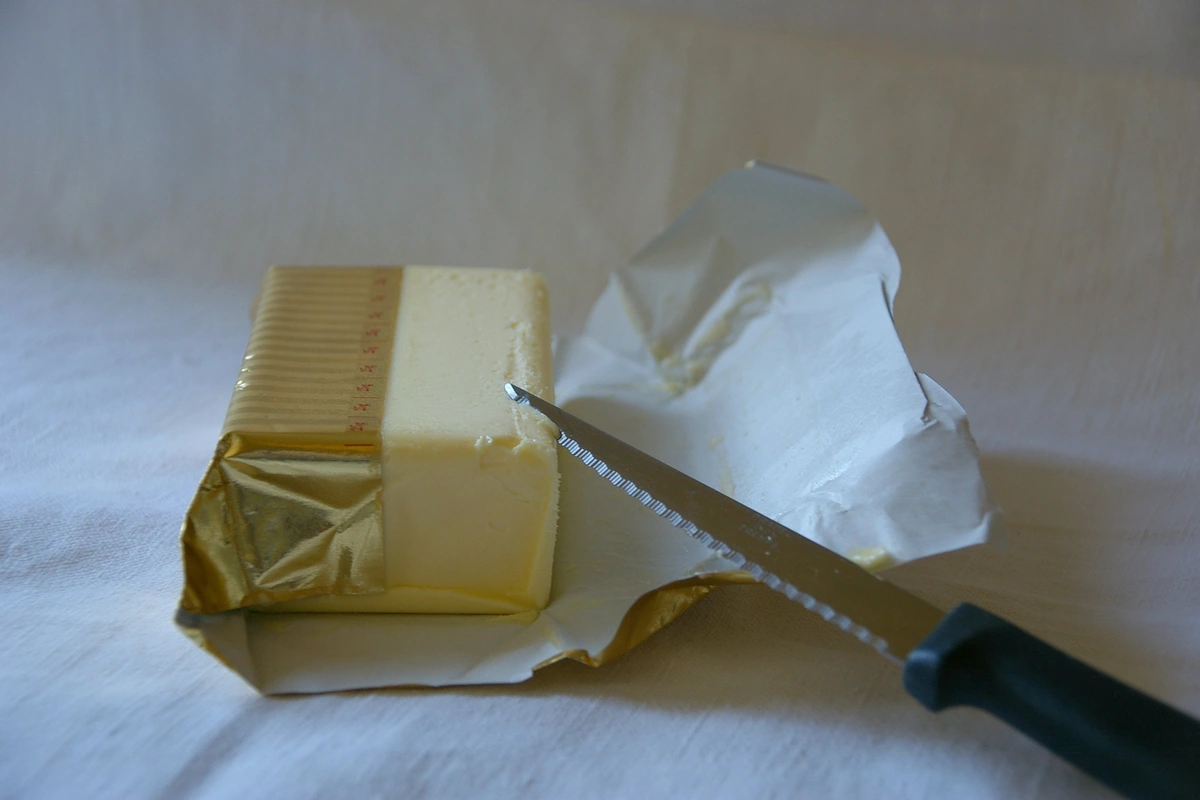
Butter is made from cream. In the US, butter must contain at least 80% milkfat, and USDA grades butter on its flavour, body, colour and salt. The rest is mostly water, with a little protein and milk sugar. Olive oil is the oil pressed from olives and is essentially 100% fat, with no water.
| Per 100 g (USDA FoodData Central) | Butter, salted | Olive oil |
|---|---|---|
| Energy | 717 kcal | 884 kcal |
| Total fat | 81.1 g | 100 g |
| Water | 16.2 g | 0 g |
| Protein | 0.85 g | 0 g |
| Saturated fat | 51.4 g | 13.8 g |
| Monounsaturated fat | 21.0 g | 73.0 g |
| Polyunsaturated fat | 3.0 g | 10.5 g |
| Cholesterol | 215 mg | 0 mg |
| Sodium | 643 mg (unsalted butter: 11 mg) | 2 mg |
| Vitamin A (RAE) | 684 µg | 0 µg |
| Vitamin E (alpha-tocopherol) | 2.3 mg | 14.4 mg |
Per tablespoon the numbers look closer than per 100 g, because a tablespoon of butter is partly water. Using USDA portion weights, a tablespoon of butter (about 14.2 g) has roughly 102 calories and 11.5 g of fat, and a tablespoon of olive oil (13.5 g) has about 119 calories and 13.5 g of fat. Our olive oil nutrition facts page has the full breakdown per teaspoon and tablespoon.
In the pan: heat, browning and flavour
The milk solids in butter are what make it brown, and then burn. That is useful for brown butter and golden pan sauces, but it means whole butter can scorch over steady medium-high heat, which is why many cooks add a splash of oil to the pan with it or use clarified butter for frying.
Olive oil has no milk solids. The North American Olive Oil Association (NAOOA) puts the smoke point of extra virgin olive oil at typically 350–410°F (177–210°C) and refined olive oil at 390–470°F (199–243°C), and notes that average stovetop cooking happens at around 350°F (177°C). Read more in our olive oil smoke point guide.
| Job | Olive oil | Butter |
|---|---|---|
| Sautéing and pan frying | Very good; heat the oil until it shimmers | Good over moderate heat; can scorch |
| Roasting vegetables | Very good, as in briam or lemon potatoes | Good, browns well; better at moderate temperatures |
| Dressings and dips | Liquid at room temperature; the classic choice | Solid when cold; not used |
| Finishing a dish | A drizzle of extra virgin oil adds fruit and pepper | A knob melts into sauces and vegetables |
| Laminated pastry, shortbread, buttercream | Not suitable | Needed: these rely on solid fat |
Baking with olive oil instead of butter
Olive oil works best in place of melted butter: in quick breads, muffins, brownies, many cakes and some cookies. It is less successful where a recipe creams solid butter with sugar to trap air, or depends on solid fat for flakiness, as in pie crust, puff pastry and shortbread. Because butter is about 16% water and olive oil is all fat, you need less oil. The NAOOA conversion chart uses roughly three parts olive oil for four parts butter:
| Butter | Olive oil |
|---|---|
| 1 teaspoon | ¾ teaspoon |
| 1 tablespoon | 2¼ teaspoons |
| ¼ cup (½ stick) | 3 tablespoons |
| ½ cup (1 stick) | ¼ cup + 2 tablespoons |
| 1 cup (2 sticks) | ¾ cup |
| 100 g | 78 ml |
| 250 g | about 195 ml |
Choose the oil for the flavour you want. A light-tasting or regular olive oil is almost neutral; a fruity extra virgin oil gives cakes a distinctive flavour, as in our olive oil cake. Going the other way, to use melted butter where a recipe calls for olive oil, reverse the ratio: about 1⅓ times as much butter by volume.
Olive oil substitutes
If a recipe calls for olive oil and you have none, another liquid oil is the easiest swap. The NAOOA says olive oil and vegetable oil can replace each other 1:1; the difference is flavour. See olive oil vs vegetable oil for how they compare. Melted butter works in baking and sautéing, but not in a dressing or a dip that is served cold, where it will set.
Butter and olive oil in Greek cooking
Most savoury Greek home cooking is built on olive oil: salads and dressings, vegetable dishes such as fasolakia, bean soups and roasts. Butter appears more in baking and in certain sweets, for example kourabiedes, while melomakarona and many Lenten sweets are made with olive oil. For everyday cooking, a good bottle of Greek extra virgin olive oil, such as our Rapti Koroneiki olive oil, covers almost everything.
Sources
- USDA FoodData Central: Butter, salted (FDC ID 173410)
- USDA FoodData Central: Butter, without salt (FDC ID 173430)
- USDA FoodData Central: Oil, olive, salad or cooking (FDC ID 171413)
- USDA Agricultural Marketing Service: Butter grades and standards
- North American Olive Oil Association: Olive oil smoke point
- North American Olive Oil Association: Butter to olive oil conversion chart
- North American Olive Oil Association: Can I substitute olive oil for vegetable oil?
Olive oil vs butter: frequently asked questions
Can I use olive oil instead of butter?
Yes, in most recipes that use melted butter and for sautéing and roasting. Use about ¾ as much olive oil as butter. It doesn’t work where solid butter is needed, such as puff pastry or shortbread.
Does olive oil have more calories than butter?
Per tablespoon, slightly: about 119 calories for olive oil and about 102 for butter, according to USDA data, because butter contains water.
Which is better for frying, butter or olive oil?
Olive oil handles steady pan frying better, because butter’s milk solids can burn. Many cooks combine the two or use clarified butter.
Is olive oil good for baking?
Yes, especially in cakes, quick breads and brownies. A light-tasting olive oil is nearly neutral; extra virgin adds a fruity flavour.

Good things from our land, ideas for your table.
Explore the pantry journal →