

Bring breakfast together
Finish a yogurt bowl with figs and a little honey.
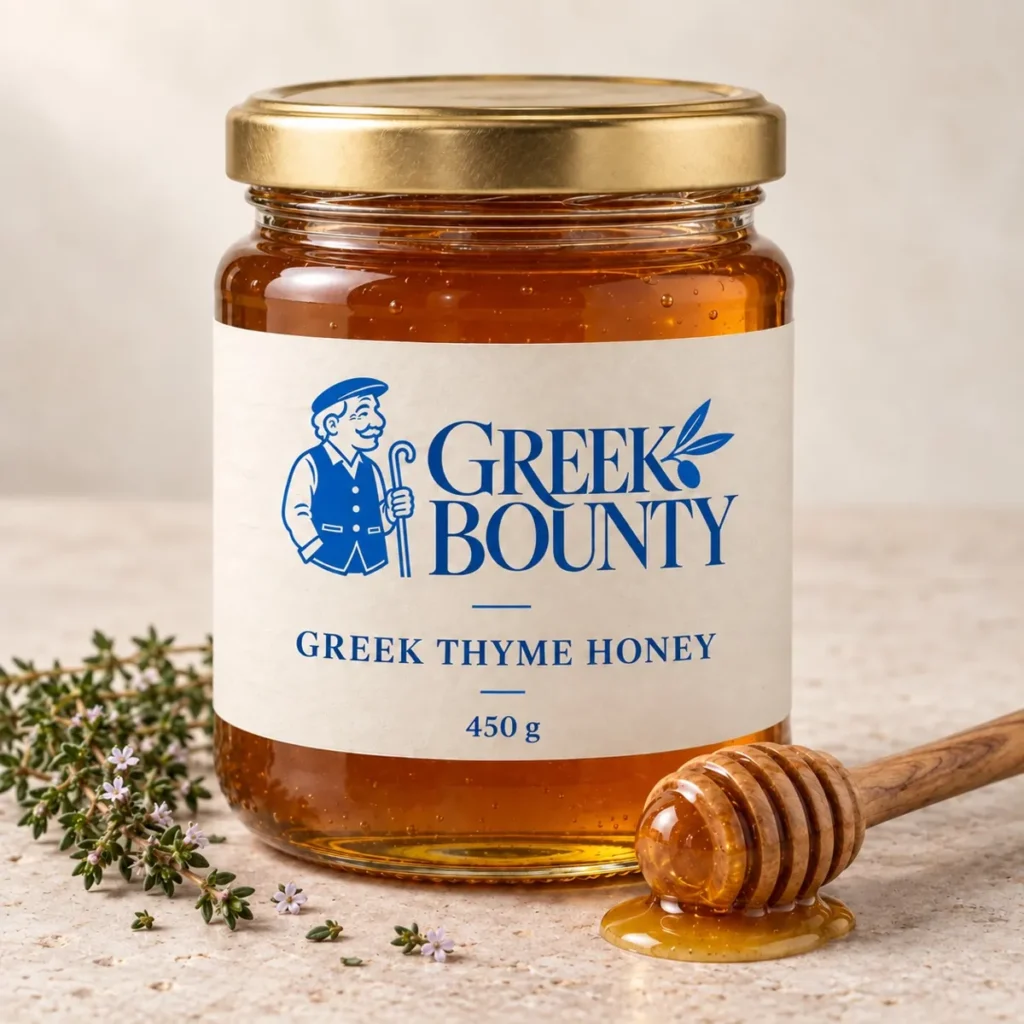
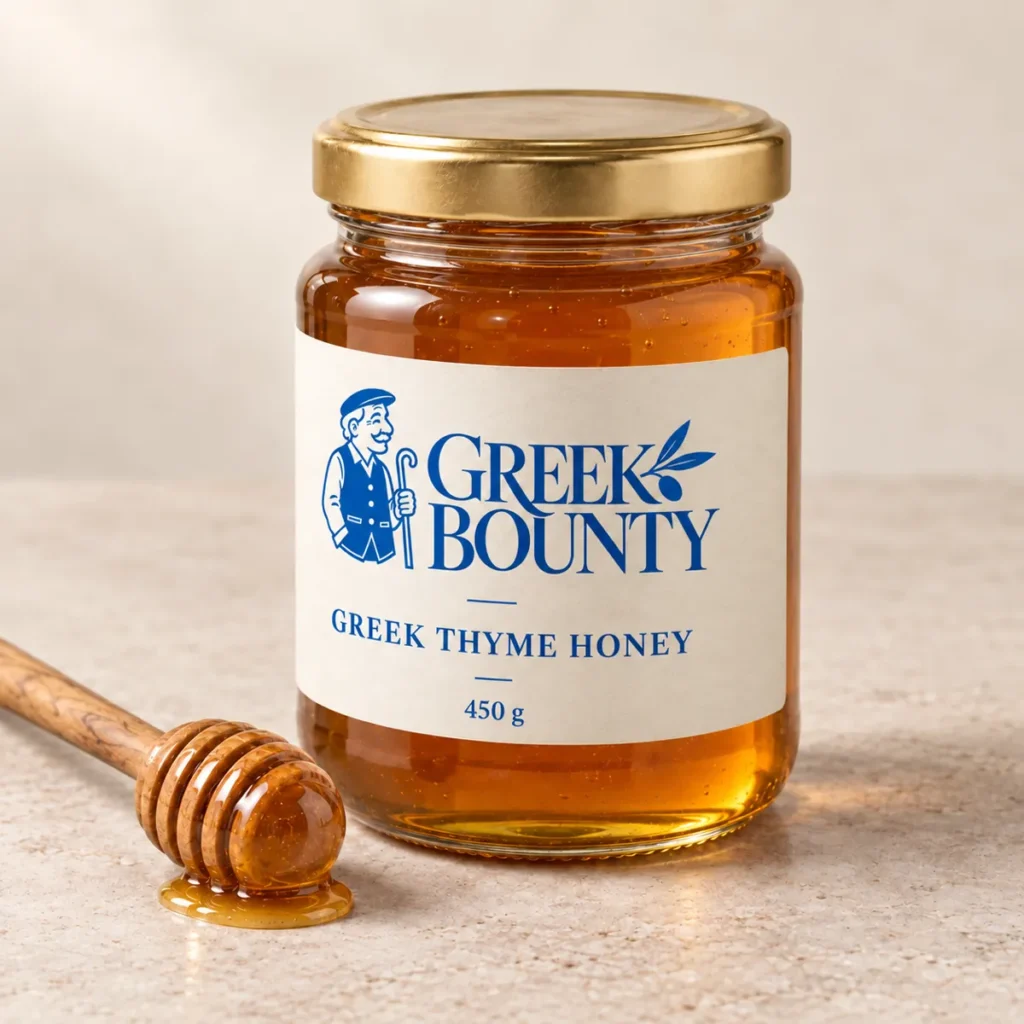
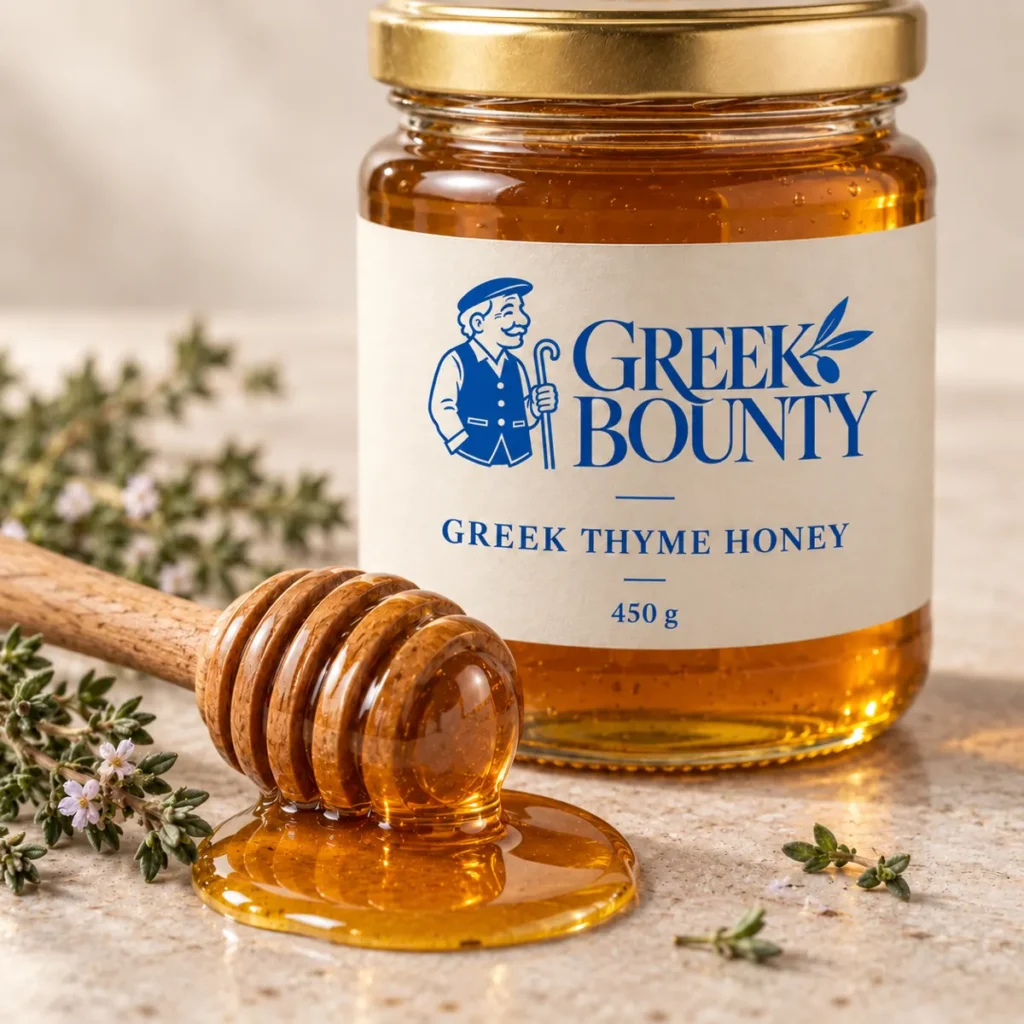
Packaging previews · Ingredient photographs follow.
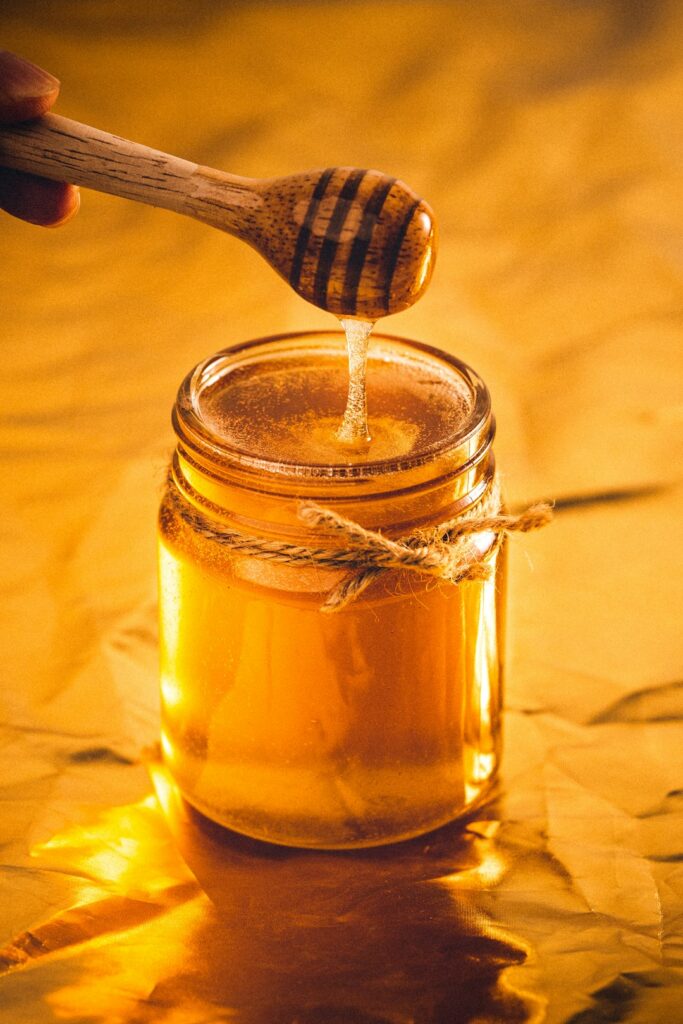
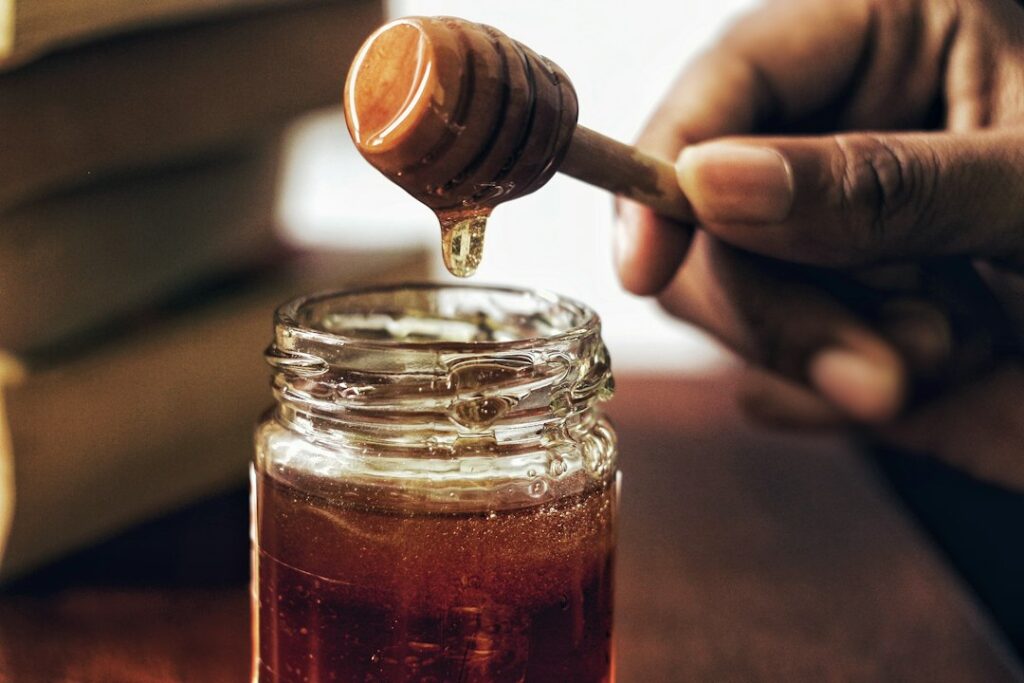
Image 4. Photo by Art Rachen on Unsplash. Resized and cropped for display.
Image 5. Photo by Arwin Neil Baichoo on Unsplash. Resized; display may be cropped.
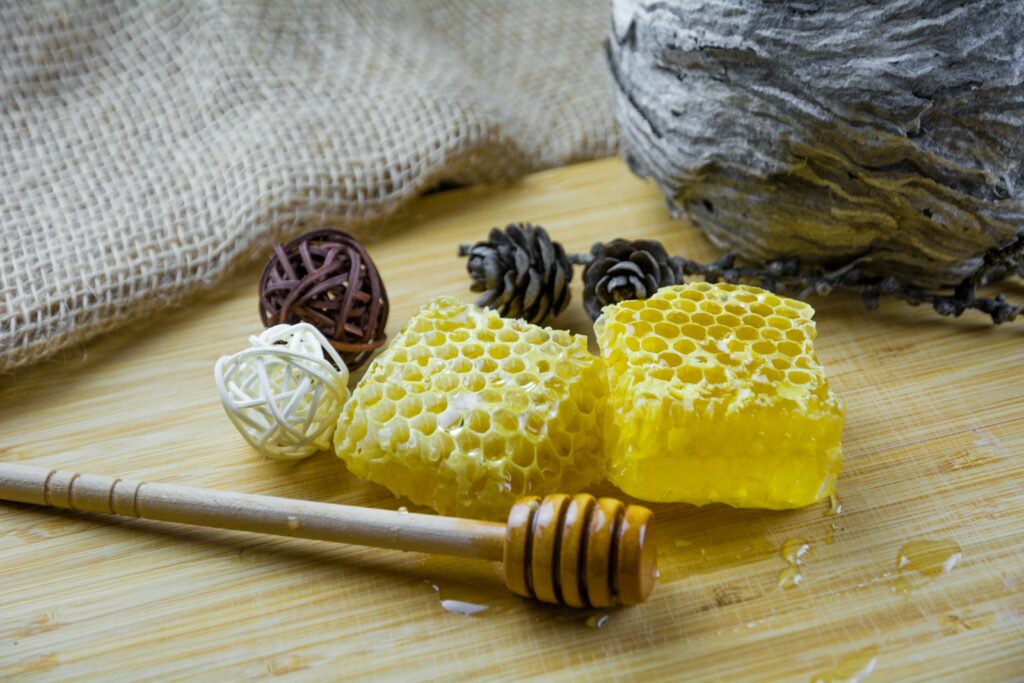
Image 6. Honeycomb with a wooden dipper. Photo: Bermix Studio · Unsplash License. Display may be resized or cropped.
AI-generated packaging and serving illustrations, not photographs of the product. The pack label is the authority for product details.
A slow ribbon of sweetness. A whole world of flavor.
Watch a ribbon of honey fall across thick yogurt. Add a few slices of fig, take the first spoonful, and let the contrasts unfold: sweetness, a cool tang, a little chew. Greek honey lends itself to this kind of quiet luxury. A small amount can give breakfast a sense of occasion, or turn an afternoon cup into a ritual you look forward to.
Its regional stories are wonderfully varied. Crete has traditions of thyme and pine honey; Thasos has a distinctive pine-honey culture, with the season itself influencing color. In Arcadia, Mainalo’s fir-honey tradition is known for a light, pearly appearance. Flower and forest honeys invite different discoveries, rather than a single taste that every Greek jar must share. The honey type is part of the pleasure of choosing, and the final jar’s character should guide how you serve it.
Let a spoonful meet warm toast. Whisk a little into lemon and olive oil for a dressing with a softer edge. Or set it beside mountain tea and sweeten the cup to your own taste. Each jar in our collection names its producer and honey type, making it easy to find the style that belongs at your table. Explore its fig, tea and sesame pairings, and discover how memorable a little sweetness can be.
US shipping $8, free on orders of $75+. UK delivery available. Shipping & Returns
Greek honey is a collection of different traditions. Thasos has a pine-honey culture; its beekeeping cooperative notes that an autumn harvest can be darker than a spring one. Mainalo’s fir-honey tradition has another identity, described in its historical specification through a light, pearly appearance. Cretan beekeeping includes thyme and pine styles. These examples make honey interesting to compare, but color alone cannot identify its source or quality. Read the stated type and origin, then taste the particular jar. A honey suited to a delicate cup of tea may not be the one you prefer in a savory dressing.
Find its perfect pantry pairing →Finish a yogurt bowl with figs and a little honey.
Add a spoonful to a brewed mountain-tea infusion.
Try a little honey in a lemon dressing to balance its sharpness.
Choose your serving amount around the final honey’s particular character.
A small spoonful can soften the sharp edge of a lemon dressing.
Let smooth honey meet chewy figs or crisp toast.
Honey carries a story of forage, season, and careful handling.
Greek beekeeping spans flowers and forest sources. Beekeepers may move hives to follow seasonal forage, allowing different landscapes to contribute their own honey traditions.
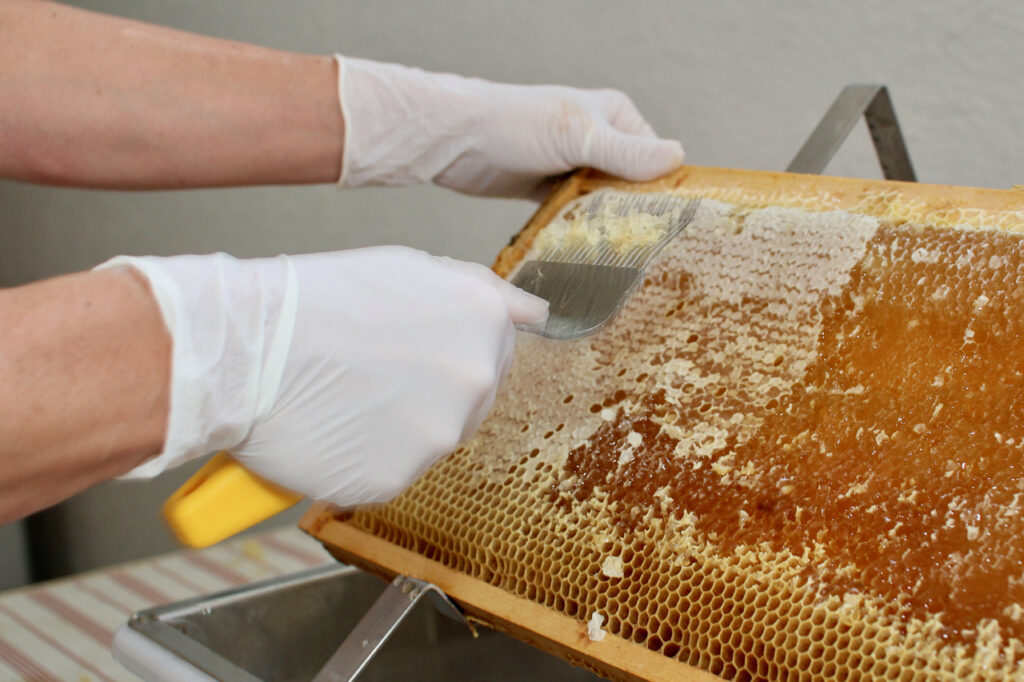
In a commonly used extraction process, the beekeeper selects frames of ripe, sealed honey. The wax caps are removed so the honey can be released from the comb.
Extraction equipment transfers honey into containers, followed by settling before packing. The precise handling belongs to each producer and influences the final presentation.
Let a small spoonful stand on its own before pairing with yogurt, cheese, or a dressing.
The forage source differs: blossom honeys and forest honeys belong to distinct traditions, with their own flavors and appearances.
Extraction releases honey from the comb. Honeycomb keeps the honey within its wax cells, creating a different table experience.
From the first taste to the last thoughtful touch.
Honey is a sweetener, and its contribution to added sugars still counts even when it is pure or comes from a distinctive region. FDA labeling guidance includes honey within added sugars; that does not mean another sweetener was mixed into the jar. For an eating pattern attentive to heart health, enjoy its flavor in a measured amount and consider other sweetened foods and drinks across the day. Floral character and culinary tradition are reasons to appreciate honey, not evidence that it improves circulation or replaces medical care.
Simple ideas. Your own delicious ritual.
AI-generated ingredient and serving illustrations; images are not photographs of the recipes below.
Slice dried figs and finish a yogurt bowl with a light drizzle.
Brew your tea first, then add honey to taste.
Whisk lemon, olive oil and a small spoonful of honey.

Inspired by the olive-growing landscapes of Laconia and Mani, and the rich pantry traditions of Crete. Greek Bounty is taking shape around useful ingredients and the pleasure of sharing good food.
Read how the Greek Bounty pantry is taking shape, and explore our ingredient guides.
Get to know Greek Bounty →The producer and pack details below describe this product. The pack label has the complete information.
Discover complementary collections.
 FOR YOUR PANTRY
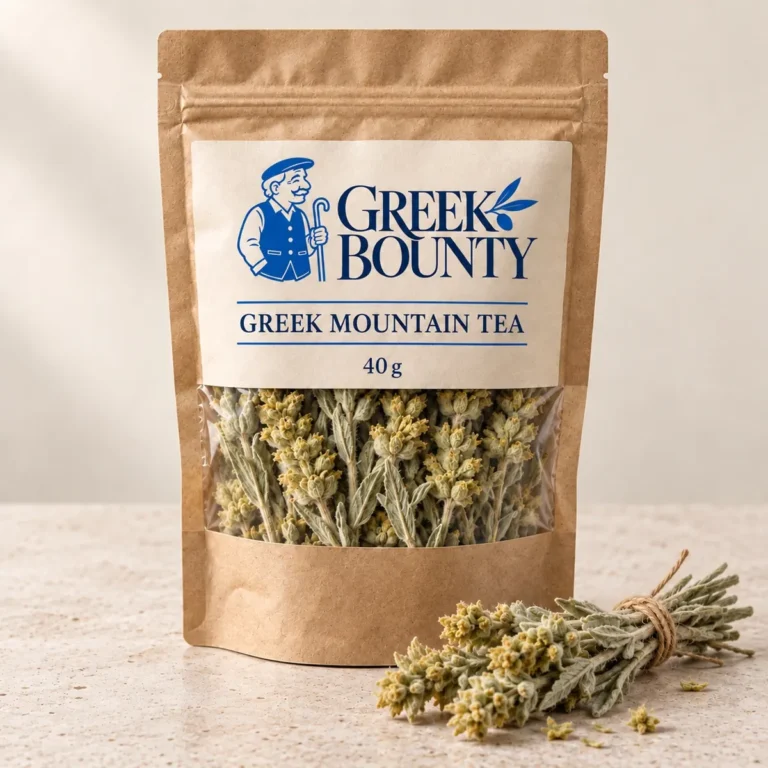
Packaging preview.
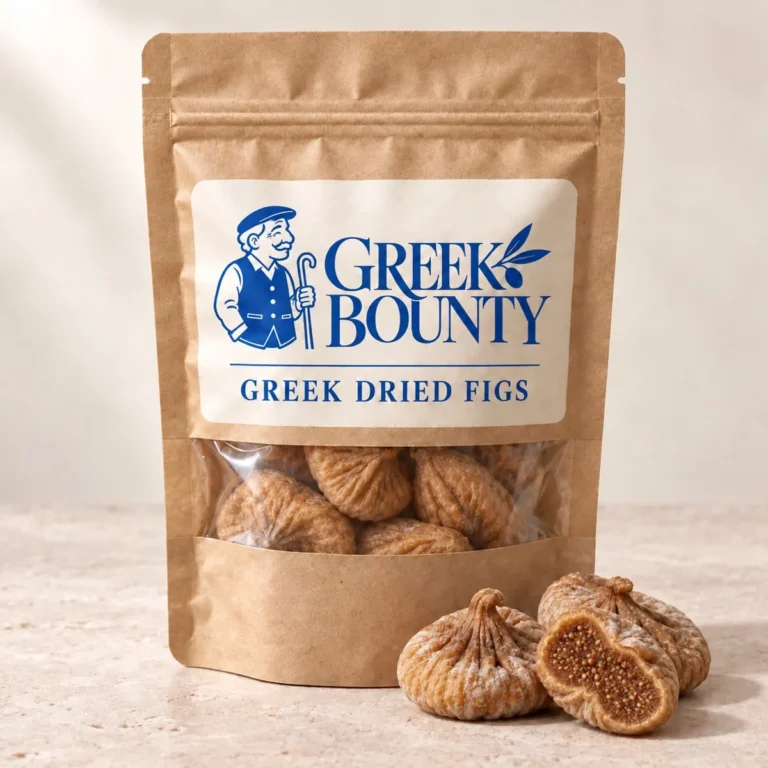 FOR YOUR PANTRY
Packaging preview.
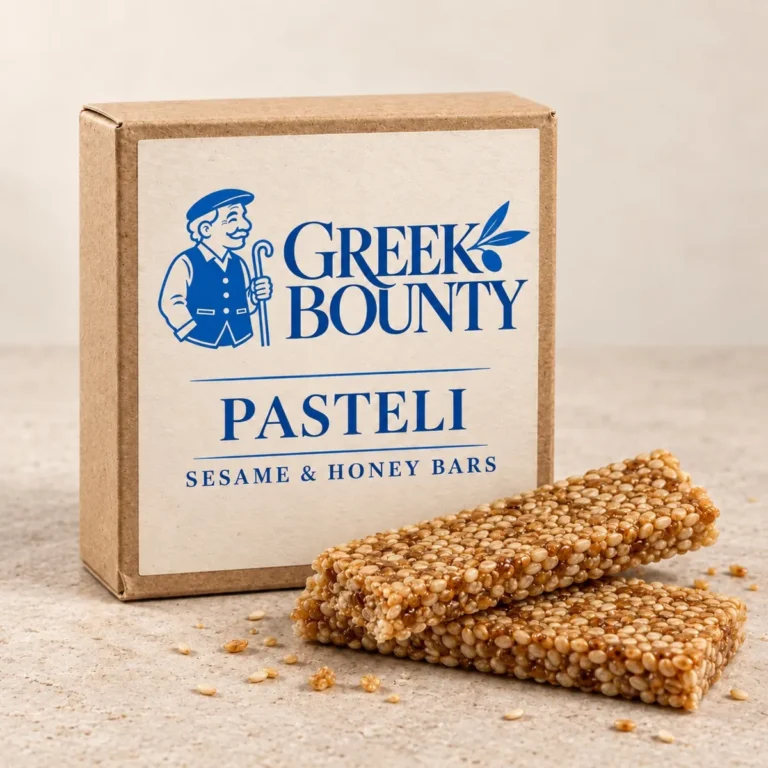 FOR YOUR PANTRY
Packaging preview.
Clear answers, without the guesswork.
Kalymnos thyme honey from G. Skevofylakas, in a 450 g jar. It is described as raw, and the stated origin is Kalymnos, Greece.
Crystallisation can occur naturally. It does not by itself establish quality, authenticity or spoilage; check the label and product condition.
It is described as raw. No organic certification is stated. The label on the pack has the exact ingredient and storage details.
Yes. We ship to the United States and the United Kingdom. UK delivery is $9.32, and free on orders of $89.90 or more.
Prices and US & UK shipping are live. Card checkout is being connected — email info@olympianllc.com to place an order.
US standard shipping is $8.00, and free on orders of $75 or more. UK delivery is $9.32, and free on orders of $89.90 or more.
Practical answers for choosing, preparing and enjoying it.
Honey nutrition and calories →
Creamed honey vs liquid honey →
Melomakarona (honey cookies) →
Greek desserts: 20 classic sweets →
Greek desserts: the classics →
Tsoureki (Greek Easter bread) →
ACROSS THE PANTRY Build a Greek food gift basket · A simple Greek pantry mezze · Greek pantry recipes · Greek pantry for cafés and retailers · Ordering and shipping FAQ
Original ingredient notes by Greek Bounty · Updated October 3, 2026. General serving ideas, not supplier-specific instructions.
