
Is Creamed Honey Dairy Free? What the Name Tells You
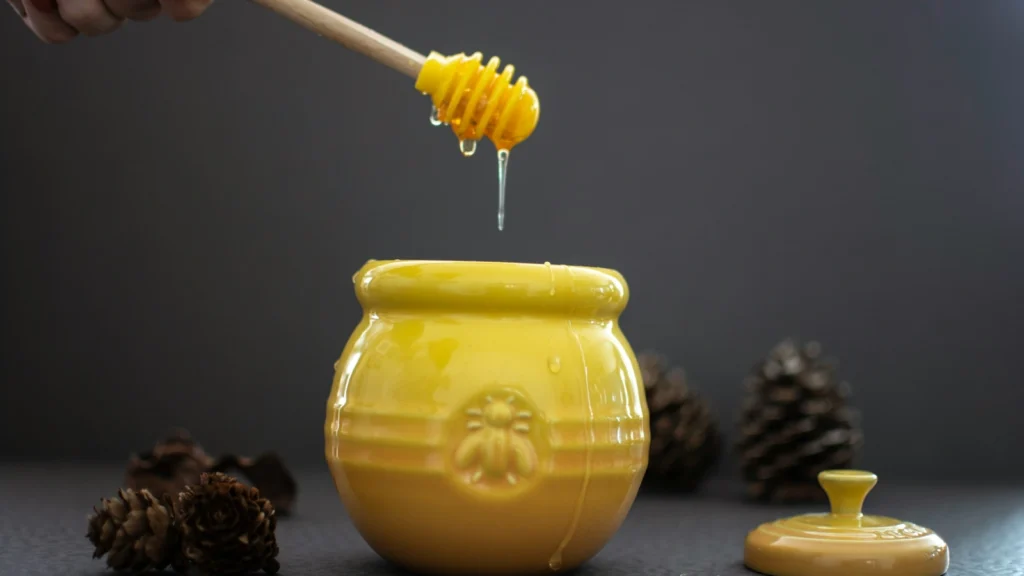
The word “creamed” in creamed honey describes its texture, rather than an ingredient of dairy cream. Plain creamed honey is made by controlling the crystallization of honey. That process does not require milk or cream. A specific commercial jar, however, needs its own ingredient and product-information check.
This distinction answers the question without turning a product name into a guarantee. Understanding the name is the first step; establishing what is in the jar you have is the next.
Why the honey looks creamy
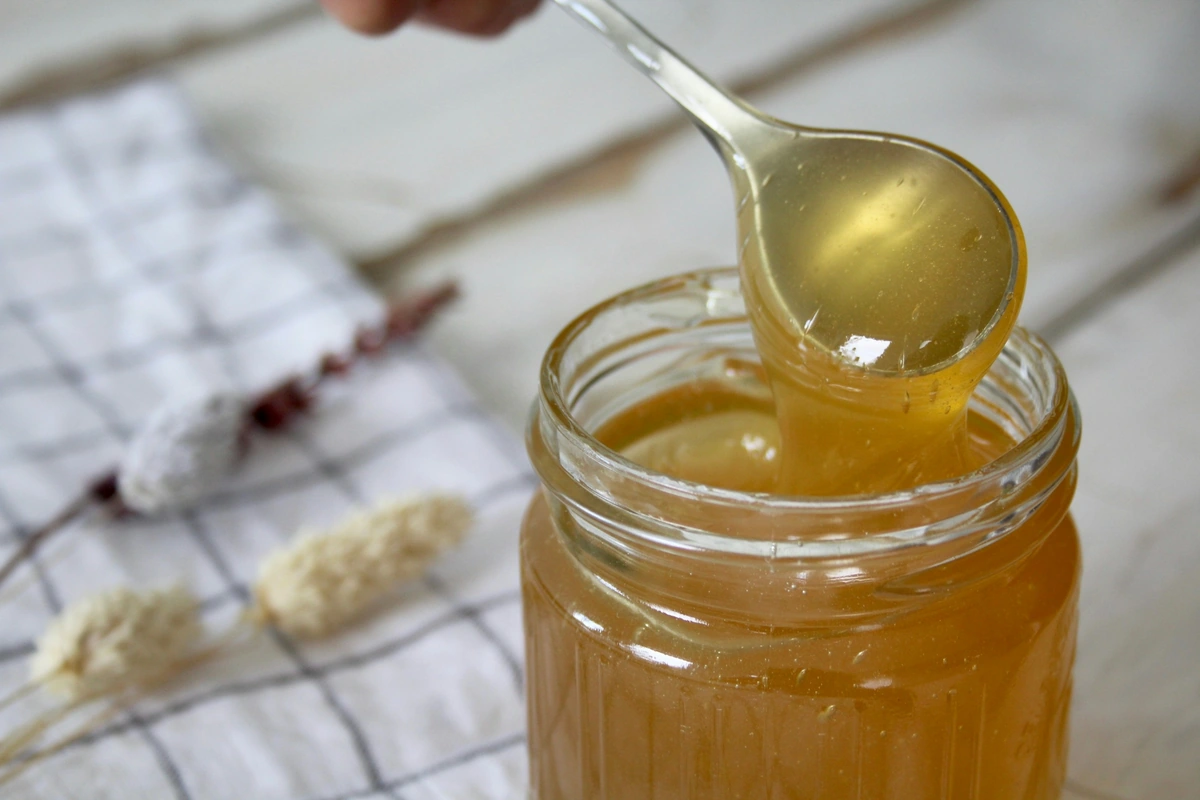
British Columbia’s apiculture bulletin describes creamed honey as honey crystallized under controlled conditions. The process guides the crystal structure toward a consistent creamy texture rather than leaving large crystals to develop unpredictably.
Betterbee’s beekeeping guidance explains the use of finely crystallized seed honey mixed with liquid honey. Its directions distinguish slow mixing from whipping air into the batch. The texture therefore has an explanation within honey itself.
You do not need to imagine cream being folded into the jar to understand its appearance. Equally, you cannot identify every ingredient from its pale color or smooth consistency.
Plain honey and flavored spreads are different checks
Some products are presented as plain creamed honey. Others are flavored products or honey-based spreads. The name on the front may emphasize the honey while the ingredients panel supplies the fuller picture.
For a producer example, Creamed Honey Company lists honey and vanilla powder in one vanilla product. That example shows why you should distinguish the texture from additions. It is not an ingredient list for other flavors or for Greek Bounty.
Read the actual product name and the complete ingredient information together. A photograph of honey, a word such as creamy or a familiar flavor name does not replace either of them. If the information is missing, leave the question open.
What the word creamed does not establish
Creamed does not provide a certification, a processing history or a complete manufacturing description. It cannot tell you every ingredient used in a flavored mixture. It also does not establish a product-specific dairy-free or allergy-free claim.
An explanation of the usual process is different from verifying one producer’s product. This article does not certify any jar as suitable for an allergy or a particular dietary requirement. Those questions belong to the current information supplied for the exact product.
Keep the distinction simple: the texture process can be understood in general; the jar’s composition and stated claims must be checked individually.
A focused information checklist
First, identify the exact product and flavor, rather than relying on a category name. Then read the ingredients and any product-specific statements supplied by the manufacturer. Check that you are reading information for the same variant and package.
Keep the label or a clear record of its nonsecret product details if you need to ask a question. A useful question names the jar and asks about the point that is unclear. Asking whether all creamed honey is the same will not resolve an uncertainty about one product.
This approach is useful even when your question is simply about taste. Plain honey and a flavored spread can have quite different uses at the table.
Choosing it for spreading
Once you understand the product you are choosing, the spreadable texture may be the reason you enjoy it. A small amount on toast is a different serving experience from a ribbon of liquid honey. Try the food plain first, then add a modest portion.
Our creamed honey vs liquid honey comparison covers that texture choice. It focuses on spreading, drizzling and stirring, rather than establishing the ingredients of individual jars.
Follow the storage directions on the pack and use a clean, dry utensil. Do not borrow a home-production method as if it were the storage advice for a finished commercial product.
The answer stays tied to the jar
Creamed honey gets its name from a controlled crystalline texture. Dairy cream is not required to create that form. But the word alone cannot establish a specific product’s ingredient profile or manufacturing claims.
Explore the Greek honey collection and read the details actually supplied for each product. Use the process explanation to understand the name, then use the product information to understand the jar.
Sources
Betterbee: Creamed Honey—What Is It?
British Columbia: Apiculture Bulletin 603
Creamed Honey Company: vanilla product ingredients
Continue exploring this ingredient
Browse the honey guide library, then explore Floral Origin and Geographical Origin on a Honey Label and Honey and Cheese Board: A Simple Pairing Plan. For a named producer and pack, see Kalymnos Thyme Honey — G. Skevofylakas, 450g.

Good things from our land, ideas for your table.
Explore the pantry journal →