


Begin the gathering
Set out a small bowl with bread while the meal comes together.
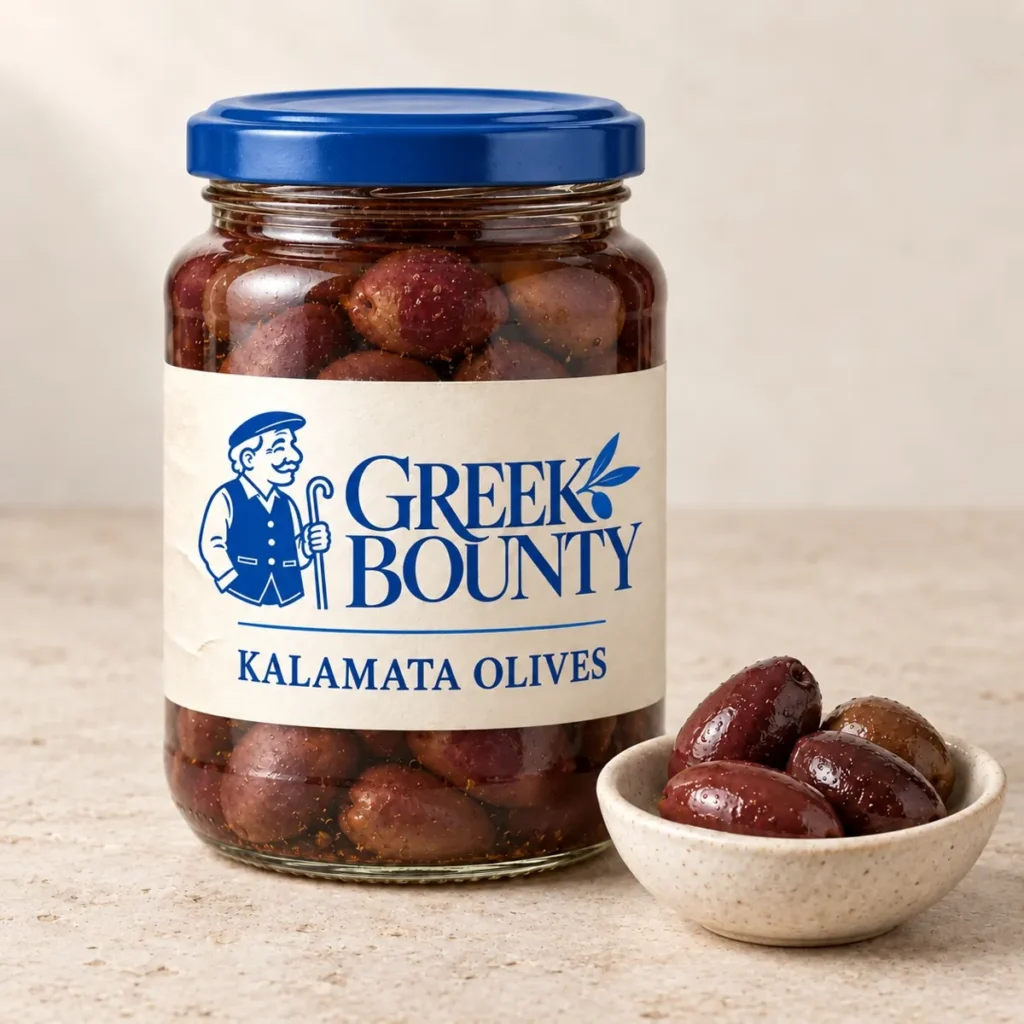
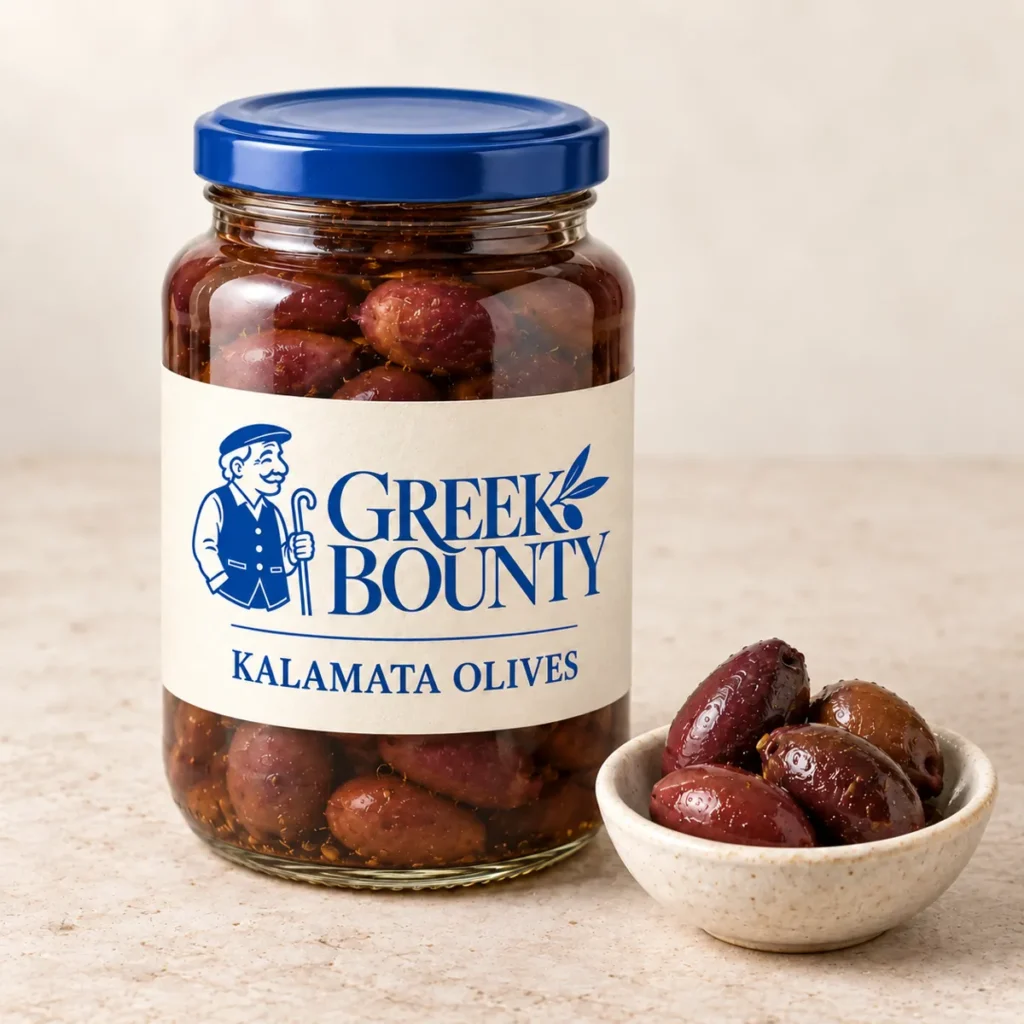
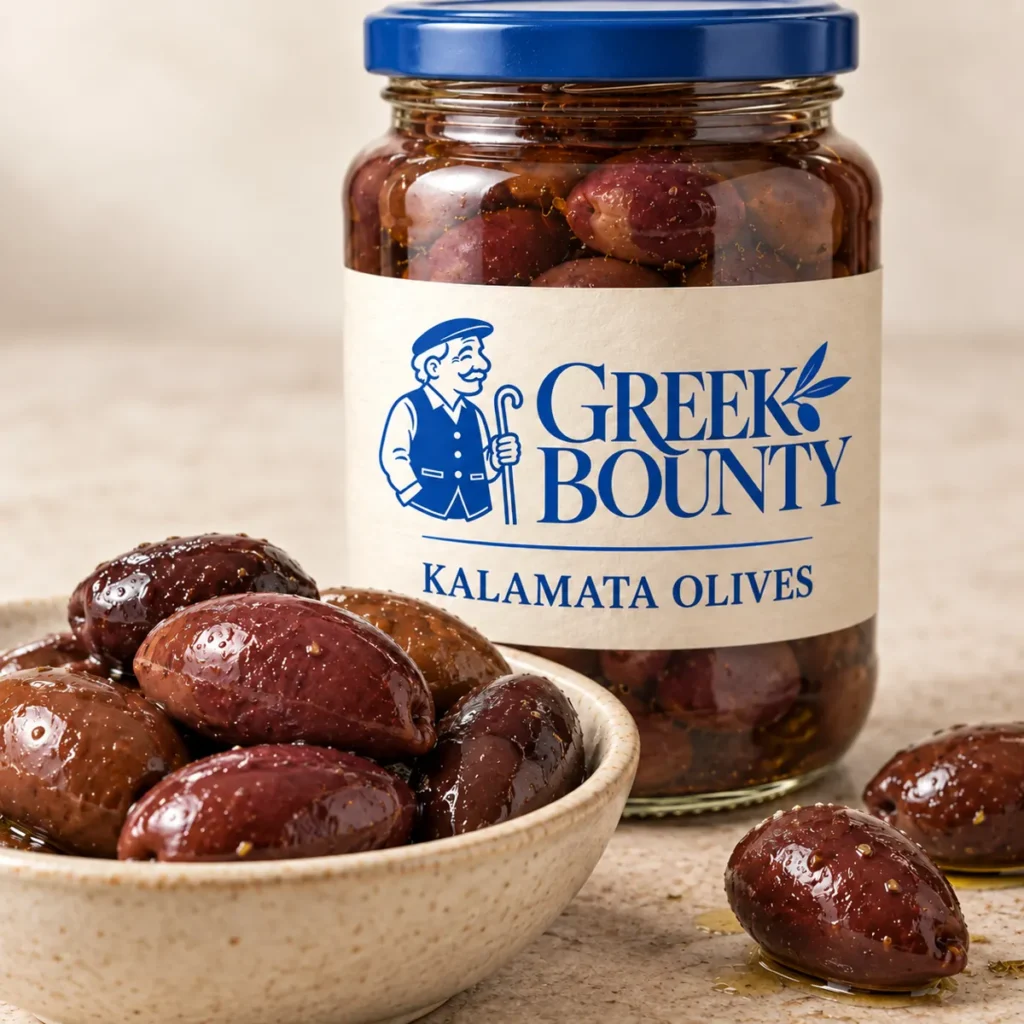
Packaging previews · Ingredient photographs follow.
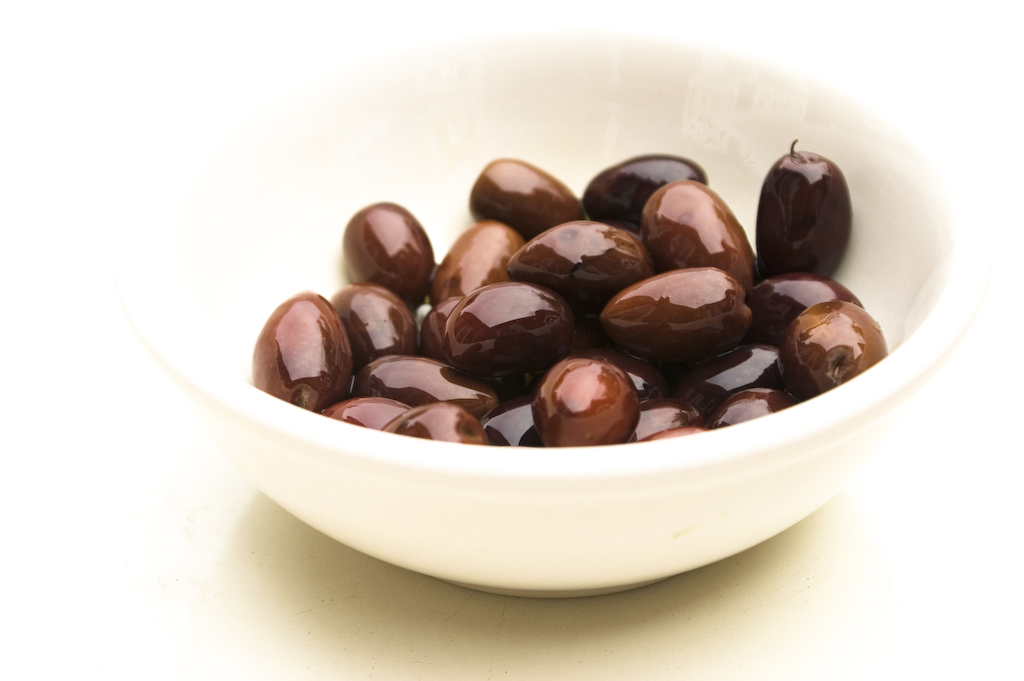
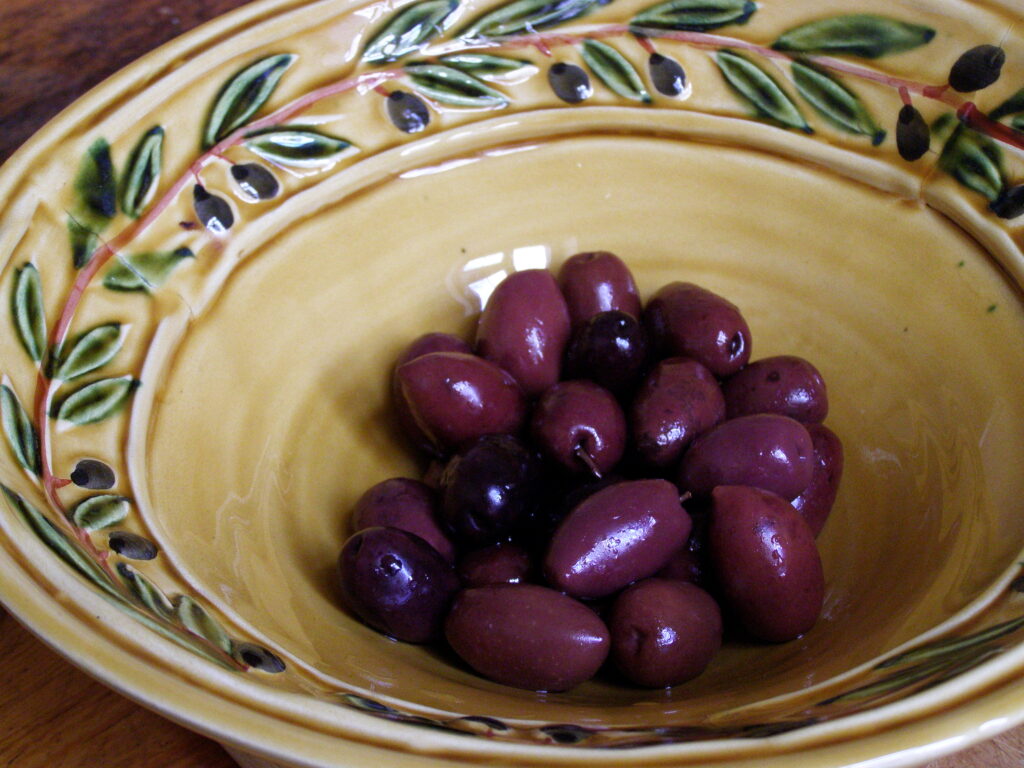
Image 4. Olives in bowl — Gphoto / Wikimedia Commons · CC BY-SA 3.0. Resized and cropped for display. Photo adaptations use the same license.
Image 5. “Kalamataolives.jpg”. Photo: Michael Fielitz / Wikimedia Commons · CC BY-SA 2.0. Resized; display may be cropped. Photo adaptations retain the same licence.
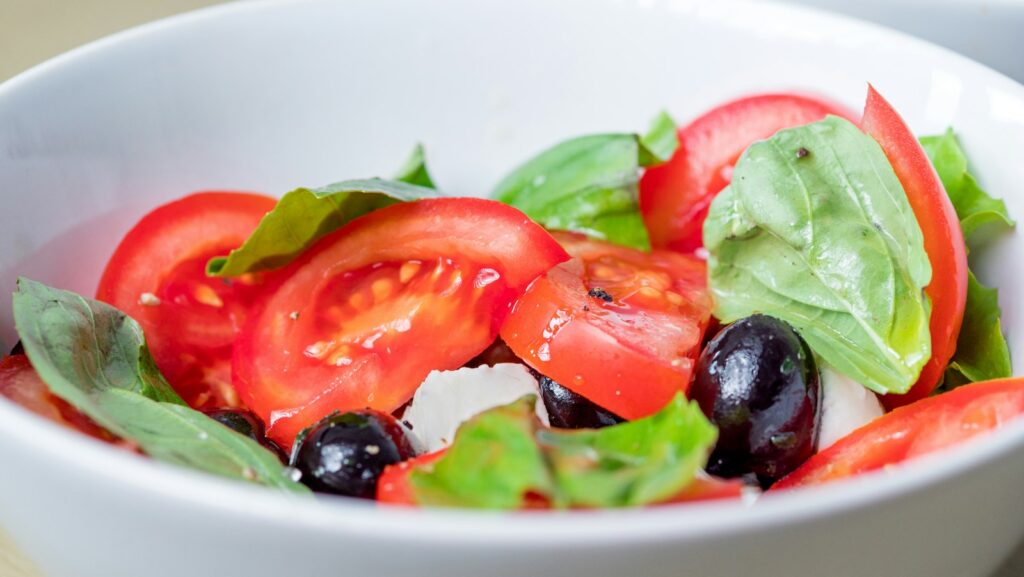
Image 6.
Reference photograph; not Greek Bounty product photography. Photo: Grooveland Designs · Unsplash License. Resized for display.
AI-generated packaging and serving illustrations, not photographs of the product. The pack label is the authority for product details.
A savory beginning to a generous Greek meal.
A bowl of olives changes the mood of a table. Put it between your guests, bring out bread and a little olive oil, and the meal begins before the first course arrives. Kalamata olives bring the kind of savory presence that makes simple food feel generous: a satisfying bite, a deep color and a flavor worth making room for.
The regional classic takes its character from the Kalamon variety. In Kalamata’s documented local tradition, the olives are almond-shaped, purple-black and fleshy, gathered ripe before curing in brine or vinegar. The olive-growing landscapes of Messinia and Mani give that story its setting; the preparation gives the finished olive its particular balance. Whole or pitted, lightly dressed or left to speak for itself, an olive can be the centerpiece of a small plate.
Serve a bowl with warm bread, ripe tomatoes and a light scatter of oregano. Fold chopped olives through roasted vegetables or cooked grains, where their savory character brings contrast to each forkful. Taste before adding extra salt, and check for stones or fragments as you serve. Our Kalamata olives are made for these moments: the first shared bowl, the easy supper, the pleasure of ingredients that belong together. Explore its olive oil and oregano companions, and set the table for something good.
US shipping $8, free on orders of $75+. UK delivery available. Shipping & Returns
The Kalamata table-olive tradition is recognizable through almond-shaped fruit, deep purple-black color and a fleshy bite. The municipal account describes ripe olives followed by brine or vinegar curing. That creates a useful contrast with the large green table olives associated with Halkidiki, though the final texture and flavor depend on the individual preparation. When comparing jars or pouches, look beyond the photograph: whole or pitted format, seasoning and curing ingredients all matter. Choose olives for the plate you have in mind, from a bowl shared with bread to chopped pieces folded through a warm grain dish.
Find its perfect pantry pairing →Set out a small bowl with bread while the meal comes together.
Bring olives to a plate of fresh tomatoes and cucumber.
Fold chopped olives through cooked grains or roasted vegetables.
Compare the final whole or pitted format and curing ingredients.
Add chopped olives to a suitable bread recipe.
Chop olives with herbs and oil for a simple serving accompaniment.
An olive’s table character develops after it leaves the tree.
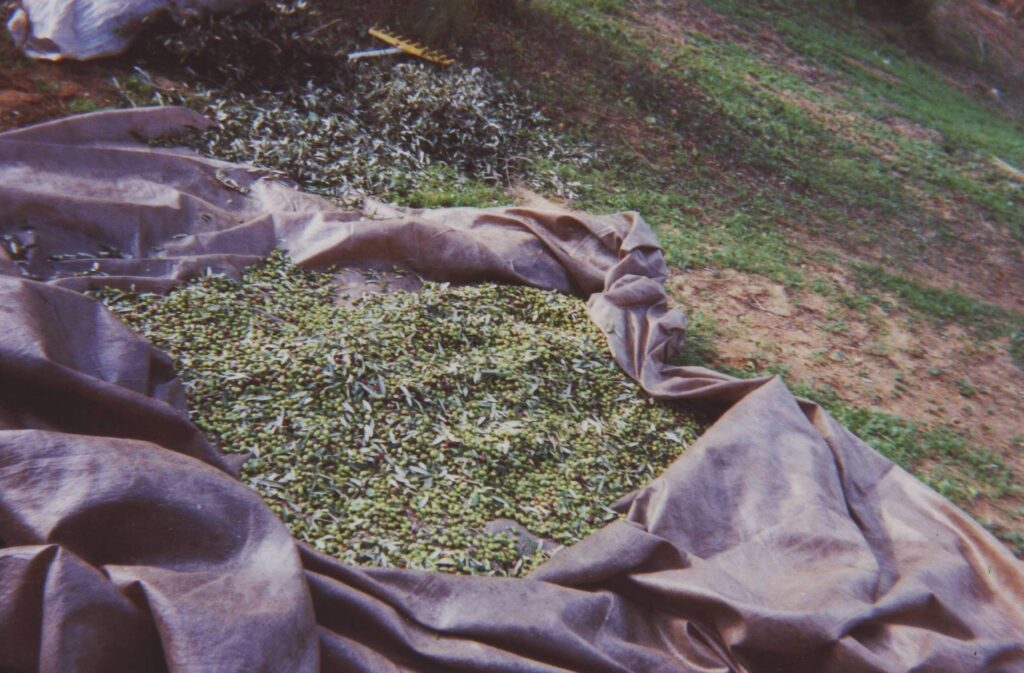
For natural black-olive preparations, the fruit is gathered near full ripeness. Sorting and washing prepare it for the next stage, with texture and condition receiving close attention.
Brine fermentation is a traditional route for reducing bitterness. The process is managed over time rather than rushed into a ready-to-eat flavor; exact methods differ by producer.
The Kalamata variety is commonly prepared in brine, sometimes with vinegar. Slitting, pitting, or seasoning can create further variations in the final presentation.
Fruit variety is only part of the experience. The cure and final seasoning also shape the savory bite.
Most olives need curing or other processing to reduce their natural bitterness. A table olive is a prepared food.
Brine is part of many cures; oil may be added in a final preparation. Read the ingredients to understand the actual packing medium.
From the first taste to the last thoughtful touch.
Reference photograph; not Greek Bounty product photography. Photo: Grooveland Designs · Unsplash License. Resized for display.
Olives bring a satisfying savory note to a meal, but preparation matters when you are watching sodium. Olives preserved in brine or salt can contribute to your daily intake; compare the product’s sodium amount and the portion you actually eat. NIH’s DASH guidance highlights salty olives among foods to limit when reducing sodium. Enjoy them as an accent among vegetables, beans, and other foods, rather than assuming a Greek origin makes every preparation heart-friendly. Individual products need their own ingredient and nutrition information.
Simple ideas. Your own delicious ritual.
AI-generated ingredient and serving illustrations; images are not photographs of the recipes below.
Serve a small bowl with a little oregano if desired.
Add olives to fresh vegetables and dress to taste.
Stir chopped olives into cooked grains with herbs and olive oil.

Inspired by the olive-growing landscapes of Laconia and Mani, and the rich pantry traditions of Crete. Greek Bounty is taking shape around useful ingredients and the pleasure of sharing good food.
Read how the Greek Bounty pantry is taking shape, and explore our ingredient guides.
Get to know Greek Bounty →These notes describe the ingredient category. See each product page and its pack label for ingredients, allergens, pack size and storage.
Discover complementary collections.
 FOR YOUR PANTRY
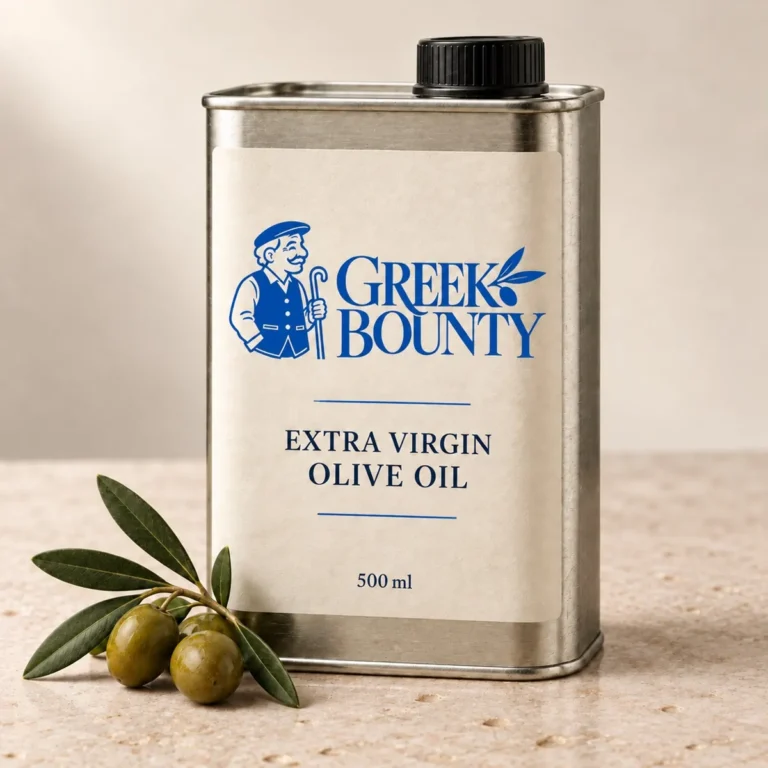
Packaging preview.
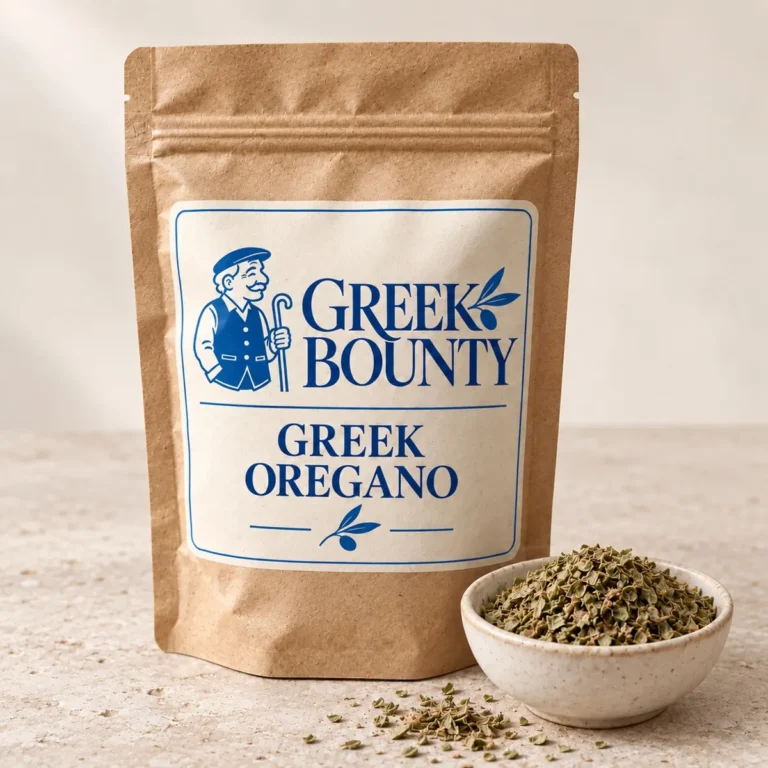 FOR YOUR PANTRY
Packaging preview.
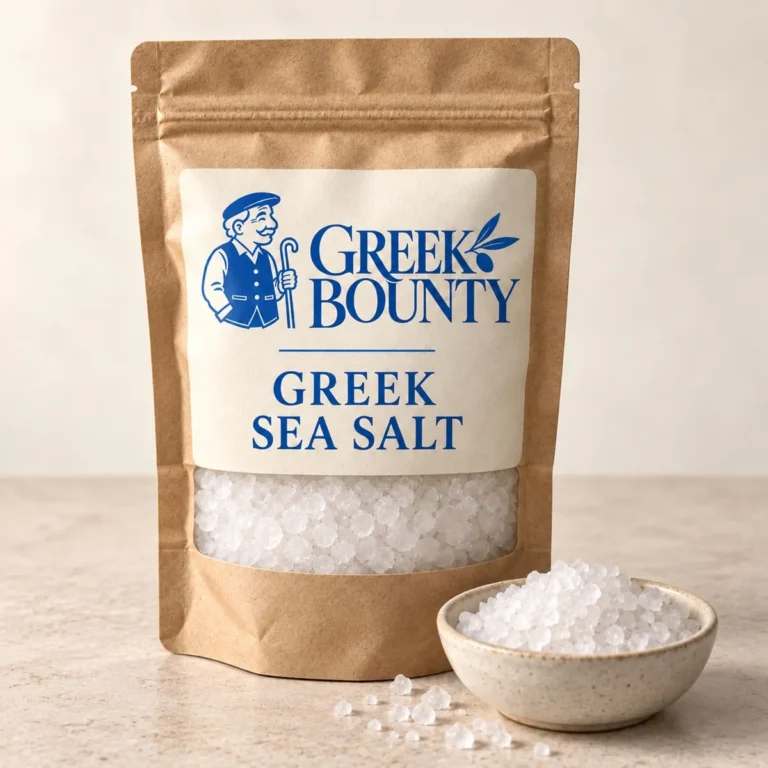 FOR YOUR PANTRY
Packaging preview.
Clear answers, without the guesswork.
Our Kalamata olives come in a 370 g glass jar. The jar label shows whether the olives are whole or pitted; always check for stones or fragments.
Kalamata names an olive variety. A specific origin or protected-origin designation is not stated, so we do not infer one from the name.
Follow the storage directions on the jar label.
Prices and US & UK shipping are live. Card checkout is being connected — email info@olympianllc.com to place an order.
US standard shipping is $8.00, and free on orders of $75 or more. UK delivery is $9.32, and free on orders of $89.90 or more.
Practical answers for choosing, preparing and enjoying it.
Kalamata olives vs black olives →
Make a small batch of olive tapenade →
Green olives vs black olives →
Greek olive types: Halkidiki, Kalamata and more →
ACROSS THE PANTRY Build a Greek food gift basket · A simple Greek pantry mezze · Greek pantry recipes · Greek pantry for cafés and retailers · Ordering and shipping FAQ
Original ingredient notes by Greek Bounty · Updated October 3, 2026. General serving ideas, not supplier-specific instructions.
