
Olive Brine: What It Is and 8 Ways to Use It in the Kitchen


Olive brine (sometimes called olive juice) is the salty liquid in a jar of olives. Most people pour it down the sink, but it is a ready-made seasoning: salty, tangy and full of olive flavour. Here is what it is, how to keep it, and the ways Greek and other cooks use it.
What is olive brine?
Brine is simply salt dissolved in water. For olives, it does two jobs. First, many olives are cured in brine: the International Olive Council (IOC) describes Greek-style black olives being fermented in an 8–10% salt brine, which slowly draws out their natural bitterness, and Spanish-style green olives being fermented in brine of around 5% salt after a lye treatment. Second, olives are packed in fresh brine to keep them. The IOC notes that Greek-style black olives are typically packed in an 8% brine, sometimes with a little vinegar.
So the liquid in your jar is mainly water, salt and sometimes vinegar, flavoured by the olives themselves and by any herbs or garlic in the jar. Check the ingredients list on the label to see exactly what yours contains. Dry-salted olives, by contrast, come without brine at all.
Is olive brine the same as olive oil?
No. Some jars of olives have a thin layer of oil on top of the brine, but the brine itself is water-based. If you want olive oil, use a proper Greek extra virgin olive oil.
8 ways to use olive brine
- In salad dressings. Replace some of the vinegar or salt in a Greek salad dressing or lemon vinaigrette with a tablespoon of brine.
- In marinades. A splash of brine adds salt and tang to a Greek chicken marinade. Reduce the other salt accordingly.
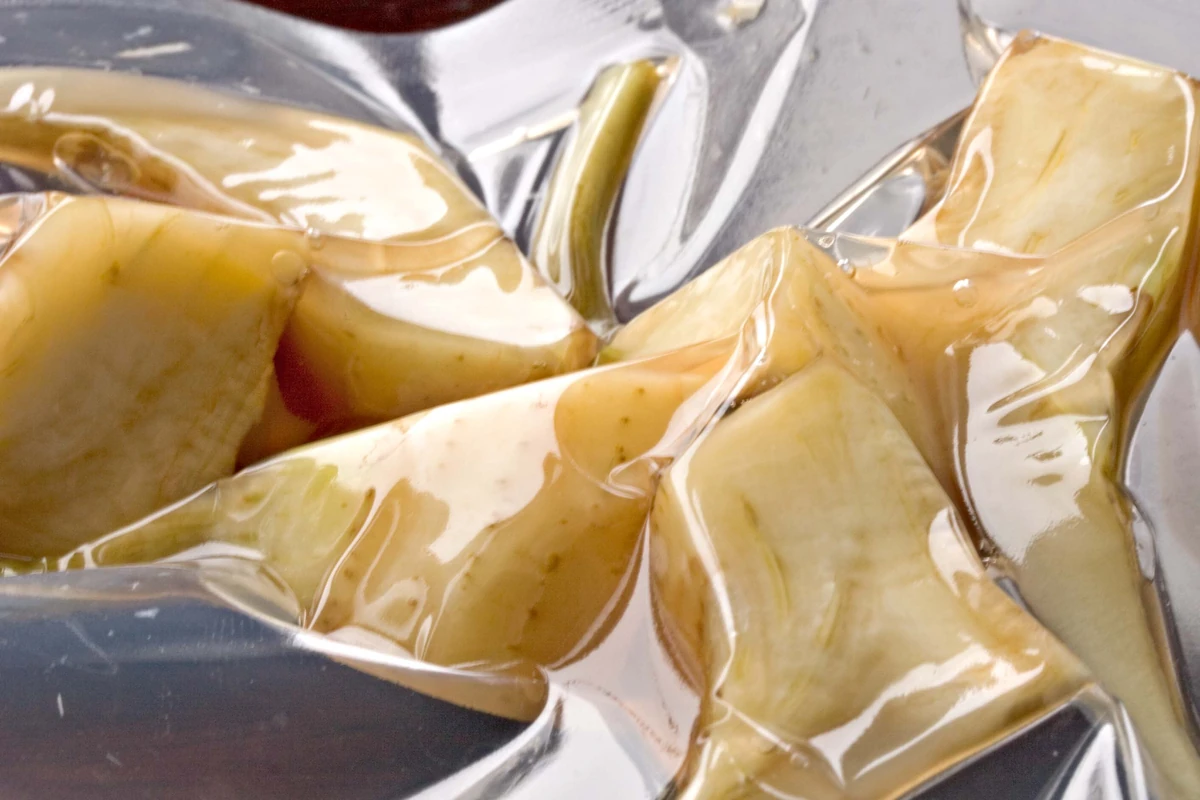
- For poaching vegetables. Some chefs poach vegetables such as artichokes in diluted olive brine to season them all the way through.
- In dips and spreads. A teaspoon loosens and seasons hummus, olive tapenade or melitzanosalata.
- On potatoes. Toss boiled or roasted potatoes with olive oil, a little brine and Greek oregano.
- In tomato sauces and stews. Use it at the end, like a pinch of salt, for a briny lift.
- In potato or pasta salads. Mix a spoonful into the dressing of a Greek pasta salad or orzo salad.
- For drinks. Olive brine is also the ingredient that gives a “dirty” martini its name. That is a cocktail, so it is for adults only, and we don’t cover alcohol recipes here.
Because brine is salty, add it a little at a time and taste. Use it instead of salt, not on top of it.
How to store olive brine
- Keep the olives covered with their brine; olives left exposed to air dry out and can spoil faster.
- Follow the storage directions on the jar once it is open. Many jars say to refrigerate after opening.
- Always use a clean spoon or fork to take olives or brine from the jar.
- If the brine smells off, has unusual mould on the surface or the lid is bulging, throw the jar away.
- Don’t use leftover olive brine to store fresh, uncooked vegetables at room temperature: it is not a tested preserving method.
If you want to keep brine after the olives are gone, pour it into a clean jar, refrigerate it and use it within a week or two for the best flavour.
How salty is olive brine?
Very. Brine is designed to preserve, and the IOC figures above show packing brines of several percent salt. For context, the US FDA notes that the Daily Value for sodium is less than 2,300 mg a day, about one teaspoon of table salt. Treat brine like any other salty seasoning, and check the Nutrition Facts on the jar.
Related reading
Learn how olives are picked and cured in green olives vs black olives, meet the main Greek olive types, or flavour your own with marinated olives. Our Kalamata olives are in the Kalamata olive collection.
Sources
- International Olive Council: Table olives (harvest stages and curing methods)
- US FDA: Sodium in your diet
Olive brine: frequently asked questions
What is olive brine made of?
Mainly water and salt, sometimes with vinegar, flavoured by the olives and any herbs packed with them. The jar’s label lists the exact ingredients.
Is olive juice the same as olive brine?
Yes. “Olive juice” is a common name for the brine in a jar of olives; it is not juice pressed from the fruit.
Can I reuse olive brine?
You can use it as a seasoning in dressings, marinades and dips. Keep it refrigerated in a clean jar, and don’t use it to preserve fresh vegetables at room temperature.
How long does olive brine keep?
Keep the olives covered in brine and follow the jar’s directions after opening. Leftover brine stored separately is best used within a week or two, refrigerated.

Good things from our land, ideas for your table.
Explore the pantry journal →