
Kalamata Olive Tapenade Recipe: A Small, Simple Batch
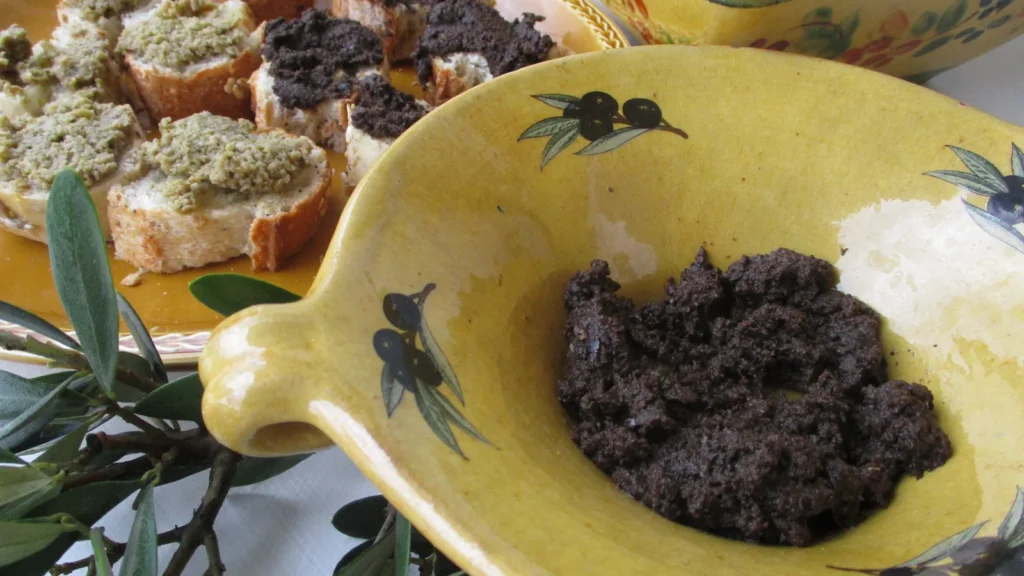

A useful Kalamata olive tapenade recipe gives you a clear starting batch, then leaves you room to decide how you want to serve it. The version below uses olives, capers, parsley, lemon, garlic and olive oil. Its quantities and core method come from the University of Washington Medical Center’s published recipe; the practical notes are our editorial guidance.
This is an attributed recipe, not one developed or physically tested in the GreekBounty kitchen. We use the source for cooking information only and make no medical or nutritional claim about the finished dish.
Ingredients for the source’s four-serving batch
- 2 peeled garlic cloves
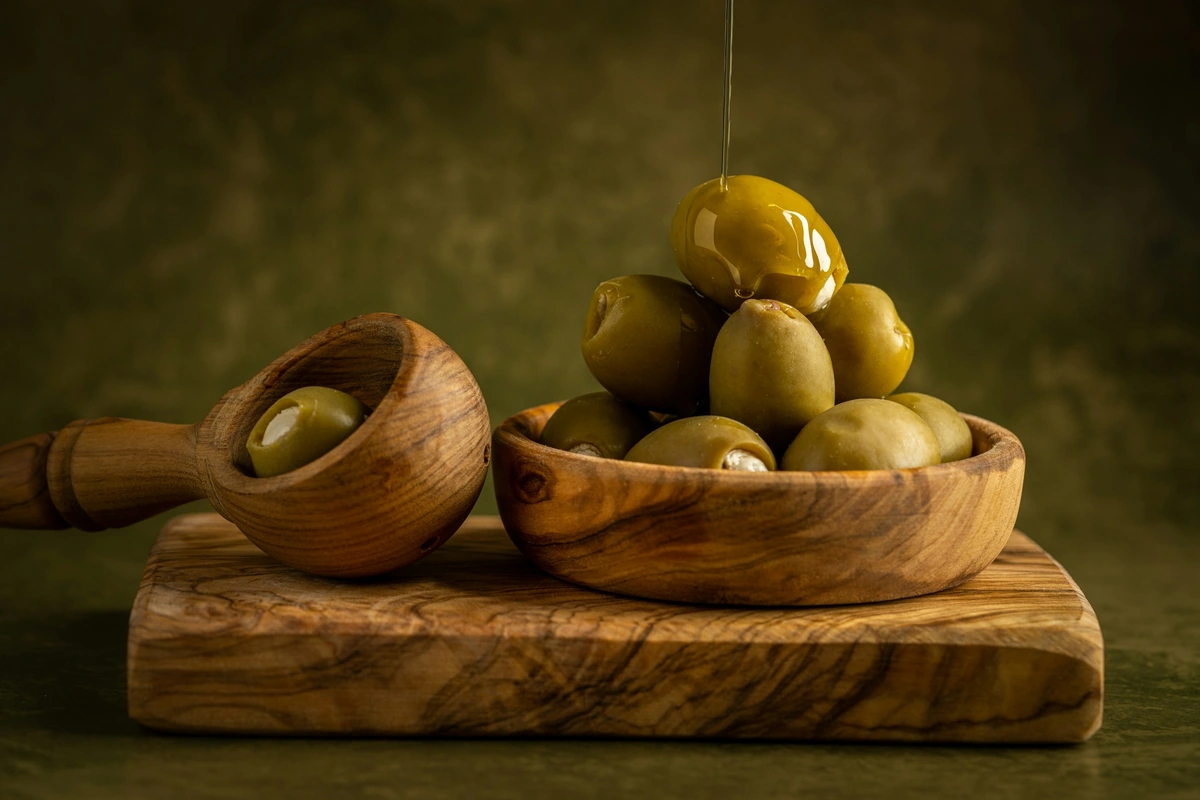
- 1 cup pitted Kalamata olives
- 2 tablespoons capers
- 2 tablespoons chopped fresh parsley
- 2 tablespoons lemon juice
- 2 tablespoons olive oil
- Salt and pepper to taste
These measures follow the UWMC Kalamata Olive Tapenade recipe, PDF page 70. Its listed serving count describes that recipe; how many appetizers you prepare also depends on the bread or other accompaniment and the amount you put on each piece.
The documented method
Pulse the garlic in a blender or food processor to mince it. Add the olives, capers, parsley, lemon juice and oil, then process until finely chopped. Taste and season with salt and pepper as needed. That is the source recipe’s basic sequence, paraphrased here.
Use your equipment according to its instructions. Before checking or moving ingredients around the bowl, stop the machine and handle it as the manufacturer directs. Choose a batch that the appliance is designed to process rather than assuming the same small amount works in every bowl.
Check the olives before processing
The ingredient list specifies pitted Kalamata olives. Confirm the form on the label and inspect the fruit before adding it to the appliance. If you are starting with whole olives, remove the pits first; do not rely on processing to deal with them.
Read the packing ingredients as well. A marinade or added herb is another flavor in your batch, so note it when you decide whether the result suits you. If your olives came in liquid, keep track of how you measured the fruit; an unclear measure makes the next batch harder to repeat. To season olives yourself, try our marinated olives; for the liquid in the jar, see olive brine.
Choose a texture you can serve
The source’s endpoint is finely chopped. Stop and inspect the texture before continuing to process merely because the machine is running. Picture the serving surface: a spoonable bowl and a thin layer on a small piece of toast ask you to handle the spread differently.
For your first batch, preserve the documented quantities and sequence. After tasting, note whether you would prefer a different texture next time. That is more useful than changing the oil, lemon, herbs and processing all at once and then trying to work out what made the difference.
Taste with the accompaniment
Try a little on the bread or vegetable you intend to offer before adjusting the whole bowl. If the accompaniment already includes cheese or another strongly seasoned ingredient, taste a complete bite. You may want the spread to be a small accent rather than the largest part of the plate.
For a simple serving, place a small bowl beside plain bread and let guests choose their own amount. For prepared bites, start with a modest layer and check that each piece is comfortable to pick up. These are serving ideas, not a tested yield promise.
Keep recipe changes clear
If you decide to change an ingredient, write the alteration beside the source quantities. Do not describe the result as the unchanged published recipe. Check the actual ingredients you use rather than attaching a dietary label to every dish called tapenade.
This guide does not establish a storage duration. Follow appropriate ingredient and recipe guidance for handling any leftovers; do not treat a homemade mixture as having the same unopened storage conditions as a commercial jar.
Explore our Kalamata olives collection for the central ingredient and our Greek olive oil collection for another pantry component. If the olive names are unfamiliar, our Kalamata versus black olives guide explains the distinction. These links do not establish stock or recipe suitability for a specific product.
Recipe source
University of Washington Medical Center: Kalamata Olive Tapenade, published recipe dated March 2013. Quantities and core method are attributed; accompanying workflow and serving suggestions are original editorial notes.
Continue exploring this ingredient
Explore our Kalamata olives collection and the Greek olive oil collection for the two main tapenade ingredients. Browse the kalamata olives guide library, then explore Olive Jar Weight: Buying Enough for a Recipe and How to Build a Simple Greek Pantry Mezze.

Good things from our land, ideas for your table.
Explore the pantry journal →