
Are Olives Fruit? What Olives Are, and Why You Can’t Eat Them Raw
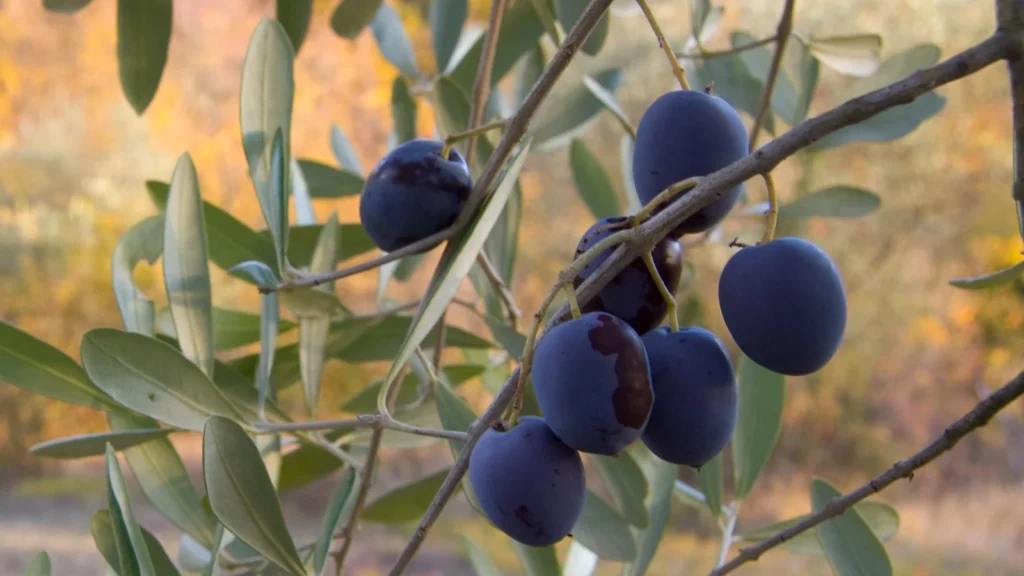

Yes, olives are fruit. Botanically, an olive is a drupe: a fleshy fruit with a single hard stone, like a plum, cherry or peach. In the kitchen they’re treated as a savoury food, because, unlike most fruit, they are bitter on the tree and have to be cured before you can eat them.
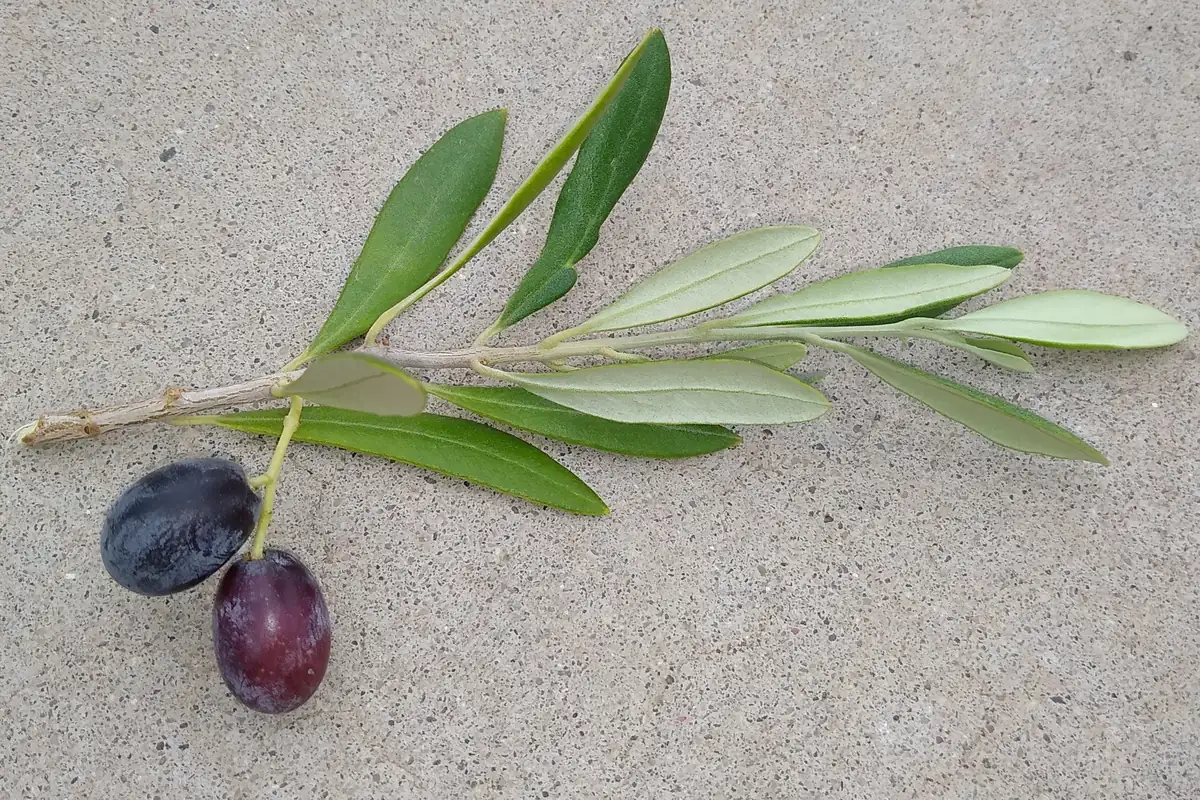
Why an olive is a fruit
A fruit is the part of a flowering plant that develops from the flower and holds the seeds. Olive trees (Olea europaea) flower in late spring. Some of the small white flowers are pollinated by the wind and develop into olives. Encyclopaedia Britannica classes the olive fruit botanically as a drupe, “similar to the peach or plum”, with one or two seeds inside the stone.
| Fruit | Type | Stone? |
|---|---|---|
| Olive | Drupe | Yes |
| Plum, cherry, peach | Drupe | Yes |
| Tomato | Berry | No (many small seeds) |
| Avocado | Berry, botanically | Yes (one large seed) |
Fruit or vegetable in the kitchen?
Cooks use “vegetable” for savoury plant foods, so olives are often grouped with vegetables in recipes, alongside tomatoes, cucumbers and peppers, which are also fruit in the botanical sense. There’s no contradiction: botany describes how a plant grows, cooking describes how we use it. Olives appear in salads, dips and stews, and in a Greek salad.
Why you can’t eat olives straight from the tree
Fresh olives are extremely bitter. Britannica explains that the bitterness comes from a glucoside, which can be neutralised with a dilute alkali such as lye, while salt also removes some of it. That compound is oleuropein. To make them edible, olives are cured. Common methods include:
- Brine curing: soaking in salty water for weeks or months, often with a fermentation.
- Lye treatment followed by rinsing and brining, common in some industrial styles.
- Dry salting: packing in salt, which gives wrinkled, intensely flavoured olives.
- Water curing: soaking in water changed daily, then brining.
Kalamata olives are typically cured in brine and often finished with red wine vinegar, which helps give them their fruity, tangy flavour. For ways to use the liquid in the jar, see olive brine.
Green vs black olives
Green and black olives are usually the same fruit picked at different stages of ripeness. Olives start green, then turn colour, through purple and violet, and finish black when fully ripe. The International Olive Council’s trade standard for table olives groups them in just this way: green olives, olives turning colour, and black olives. Some mass-market black olives are green olives darkened by oxidation during processing, which is why they taste milder. Kalamata olives are picked when they’re dark purple. Our green olives vs black olives guide explains the difference in detail.
Olives and olive oil
Most of the world’s olives are pressed for oil, not eaten as table olives. Britannica notes that olives reach their highest oil content, about 20–30% of their fresh weight, six to eight months after flowering. Different varieties are grown for each use. Greece’s Koroneiki is a small oil olive; read Koroneiki olive oil and choosing Greek olive oil.
How to store olives
Cured olives keep well, but once you’ve opened a jar, follow the storage directions on the label; that usually means keeping the olives in the fridge, covered by their brine. Use a clean spoon or fork to take them out, so you don’t add crumbs or bacteria to the jar. If the olives develop an off smell, mould or slime, throw them away.
Are olives good for you?
Olives are a fruit, but they aren’t sweet: they’re high in fat and, because of the cure, high in salt. For calories, fat and sodium per serving, see Kalamata olives nutrition.
Our Kalamata olives come in a 370 g glass jar; the label shows whether they are whole or pitted. Compare Kalamata vs black olives, or browse the Kalamata olive collection.
Sources
- Encyclopaedia Britannica: Olive (Olea europaea)
- International Olive Council: Trade standard applying to table olives (COI/OT/NC No 1)
Are olives fruit: frequently asked questions
Is an olive a fruit or a vegetable?
Botanically, an olive is a fruit: a drupe with a single stone, like a plum or cherry. In cooking, it’s used as a savoury food, much like a vegetable.
What kind of fruit is an olive?
A drupe, or stone fruit, from the olive tree, Olea europaea.
Can you eat olives raw from the tree?
Not really. Fresh olives are extremely bitter and must be cured, for example in brine or salt, before they are pleasant to eat.
Are green and black olives from different trees?
Usually not. Most green and black olives are the same fruit picked at different stages of ripeness.

Good things from our land, ideas for your table.
Explore the pantry journal →