
Kalamata vs Black Olives: Taste, Texture and Uses
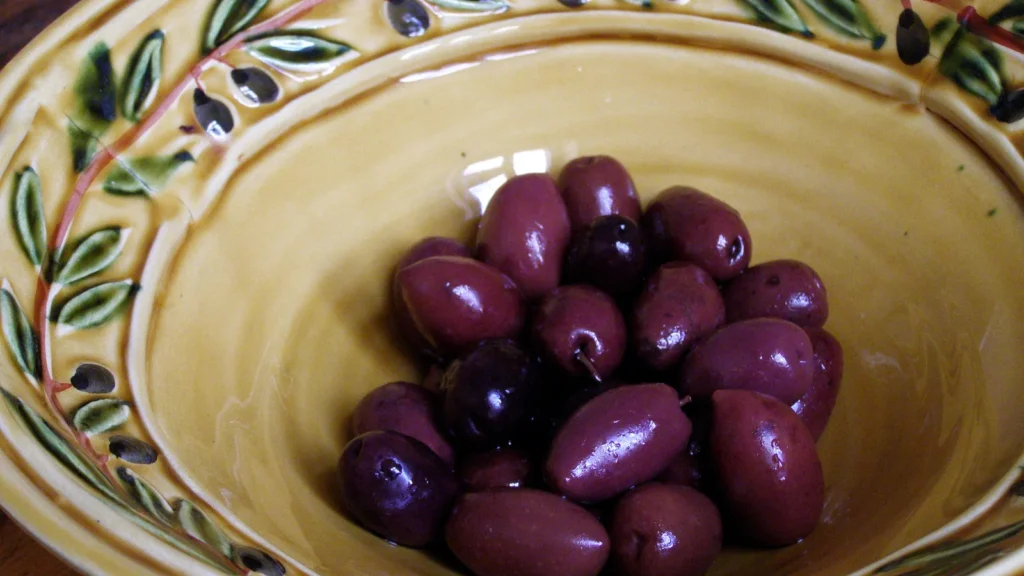

Can you use black olives instead of Kalamata? In a flexible salad, pizza or appetizer, you can try the olives you have and adjust after tasting. If Kalamata olives are the main ingredient, that named variety is the closest match. Kalamata and black olives are not two mutually exclusive types: Kalamata names a variety, while “black olives” can describe several varieties and preparations.
Also in this guide: How to Cut Kalamata Olives for Flatbread and Even Topping Coverage · How to Drain Kalamata Olives for a Salad Without Guessing the Dressing · Olive Jar Weight: Buying Enough for a Recipe · Olives vs Capers: Different Ingredients in the Same Recipe · Pitted vs Whole Kalamata Olives: Choose for the Way You Serve · Serving Whole Olives at a Gathering: Bowls, Stones and Clear Labels
The practical choice depends on the actual jar: its ingredients, curing, form and flavor. Choose the olive that works with the rest of your dish, then check whether you need less added salt or acidity.
Kalamata and black olives at a glance
| Question | Kalamata olives | Black olives |
|---|---|---|
| What does the name describe? | A particular olive variety. | A broad color/category description, not one uniform variety. |
| Will every jar taste alike? | No. Brine, vinegar, herbs and other preparation details matter. | No. Variety and preparation can both differ. |
| How should you choose for a dish? | Taste with the other ingredients and check whole, pitted or sliced form. | Use the same checks; color alone is not a flavor guide. |
| What should you check about origin? | Read the stated origin and any certification separately from the name. | Read the stated origin; the color description does not establish it. |
A variety and a broad category
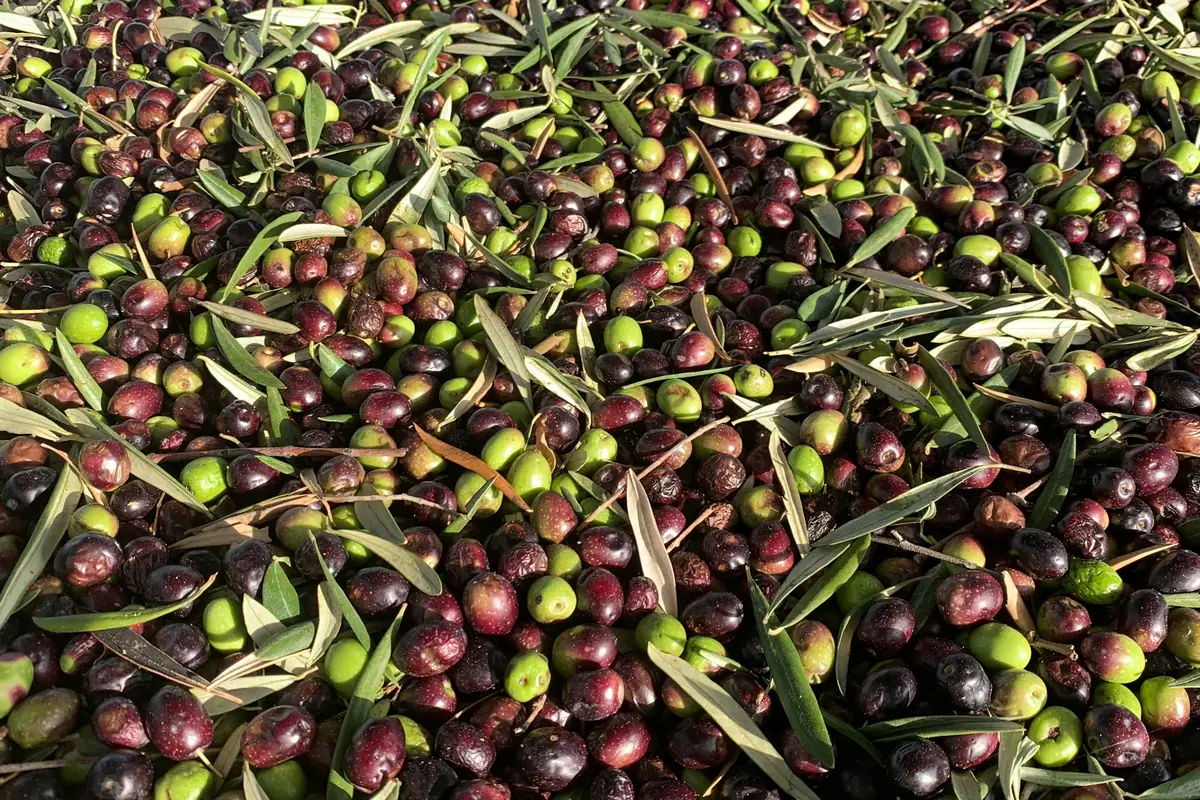
The International Olive Council describes Kalamata as an elongated variety commonly prepared in brine; the fruit may be slit to take up marinades. Its table-olive standard distinguishes ripeness categories from preparations such as natural olives in brine and olives darkened by oxidation. That distinction explains why the word “black” alone cannot tell you the whole story. (Botanically, every olive is a fruit, a drupe; see are olives a fruit?) For other Greek varieties, such as Halkidiki and Konservolia, see our guide to Greek olive types.
A familiar canned black olive is one possible comparison, rather than the definition of every black olive. Other dark olives may have a different cultivar, curing method or seasoning. Avoid assuming that all non-Kalamata olives taste the same, or that all dark color results from the same process. Why some olives are green and others black is explained in green olives vs black olives.
Why preparation matters to flavor
Olives normally need processing to reduce their natural bitterness. The International Olive Council describes a range of curing and preservation methods. A jar can also contain vinegar, herbs or other ingredients, so the flavor you encounter is more than a cultivar name.
Use descriptions such as “rich,” “tangy” or “mild” as clues to investigate, rather than promises that apply to every pack. Taste one olive on its own, then one with a bite of the food you plan to serve. Ask whether salt, acidity or olive flavor is taking the lead. Those observations are more useful than deciding that one category is universally better.
Read these details before choosing
- Variety: does the product actually identify the olive, or only describe it as black?
- Ingredients: look for brine, vinegar, oil, herbs and other additions that could affect your dish.
- Form: whole, pitted and sliced olives require different amounts of preparation.
- Origin: read the stated origin separately from the variety name. Do not infer a specific certification from the word Kalamata.
- Nutrition panel: compare like serving sizes if sodium or another listed value matters to your selection. Our Kalamata olives nutrition guide compares calories and sodium across US labels.
- Storage instructions: check what the producer asks you to do after opening.
For a party, the form may matter as much as the taste. Pitted olives can be convenient in a chopped salad; whole olives need a clear place for discarded pits. Even when a pack is labeled pitted, check the pieces you add to food where an unexpected pit would be difficult to notice.
Choosing olives for a salad, pizza or appetizer
For a salad: start with a few olives alongside the other ingredients. If you already have salty cheese or an acidic dressing, taste that combination before adding extra salt or vinegar. You can use smaller pieces to distribute the olive flavor rather than increasing the total amount.
For pizza or flatbread: consider how you want the topping distributed. Thin slices give a different eating experience from larger pieces. Try the topping with your sauce and cheese before assembling the whole batch. Choose the olive you enjoy in that combination instead of relying on a color-based rule.
For an appetizer plate: keep different olives separate so guests can choose and compare them. Add bread or another plain accompaniment. If you offer whole olives, provide a small empty bowl and make the pits easy to manage.
Can you substitute black olives for Kalamata?
You can try a substitution in a flexible dish, but treat it as a change to taste, texture and presentation. Start with less than the full amount if you do not know the replacement well, then taste. If Kalamata olives are the central feature of a recipe, choose that variety for the closest match to the intended ingredient.
A useful pantry note is specific: “This jar worked well with tomato and feta,” rather than “Black olives are mild.” Record the product and the dish. That helps your next purchase without turning one tasting into a rule about an entire category.
How to Cut Kalamata Olives for Flatbread and Even Topping Coverage
Use halved Kalamata olives when you want clear, distinct pieces on flatbread. Slice or chop them when you want smaller bites distributed across more of the surface. Prepare the olives before the dough is ready for its toppings, using your chosen flatbread recipe for quantities and baking.
Drain and remove stones first
Drain the portion you need so loose packing liquid does not travel onto the dough unintentionally. Remove stones from whole olives and check pitted olives as you work. The International Olive Council standard distinguishes whole, pitted, sliced and chopped olive formats. Buying the format closest to your task can reduce preparation.
Halves make placement easy
Halve prepared olives lengthways on a stable board. You can position the pieces around the flatbread before adding the remaining toppings, paying attention to where it will be divided. Spread them across the intended portions rather than crowding the centre.
Rings or chopped pieces spread through the topping
For rings, cut across the prepared olive. If its shape makes neat rings awkward, small irregular pieces work well for distribution. Stop before the flesh turns into a paste unless a spread is the intention. Our tapenade recipe covers that different preparation.
Coordinate with the sauce and cheese
Olives bring their own seasoning and moisture. Consider the cheese and sauce before adding more salt, and follow the recipe’s assembly order. A few larger pieces and many finely chopped pieces create different bites even when the amount of olive is the same. Read the Kalamata olive comparison for ingredient choice, and explore the Kalamata olives collection.
How to Drain Kalamata Olives for a Salad Without Guessing the Dressing
Drain Kalamata olives before adding them to salad when you want control over the dressing. Lift out the portion you need, allow loose packing liquid to run away, and add the prepared olives to the bowl. Rinsing is a separate choice; it is not a compulsory part of draining.
Check the packing liquid
The International Olive Council describes different table-olive preparations. Your own ingredient list tells you whether the olives are packed with brine, vinegar, oil or added seasoning. That liquid may bring salt, acid or oil to the salad, so decide whether you want any of it rather than pouring it in by habit.
Drain a serving, then prepare it
Use a slotted spoon or small sieve over a bowl. Let the excess liquid run off without squeezing the fruit. Prepare whole olives by removing stones if the salad is meant to be eaten without them, then leave the flesh whole, halve it or chop it to suit the other ingredients. Keep the remaining olives according to their pack directions.
Adjust the dressing after adding the olives
Tomato juice, feta, olives and a prepared dressing all contribute to the finished bowl. Try a representative bite before adding more salt or acid. Keeping the dressing separate until this stage makes adjustment easier than trying to correct an overdressed salad.
When would you rinse?
A rinse changes the surface seasoning as well as introducing water. Follow any specific producer directions; otherwise make it a deliberate flavour choice rather than an automatic rule for every jar. If rinsing for a particular dish, drain again before dressing. For other preparations, see olive tapenade or compare olive names and preparations. Browse the Kalamata olives collection for the ingredient category.
Olive Jar Weight: Buying Enough for a Recipe
For a recipe asking for drained olives, use the drained weight rather than the combined weight of olives and packing liquid. If the recipe specifies pitted olives, check that detail before measuring: removing pits changes the amount of usable fruit.
Compare the right weight
A jar can display net contents and a separate drained weight. The net figure can include packing liquid, while the drained figure describes the solid portion after draining. Read the actual label rather than assuming every jar presents these values in the same place.
As a buying example, suppose a jar states 300 g net and 180 g drained. A recipe needing 150 g drained olives can use that jar; using the 300 g figure would overestimate the amount of fruit. These are illustrative figures, not a Greek Bounty product specification.
Pitted and whole are different recipe inputs
If the recipe asks for pitted olives and you buy whole ones, drain and pit them before weighing the prepared amount. A measured weight of whole olives includes the pits. The USDA canned ripe olive specification distinguishes product styles and drained-weight requirements for its own procurement context; it is not the specification for every olive jar.
Our olive-name comparison addresses a separate question, the type of olive. Both type and preparation should match the recipe you intend to make.
Measure once the preparation is complete
Follow the recipe’s draining instruction, then weigh the prepared olives in a zeroed bowl. Keep the jar’s ingredient and storage information for the remaining contents. Use the recipe’s chopped or whole measure as written.
For an olive spread, the tapenade recipe supplies a specific preparation. Explore the Kalamata olives collection and ask for drained weight and pitting information when those details are needed for your recipe.
Olives vs Capers: Different Ingredients in the Same Recipe
Olives and capers can both contribute a briny note, but they are different ingredients. Table olives are prepared olive fruit; capers are flower buds that are commonly supplied preserved. Choose between them by the texture and role you want in the dish, not simply by matching spoonfuls.
Different shapes, different bites
The International Olive Council describes table-olive preparations. The Royal Horticultural Society’s caper reference identifies the caper plant and the buds used as capers. Caper berries, when named on a pack, are a different form again.
An olive can provide a substantial piece in a salad or sauce, while small capers distribute differently through a spoonful. Whole olives also need a plan for pits. Decide whether the recipe wants recognisable pieces, chopped ingredients or a blended spread.
Account for the packing liquid
Read whether the ingredient is supplied in brine, vinegar or another preparation, and drain or prepare it as the recipe directs. The preserved ingredient can bring salt or acidity as well as the fruit or bud itself. Taste before finishing the dish with additional seasoning.
Our Kalamata and black olives guide helps distinguish olive names. A dark colour alone does not identify the variety or the packing method.
Substitute for the function, not just the measure
For a flexible pasta or salad, chopped olives may give a larger, softer bite than capers; capers can give smaller bursts of preserved flavour. Add modestly and assess the result. In a named recipe, use the specified ingredient to establish the original version first.
The attributed tapenade recipe shows a particular preparation where ingredient balance matters. Explore the Kalamata olives collection for the olive category rather than treating capers as another olive type.
Pitted vs Whole Kalamata Olives: Choose for the Way You Serve
Choose pitted Kalamata olives when the olive needs to become part of a mixed dish; choose whole olives when you want to serve the fruit on its own and can provide a place for stones. The main difference is preparation and the way people will eat them. Neither format tells you everything about flavour: the producer’s curing method and packing ingredients also matter.
What whole and pitted mean
The International Olive Council’s table-olive standard distinguishes whole olives, which retain their stones, from stoned or pitted olives. Sliced and chopped preparations are additional formats. Check which one a recipe requests before shopping, especially when a measured amount of prepared olive flesh is required.
For salads, spreads and fillings
Pitted olives save a preparation step for chopped salads, bread fillings and sauces. Look over each olive before cutting: a pitted label is useful information, but attention to possible stone fragments still belongs in preparation. Halves give distinct bites; smaller pieces spread the flavour through more of the dish. Our Kalamata olive tapenade is an example where the olive becomes part of a spread.
For a bowl of olives
Whole olives suit a separate serving bowl. Put a small empty bowl for stones within reach and tell guests that the olives contain pits. A serving spoon keeps the filled bowl separate from the discard bowl. If you prefer guests to eat without managing stones, use pitted olives instead.
Compare the preparation as well as the format
Compare the ingredient lists when deciding between two packs: brine, vinegar, oil and herbs can change the experience as much as the presence of a stone. Read Kalamata versus black olives for the separate question of variety and colour, then explore the Kalamata olives collection.
Serving Whole Olives at a Gathering: Bowls, Stones and Clear Labels
A bowl of whole olives needs two things besides the olives: a serving utensil and a clearly separate place for stones. Set those out together before guests arrive. A simple description such as “whole olives, stones inside” is more useful than expecting everyone to recognise the format.
Give stones their own bowl
Place a small empty dish near the serving bowl, with enough space to make their different roles obvious. If the dishes look alike, a short label helps. Set the serving spoon where guests can reach it without crossing over other food. For a long table, repeat the small arrangement at each serving point rather than making everyone reach across.
Keep different preparations separate
Serve distinct olive preparations in separate bowls. This makes it easier to choose a plain olive, a herb-seasoned one or an oil-dressed version. Keep the original ingredient information available when sharing food. The International Olive Council’s table-olive overview explains why preparation is part of the description, alongside the variety. To make a herb-seasoned bowl yourself, see marinated olives.
Offer accompaniments in their own dishes
Bread, oil and other mezze can sit beside the olive bowl. Leaving them separate gives people control over their combinations and keeps the olives easy to serve. Set a small plate within reach so guests have somewhere to put food while managing a whole olive.
Make spreads distinct from whole olives
An olive tapenade needs its own dish and spreading utensil. Place it away from the stone bowl so there is no ambiguity about what belongs on bread. Read Kalamata versus black olives when choosing the olive itself, or explore the Kalamata olives collection. Follow the particular pack’s handling directions when refilling or putting food away.
Kalamata olives: frequently asked questions
How should I cut Kalamata olives for flatbread?
Use halved Kalamata olives when you want clear, distinct pieces on flatbread. Slice or chop them when you want smaller bites distributed across more of the surface. Prepare the olives before the dough is ready for its toppings, using your chosen flatbread recipe for quantities and baking.
How do I drain Kalamata olives for a salad?
Drain Kalamata olives before adding them to salad when you want control over the dressing. Lift out the portion you need, allow loose packing liquid to run away, and add the prepared olives to the bowl. Rinsing is a separate choice; it is not a compulsory part of draining.
How many olives do I need to buy for a recipe?
For a recipe asking for drained olives, use the drained weight rather than the combined weight of olives and packing liquid. If the recipe specifies pitted olives, check that detail before measuring: removing pits changes the amount of usable fruit.
Can I use olives instead of capers?
Olives and capers can both contribute a briny note, but they are different ingredients. Table olives are prepared olive fruit; capers are flower buds that are commonly supplied preserved. Choose between them by the texture and role you want in the dish, not simply by matching spoonfuls.
Should I buy pitted or whole Kalamata olives?
Choose pitted Kalamata olives when the olive needs to become part of a mixed dish; choose whole olives when you want to serve the fruit on its own and can provide a place for stones. The main difference is preparation and the way people will eat them.
How do I serve whole olives at a gathering?
A bowl of whole olives needs two things besides the olives: a serving utensil and a clearly separate place for stones. Set those out together before guests arrive. A simple description such as “whole olives, stones inside” is more useful than expecting everyone to recognise the format.
What is a Kalamata olive?
Kalamata is a named olive variety. The International Olive Council describes it as an elongated variety commonly prepared in brine; the fruit may be slit so it takes up marinades. Read the stated origin and ingredients on the jar separately from the variety name.
What do Kalamata olives taste like?
It depends on the jar. Brine, vinegar, herbs and oil all shape the flavour, so taste one olive on its own and one with the food you plan to serve. Words such as rich or tangy are clues, not promises that apply to every pack.
Explore the Greek pantry
Our Kalamata olives collection is the place to explore this variety. Read individual details for ingredients, form, origin and availability. For a simple serving idea, keep Greek oregano nearby and try a small amount with your chosen olives; let the taste guide you.
For a dish where olives take the lead, our small-batch Kalamata olive tapenade guide offers a complementary preparation idea. Check the olives’ form before you start, and taste the mixture before adding more seasoning.
Sources
Variety and processing background: International Olive Council, Table Olives. Classification terminology: IOC table-olive trade standard, December 2004, used here for the distinction between categories and preparations. This article does not certify any product’s origin or protected designation.
Continue exploring this ingredient
Browse the kalamata olives guide library, then explore How to Cut Kalamata Olives for Flatbread and Even Topping Coverage and Olives vs Capers: Different Ingredients in the Same Recipe.

Good things from our land, ideas for your table.
Explore the pantry journal →