

Greek Oregano vs Regular Oregano: What Should You Look For?

The difference between Greek oregano and regular oregano starts with the label. “Regular oregano” is a shopping phrase, not a precise botanical name. Your everyday jar may already contain the type commonly called Greek oregano, or it may give too little information for that comparison.
This guide concerns dried culinary oregano used in food. It explains the names you may encounter, then brings the question back to the kitchen: choosing a jar, seasoning a dish and making a sensible substitution.
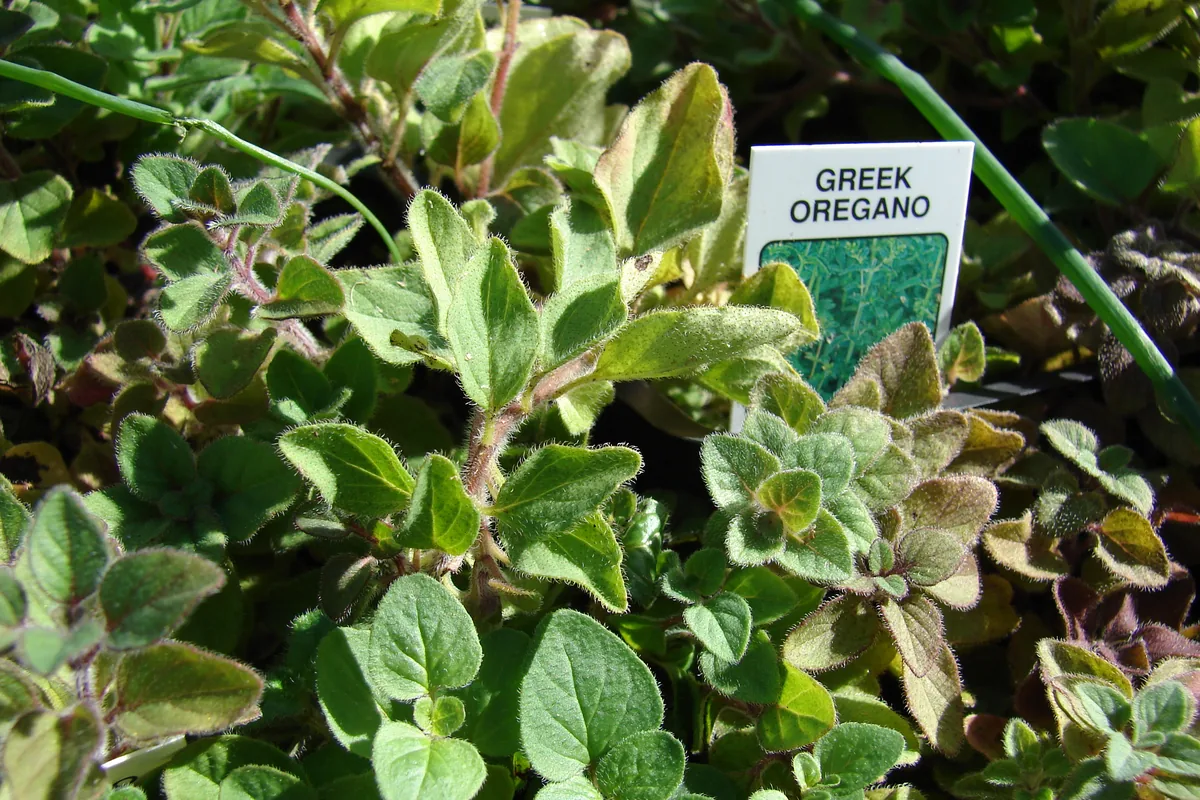
What does Greek oregano mean?
Iowa State University Extension identifies Greek oregano as Origanum vulgare subsp. hirtum and describes its strong aroma and flavor. Kew recognizes that subspecies within Origanum vulgare. Those botanical names help distinguish the plant, but they do not verify the contents or origin of an unlabeled jar.
Keep plant identity and growing origin as separate questions. A botanical common name is not, by itself, proof that a particular product was grown in Greece. Look for an explicit origin statement, an ingredient description and any botanical information the producer supplies.
Greek, regular, Italian and Mexican oregano
Regular oregano: check what your jar actually says. A comparison with Greek oregano is only meaningful once you know what you are comparing it with. Avoid assuming the plain word “oregano” identifies a milder, separate plant.
Italian oregano: the common name alone is not enough to establish a single botanical identity. Kew’s profile describes oregano as important in both Greek and Italian cuisine. Using an herb in an Italian dish does not make it a different species, and a country word on a label does not replace product details.
Mexican oregano: Illinois Extension identifies Lippia graveolens under this common name. It belongs to a different genus from Origanum; Kew currently treats that botanical name as a synonym of Lippia origanoides. This is a useful reminder that similar kitchen names can refer to different plants. Check the exact product and recipe instead of assuming all oregano names are interchangeable.
Will Greek oregano always taste stronger?
Its reputation for a strong flavor is a useful starting point, not a promise about every jar. Kew notes that oregano flavor varies with cultivar, growing conditions and time of year. In your kitchen, compare the actual herbs in the same dish before making a permanent seasoning rule.
For a simple comparison, set aside two small portions of a plain tomato salad or dressing. Add a little of each herb separately, keeping the other ingredients similar. Taste and note which amount suits you. This is an idea for your own comparison, not a GreekBounty tasting result.
Using dried oregano in everyday food
Tomatoes and salad: start with a small pinch, toss and taste before adding more. If the plate includes olives or cheese, taste a complete bite before deciding whether you also need more salt. Let the tomato and the other ingredients remain part of the experience.
Roasted potatoes and vegetables: follow your recipe for oil, heat and timing, then adjust the oregano to your preference. For a new jar, try it on a small portion before seasoning the whole tray heavily. Record the amount you liked so your next attempt has a practical starting point.
An olive oil dressing: mix a small batch separately and taste it with the food it will accompany. A dressing that seems bold alone may suit a plain potato; the same dressing may overwhelm a delicate salad. The final bite matters more than the spoonful by itself.
Explore our Greek oregano collection for this pantry herb. Our Greek olive oil collection offers a related ingredient for dressings; consult individual details and availability when making your choice.
Substituting the oregano you have
In a flexible everyday dish, begin with a small amount of your replacement and taste. There is no universal ratio here for Greek versus another oregano, or for fresh versus dried. Follow a recipe’s specific guidance when supplied. If the recipe centers on a particular herb, choosing that ingredient gives you the closest match to its intention.
Choosing and storing your jar
Look for culinary use, clear ingredients, stated origin where provided, pack size and date information. Choose an amount you expect to use rather than a large jar solely because it costs less per ounce. Iowa State’s storage guidance recommends airtight containers away from heat and light for dried oregano. Follow your pack’s directions, close it after use and keep it away from steam while cooking. Storage advice does not establish that an old or questionable product is safe. Growing your own? See how to dry oregano at home.
Related guides and sources
Thyme is a related cooking question, but it is a different herb. Read our Greek thyme cooking guide for that distinction, or compare whole-leaf and ground oregano when choosing the form of oregano for your dish.
Iowa State University Extension: oregano identity and storage; Kew: Origanum vulgare and accepted subspecies; Kew: culinary use and flavor variation; Illinois Extension: Mexican oregano; Kew: Lippia graveolens taxonomy. Cooking examples are editorial suggestions, not a tested recipe or product-specific taste claim.
Continue exploring this ingredient
Browse the oregano guide library, then explore Oregano on Homemade Pizza: Plan the Seasoning Layers and Oregano vs Sweet Marjoram in Cooking.