
How to Dry Oregano (and Thyme): 4 Easy Methods
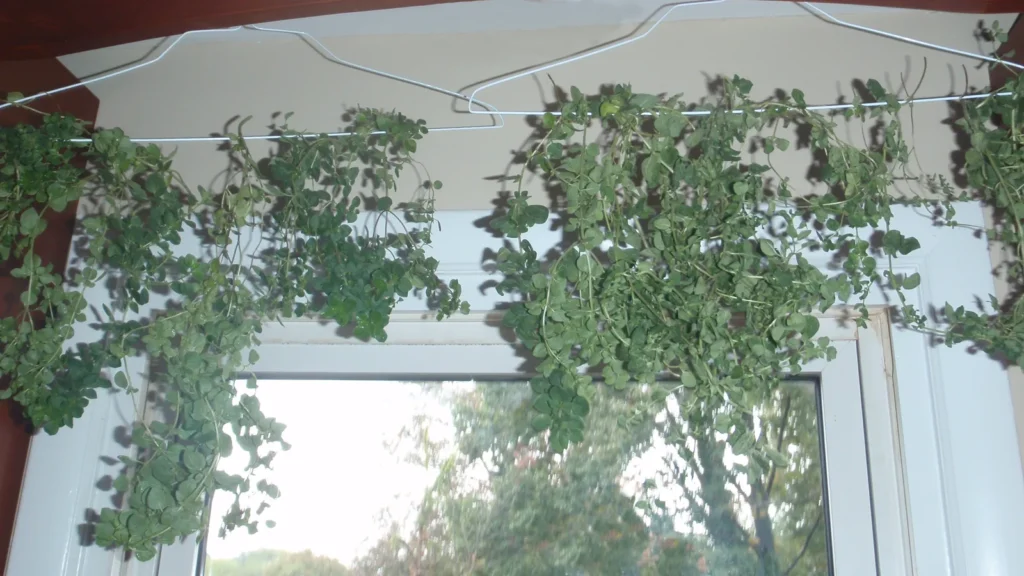

Drying your own oregano is simple: pick it at the right moment, remove the moisture quickly and store it away from air, heat and light. This guide covers four methods, from hanging bunches to a dehydrator, using advice from the National Center for Home Food Preservation (NCHFP) and Penn State Extension. The same steps work for thyme, which is even easier to dry.
When to pick oregano for drying
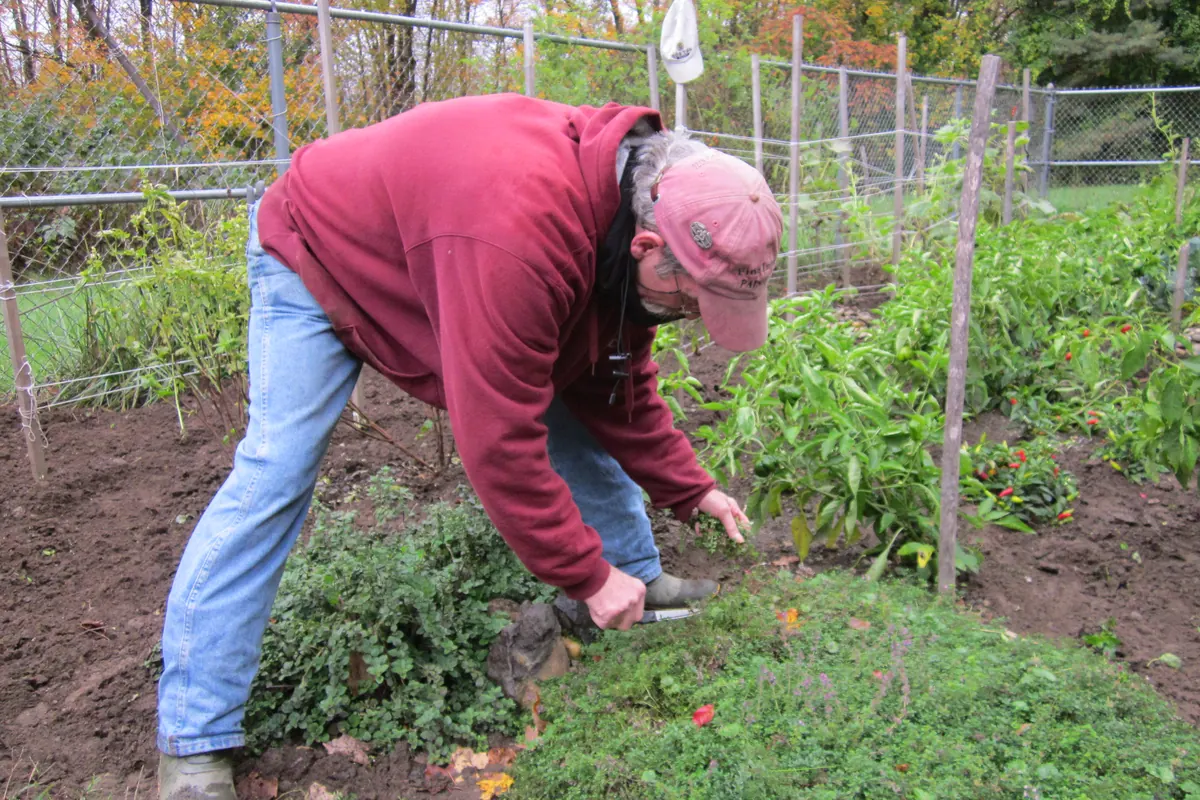
Both NCHFP and Penn State say most herbs are best for drying just before the flowers first open, in the “bursting bud” stage. Penn State adds that new leaves at the tip of the plant have the most concentrated flavour and that flowering herbs tend to be somewhat bitter. Pick in the morning, after the dew has dried, and don’t leave the cut stems lying in the sun.
Use scissors to cut the stems just above a pair of leaves. Penn State suggests leaving 4–6 inches (10–15 cm) of stem on the plant so it can regrow.
Preparing the stems
- Discard bruised, soiled or yellowing leaves and stems, and check for insects.
- Rinse the stems in cool water and shake gently to remove the excess.
- Pat dry with a paper towel or use a salad spinner. The less water you start with, the faster and safer the drying.
Method 1: Hang it in a paper bag
Oregano is what NCHFP calls a tender-leaf herb: like basil and mint, it holds a lot of moisture and will go mouldy if it doesn’t dry quickly. NCHFP recommends hanging tender-leaf herbs inside paper bags. Tie a small bunch (large bunches can mould), tear or punch holes in the sides of a paper bag, put the bunch inside upside down and close the top around the stems with a rubber band. Hang it where air moves freely, away from the stove, sink and dishwasher. The bag keeps off dust and catches any leaves that fall.
Penn State notes that a rubber band tightens as the stems shrink, so they don’t slip out of the bunch. Depending on humidity, air-drying can take from several days to a couple of weeks; it is done when the leaves are crisp.
Method 2: Dry the leaves on trays
For faster, more even drying, strip the leaves and lay them on paper towels or a fine food-safe screen so they don’t touch. NCHFP and Penn State both describe stacking up to five layers of leaves and paper towels at a time. Change the towels if they become damp. Small-leaved herbs can be dried on the stem and stripped afterwards.
Method 3: Use a dehydrator
A dehydrator gives the most control. NCHFP suggests preheating it to 95–115°F (35–46°C), or up to 125°F (52°C) in very humid areas; Penn State gives 95–110°F (35–43°C). Spread the stems in a single layer on the trays. Drying usually takes 1 to 4 hours, so check regularly. Don’t dry herbs alongside fruit or vegetables, which have different moisture contents and can swap flavours.
Method 4: The microwave (small amounts only)
NCHFP says the microwave is a fast option when you only have a small quantity, and to follow your oven’s instructions. Penn State’s method: arrange the leaves one layer thick between microwave-safe paper towels and heat on high for about 2 to 3 minutes per cup, starting with 1 minute and checking every 30 seconds. Watch carefully, because paper towels can catch fire if there isn’t enough herb in the oven. Penn State also notes that microwaves rated 1,000 watts or more may heat too fast for this method.
What about the oven?
Penn State generally doesn’t recommend oven drying, because even the lowest setting destroys much of the flavour, oils and colour. If you try it, use the lowest temperature (not above 180°F / 82°C) with the door open, for 3 to 4 hours. NCHFP points out that the light of an electric oven, or the pilot light of a gas oven, can give enough gentle heat to dry leaves overnight. Sun drying is not recommended: herbs lose flavour and colour.
How to tell when oregano is dry
The leaves should be crisp and crumble easily between your fingers, and the stems should snap rather than bend. Penn State stresses drying completely, because any leftover moisture can cause mould in storage. Penn State also advises treating air-dried herbs to destroy any insects or eggs, either by heating them at 160°F (71°C) for 30 minutes or by freezing at 0°F (−18°C) or below for at least 48 hours; the heat method does reduce the flavour.
How to dry thyme
Thyme is easier than oregano. NCHFP lists thyme, along with rosemary and sage, as a sturdier herb that is easy to dry without a dehydrator: tie it in small bundles and hang it to air-dry, ideally indoors, where colour and flavour hold up better. Its small leaves dry quickly on the stem; once crisp, run your fingers down each stem to strip them. The same works for lemon thyme, although its lemon scent is always strongest fresh.
Storing dried oregano and thyme
Keep dried herbs in airtight containers in a cool, dry, dark cupboard, away from the stove and sink. NCHFP suggests storing the leaves whole and crumbling them as you use them, or crumbling them coarsely before storage; whole leaves keep their aroma longer. Our guide to whole leaves vs ground oregano explains the difference in the kitchen.
Using dried oregano in recipes
Dried herbs are usually 3 to 4 times stronger than fresh ones, according to NCHFP, so when a recipe calls for fresh oregano, use ¼ to ⅓ of the amount in dried. Dried oregano is the classic seasoning for a Greek salad, Greek seasoning and souvlaki, and you can even make oregano tea with it.
Don’t grow your own? Our dried Greek oregano comes ready to use, and our guide to Greek vs Italian oregano explains what to look for. For swaps, see oregano substitutes.
Sources
- National Center for Home Food Preservation (University of Georgia): Drying herbs
- Penn State Extension: Let’s Preserve, drying herbs
Drying oregano: frequently asked questions
How long does it take to air-dry oregano?
From several days to a couple of weeks, depending on humidity and the size of the bunches. In a dehydrator it usually takes about 1 to 4 hours.
Should I wash oregano before drying it?
Yes. Rinse it in cool water, shake off the excess and pat it dry, so you start with as little moisture as possible.
Can I dry oregano in the oven?
You can, but extension experts don’t generally recommend it because heat drives off flavour. Use the lowest setting, no higher than 180°F (82°C), with the door open.
How much dried oregano equals fresh?
Use ¼ to ⅓ as much dried oregano as fresh, because dried herbs are about 3 to 4 times stronger.

Good things from our land, ideas for your table.
Explore the pantry journal →