
Oregano Tea: How to Make It with Dried Greek Oregano
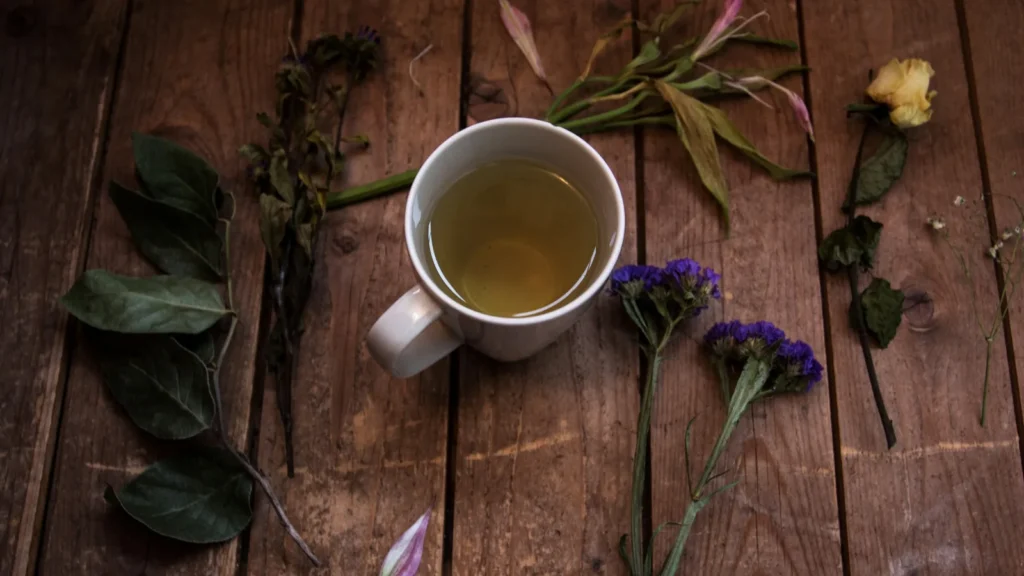
Oregano tea is a simple herbal infusion: dried oregano steeped in hot water. It tastes warm, peppery and a little bitter, and it’s often softened with lemon or honey. In Greece, herbal infusions are an everyday drink, and dried oregano from the kitchen jar works well. Here’s how to make it, and what is and isn’t known about it.

How to make oregano tea
Makes: 1 cup. Time: 10 minutes.
- 1 tsp dried Greek oregano, such as our dried Greek oregano, 80 g jar
- 1 cup (240 ml) water, just off the boil
- Optional: a slice of lemon, a strip of orange peel, or a little honey
- Put the oregano in a mug, teapot or tea infuser.
- Pour over the hot water and cover the cup with a saucer, to keep the aromatic oils in.
- Steep for 5 minutes for a lighter cup, or up to 10 minutes for a stronger one.
- Strain, and add lemon or honey to taste.
Start with less oregano if you’re new to it: Greek oregano is bold, and a long steep can taste bitter. If you have fresh oregano, use about 1 tablespoon of leaves per cup.
Flavour combinations
- Lemon and honey: the classic way to round off the bitterness. Try a spoonful of Greek thyme honey.
- With mountain tea: brew a few sprigs of Greek mountain tea with a pinch of oregano for a gentler, floral cup. See how to brew Greek mountain tea.
- With mint or sage: a pinch of either gives a fresher, rounder flavour.
- With cinnamon: a small piece of cinnamon stick in winter.
Oregano tea benefits: what is known
Oregano leaves contain aromatic compounds such as carvacrol and thymol. Most research on these compounds uses concentrated extracts or oils, not a cup of tea, and there is little evidence from studies in people drinking oregano tea. We don’t make health claims about oregano tea. Enjoy it as a warm herbal drink, and talk to a healthcare professional if you’re thinking of using it for a health reason.
Is oregano tea safe?
Oregano is “generally recognized as safe” as a food ingredient by the US Food and Drug Administration. The US National Library of Medicine’s LactMed database notes that oregano is generally well tolerated, with rare reports of stomach upset and allergic skin reactions, and that amounts higher than those used in food should probably be avoided while breastfeeding, because of a lack of data. Some people who are allergic to other plants in the mint family, such as basil, sage or mint, may also react to oregano. If you are pregnant, breastfeeding, take medicines or have a health condition, ask your doctor before drinking herbal teas regularly. Oregano tea is not the same as oregano oil, which is far more concentrated.
Choosing oregano for tea
Use culinary dried oregano with a fresh, strong scent. Whole leaves are easier to strain than ground oregano; see whole leaves vs ground. To learn how Greek oregano differs from other oreganos, read Greek vs Italian oregano. Browse the dried Greek oregano collection.
Sources
- NCBI LactMed: Oregano
- Drugs.com: Oregano (adverse reactions)
- US eCFR: 21 CFR 182.10, spices and natural seasonings generally recognized as safe
Oregano tea: frequently asked questions
How do you make oregano tea?
Steep 1 teaspoon of dried oregano in 1 cup (240 ml) of just-boiled water for 5–10 minutes, covered. Strain, and add lemon or honey to taste.
What does oregano tea taste like?
Warm, peppery and slightly bitter, with the same aroma as the herb. Lemon and honey soften it.
Can I use fresh oregano for tea?
Yes. Use about 1 tablespoon of fresh leaves per cup.
Is oregano tea the same as oregano oil?
No. Oregano tea is a mild infusion of the leaves. Oregano oil is a concentrated product and should not be treated the same way.

Good things from our land, ideas for your table.
Explore the pantry journal →