


Finish with intention
Add a final pinch to tomatoes, grilled fish, or warm bread with olive oil.
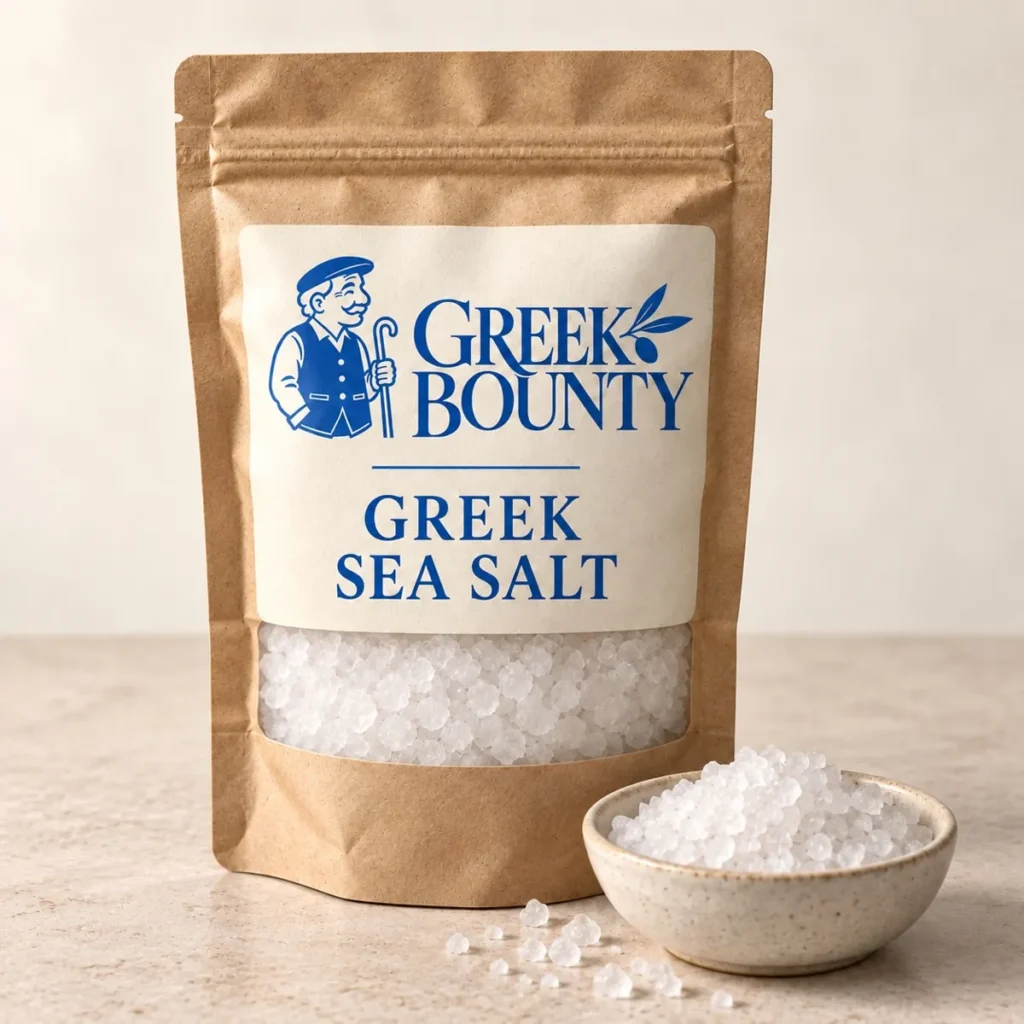
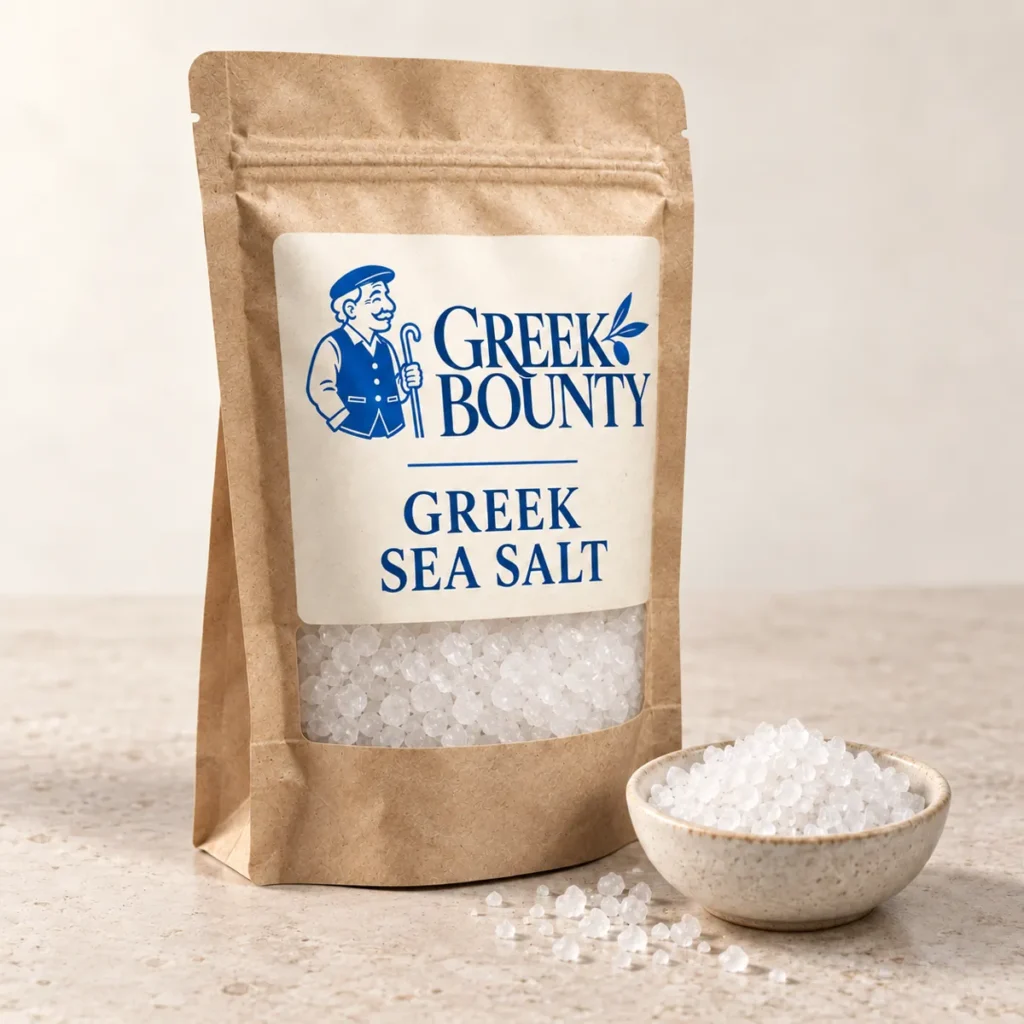
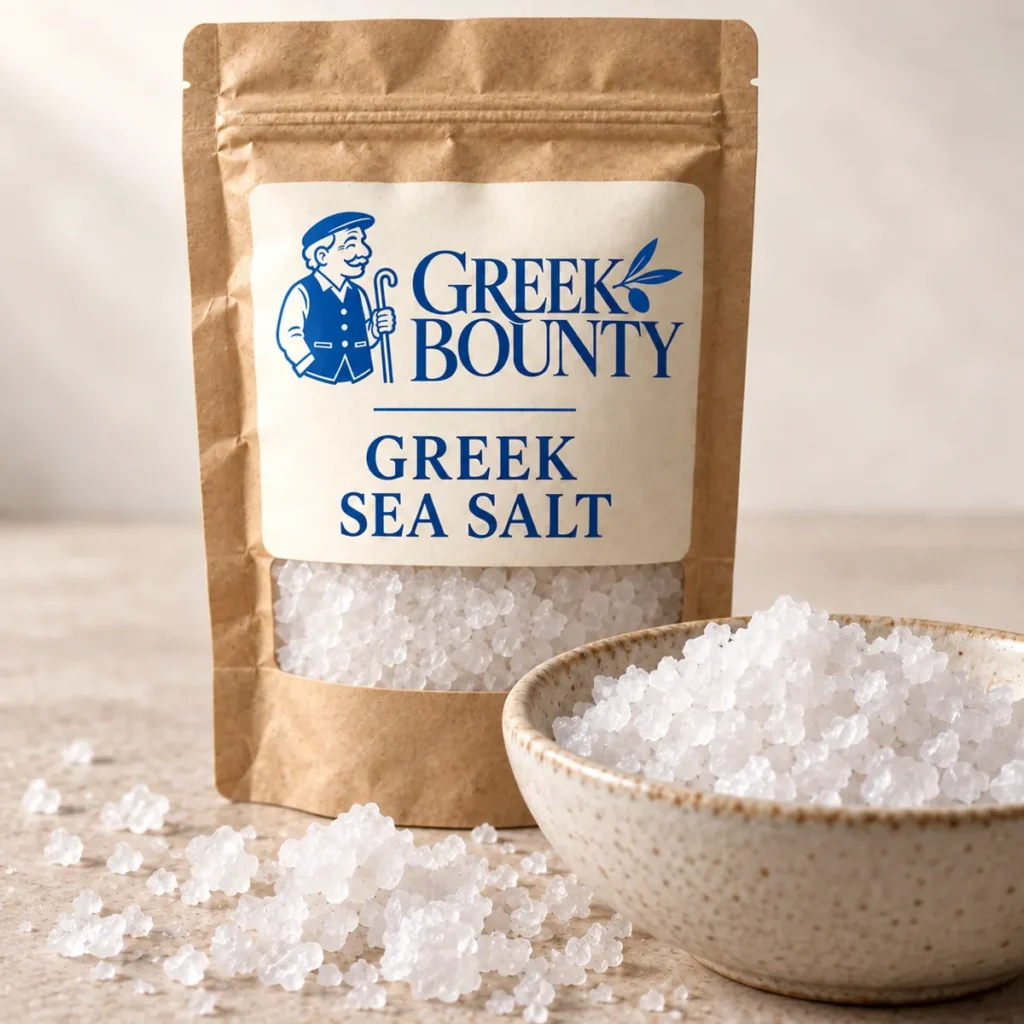
Packaging previews · Ingredient photographs follow.
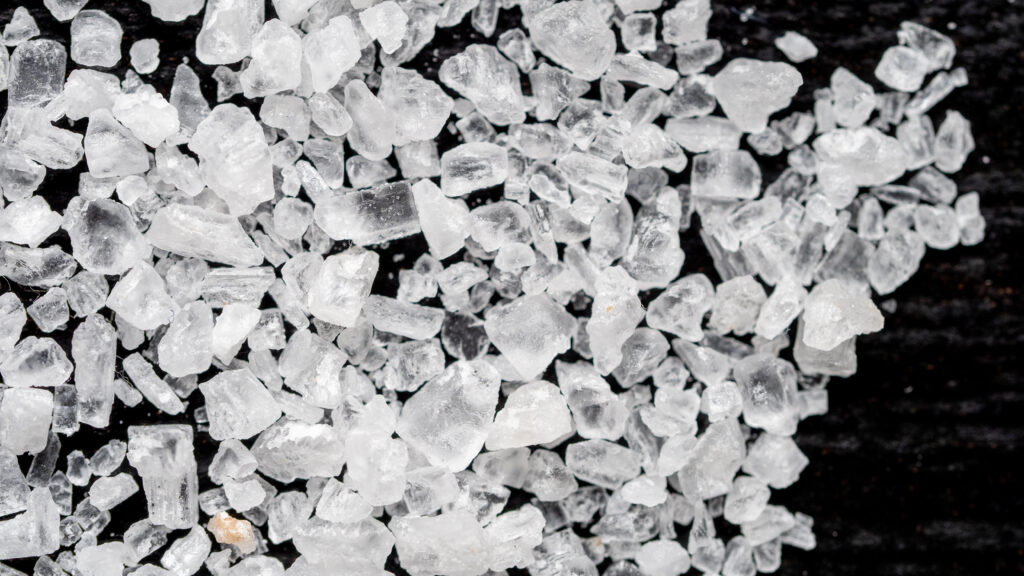
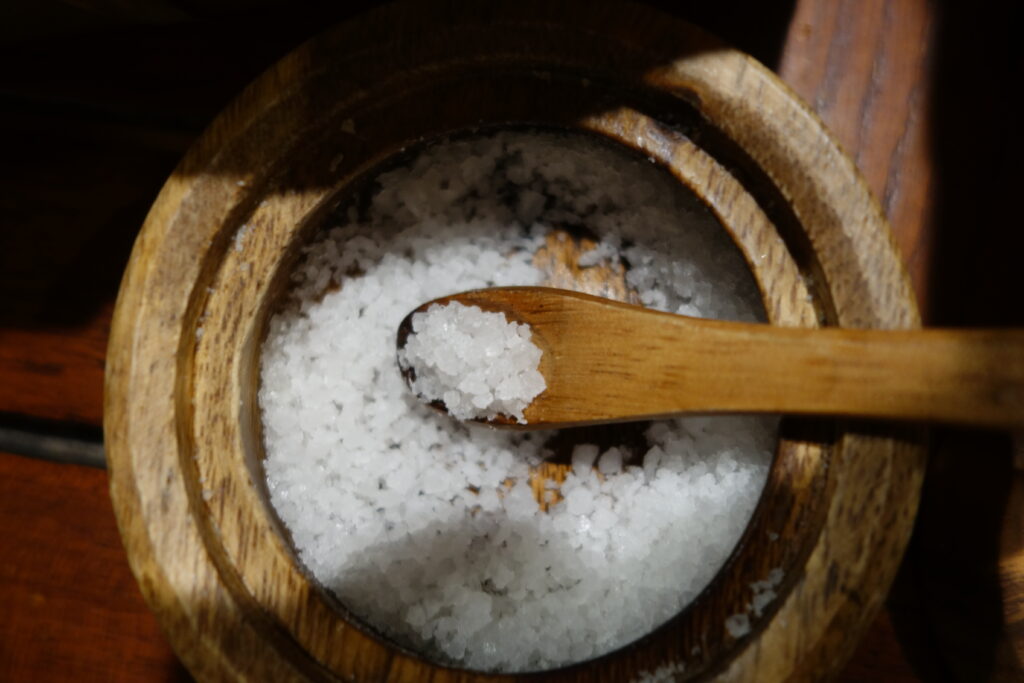
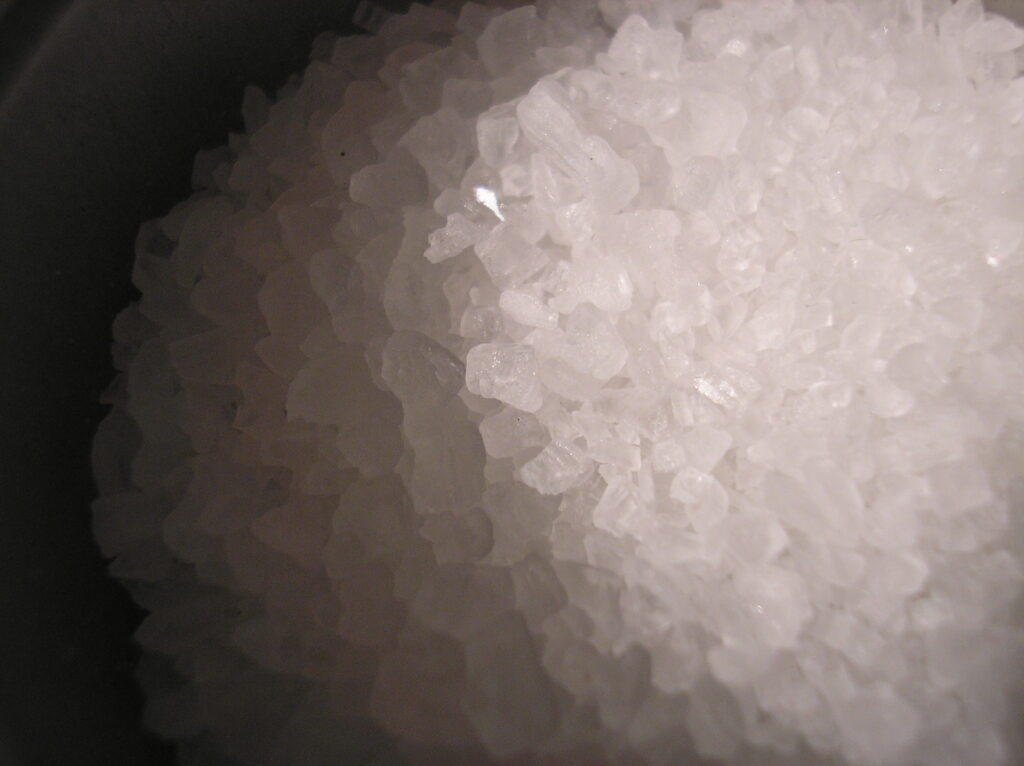
Image 4. Sea Salt - Macro (51840172425) — Ajay Suresh / Wikimedia Commons · CC BY 2.0. Resized and cropped for display.
Image 5. “Seasalt.jpg”. Photo: Relativity / Wikimedia Commons · CC BY-SA 4.0. Resized; display may be cropped. Photo adaptations retain the same licence.
Image 6. Salt crystal texture. Photo: Nate Steiner · CC0. Display may be resized or cropped.
AI-generated packaging and serving illustrations, not photographs of the product. The pack label is the authority for product details.
A small flourish with the power to make a meal.
A final pinch can feel almost divine. Scatter sea salt over a ripe tomato, warm bread with olive oil, or the crisp skin of a roasted potato, and an everyday bite becomes something worth lingering over. Greek salt belongs to a landscape of bright water and exposed shores, with regional traditions as compelling as the food it finishes. Its place at the table is small, deliberate, and quietly essential.
Mani’s coastal geology and climate gave rise to a distinctive salt-making tradition, remembered locally in the name afralatso. Messolonghi tells another story: lagoon water evaporates in shallow salt pans, while afrina forms along their edges and is gathered by hand. Coastal salt fields and expansive lagoon pans reveal two different chapters of Greek salt heritage. They make this everyday ingredient worth a closer look, with crystal texture and the way it meets food at the heart of the pleasure.
Bring that attention to your own kitchen. Let a finishing pinch land on grilled fish, roasted peppers, a soft egg, or chocolate with olive oil. Choose the crystal texture for the job: something that dissolves into a dish, or a little definition at the very last moment. Our Greek sea salt invites you to explore this simplest of luxuries—salt chosen thoughtfully, used sparingly, and given room to make the food sing.
US shipping $8, free on orders of $75+. UK delivery available. Shipping & Returns
Greek salt stories include different ways of gathering and working with seawater. Mani’s cultural record distinguishes local afralatso from salt historically brought by boat. Messolonghi’s salt-pan tradition includes afrina forming around the edges of the pans. Those regional names are fascinating, but they do not automatically tell you the grain style of a retail pack. For cooking, fine grains, coarse crystals and delicate flakes offer different textures and measuring behavior. Compare the final product description and ingredients, then choose the form that suits your dish. A salt for dissolving into a dressing has a different job from a final textured pinch.
Find its perfect pantry pairing →Add a final pinch to tomatoes, grilled fish, or warm bread with olive oil.
Discover Mani’s salt heritage and the lagoon salt pans of Messolonghi.
Choose a crystal size that suits cooking, dissolving, or finishing.
A restrained pinch can bring an intriguing savory edge to chocolate.
Choose a stated crystal style that gives the bite you want.
Measure by weight when a recipe calls for precision.
Discover anthos alatos and Messolonghi’s afrina alongside coarser sea-salt crystals.
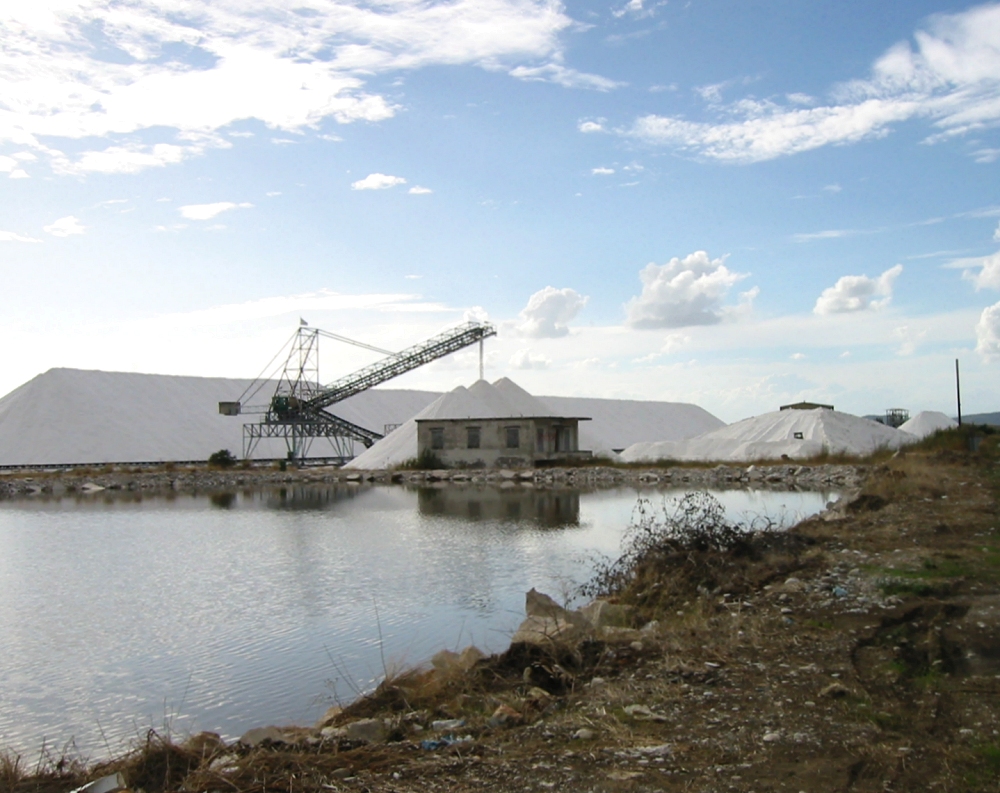
In the salt pans of Messolonghi, evaporation concentrates saline water until salt crystallizes. The place, weather, and handling shape how the crystals are formed and gathered.
Afrina is the local name for fleur de sel, or flower of salt. Delicate crystals form at the surface and are skimmed or gathered by hand; this light surface harvest differs from collecting the main salt crop.
Fleur de sel can bring a delicate crystalline finish to tomatoes, grilled food, or chocolate. Coarser crystals offer another texture for cooking or grinding, according to their format.
Use texture thoughtfully: a restrained finishing pinch can make the last bite as memorable as the first.
Fleur de sel is associated with surface crystallization and collection. Coarse sea salt describes larger crystals, not the same harvesting method.
Anthos alatos means flower of salt; afrina is Messolonghi’s regional name. Neither term establishes the origin of an unspecified product.
From the first taste to the last thoughtful touch.
Sea salt remains a source of sodium. Its regional story, crystal texture, and appeal at the table do not make it a heart or circulation aid. FDA notes that diets higher in sodium are associated with increased risk of high blood pressure, while the American Heart Association emphasizes total sodium intake regardless of salt type. Use a deliberate amount, taste before adding more, and consider sodium already present in the meal. Herbs, citrus, and vinegar can provide additional flavor when you want to use less salt.
Simple ideas. Your own delicious ritual.
AI-generated ingredient and serving illustrations; images are not photographs of the recipes below.
Season vegetables with oil, herbs and salt before roasting.
Taste ripe tomatoes before adding a final small pinch.
Whisk salt into the liquid dressing so it distributes evenly.

Inspired by the olive-growing landscapes of Laconia and Mani, and the rich pantry traditions of Crete. Greek Bounty is taking shape around useful ingredients and the pleasure of sharing good food.
Read how the Greek Bounty pantry is taking shape, and explore our ingredient guides.
Get to know Greek Bounty →These notes describe the ingredient category. See each product page and its pack label for ingredients, allergens, pack size and storage.
Discover complementary collections.
 FOR YOUR PANTRY
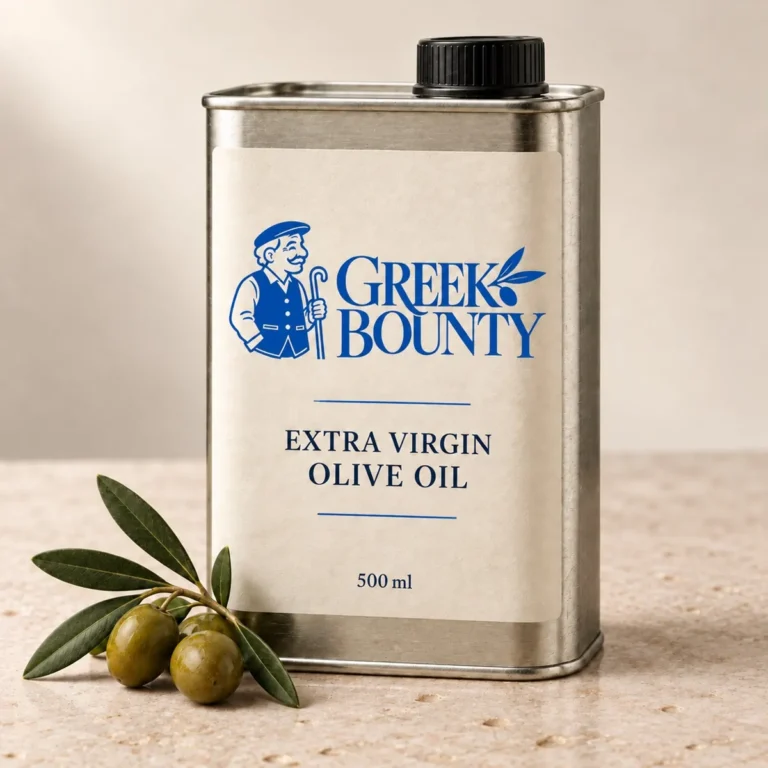
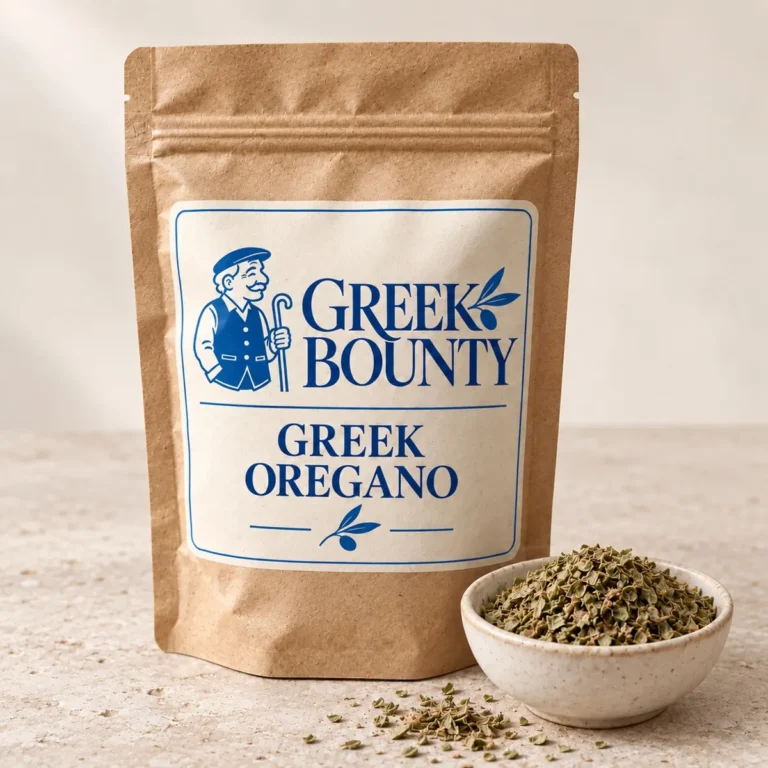
Packaging preview.
 FOR YOUR PANTRY
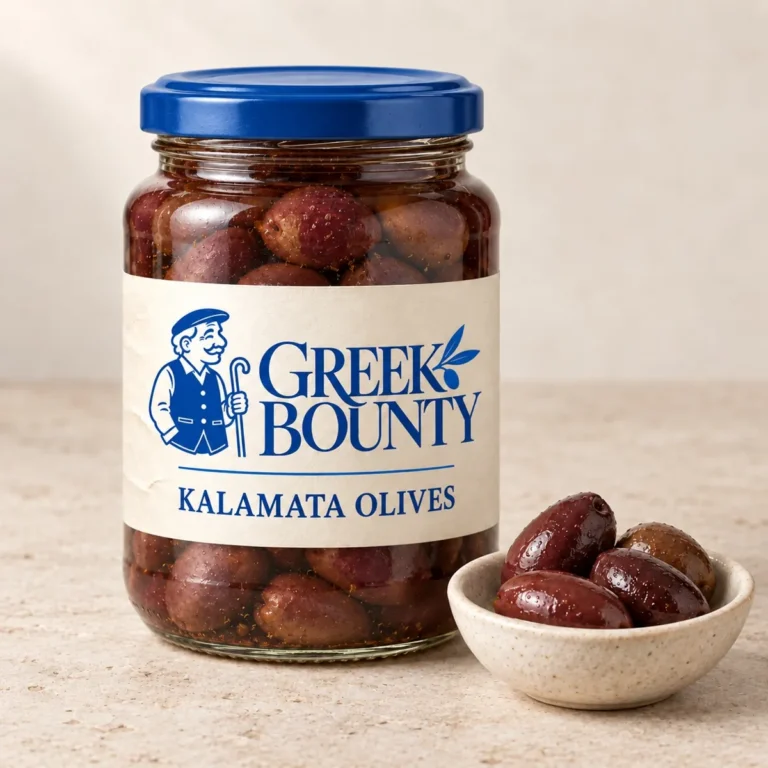
Packaging preview.
 FOR YOUR PANTRY
Packaging preview.
Clear answers, without the guesswork.
Our Greek sea salt comes in a 125 g glass jar. The jar label has the salt type and complete product information.
Not by weight. The American Heart Association notes that sea salt and table salt contain about the same amount of sodium. Compare nutrition labels and follow your dietary requirements.
Often, but crystal size can change a volume measurement. Use the recipe’s stated salt type or weight where supplied, then taste appropriately.
Prices and US & UK shipping are live. Card checkout is being connected — email info@olympianllc.com to place an order.
US standard shipping is $8.00, and free on orders of $75 or more. UK delivery is $9.32, and free on orders of $89.90 or more.
Practical answers for choosing, preparing and enjoying it.
Original ingredient notes by Greek Bounty · Updated October 3, 2026. General serving ideas, not supplier-specific instructions.
