
Finishing Salt: What It Is, Types and How to Use It
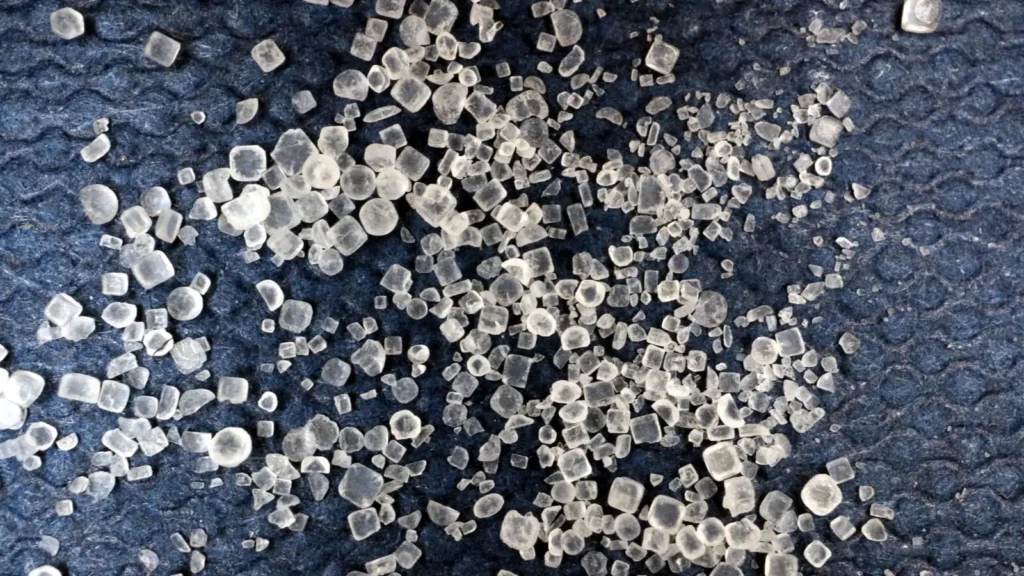

Finishing salt isn’t a single product. It’s any salt you sprinkle on food at the end, just before eating, so the crystals stay whole. Instead of dissolving into the dish, they add crunch and small bursts of saltiness. Flaky sea salt, fleur de sel and coarse grey sea salt are the classic choices. Here’s how they differ and how to use them.
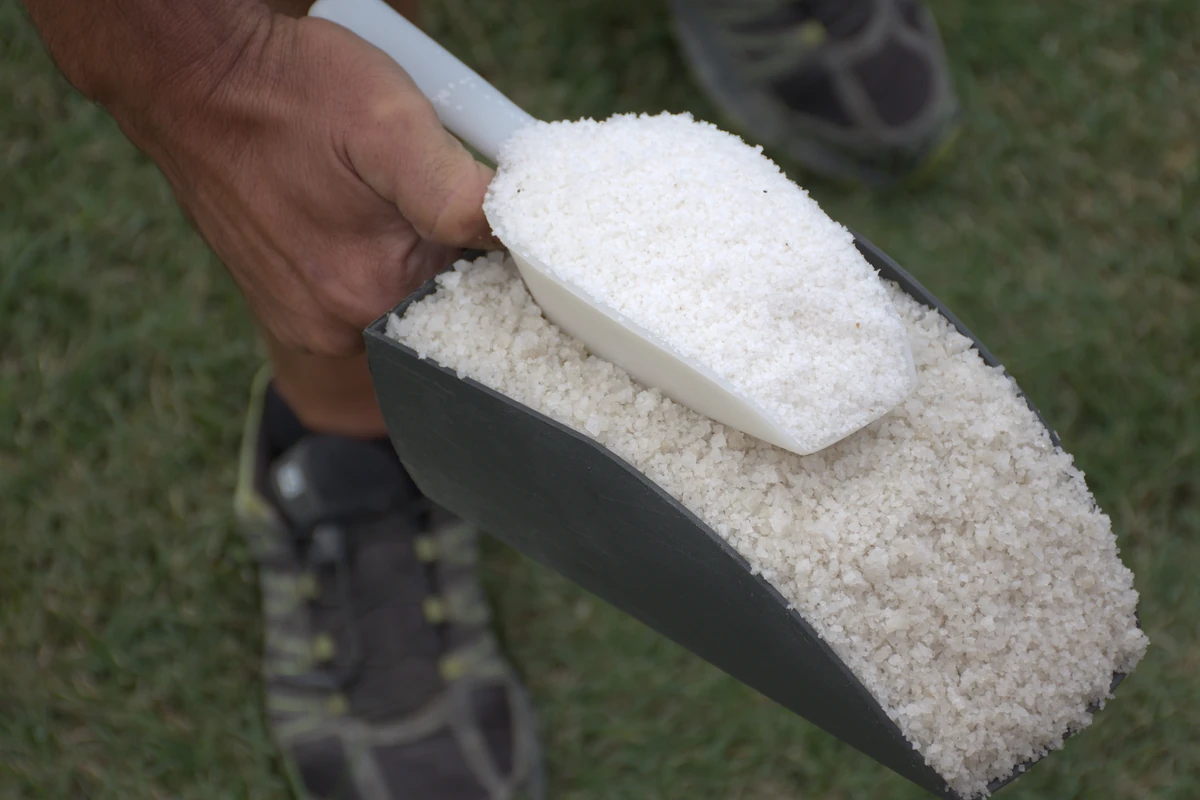
What makes a salt a finishing salt?
Texture is what matters. Fine table salt disappears into food and is best for cooking and baking. Finishing salts have larger, flakier or moister crystals that sit on the surface of the food and crunch between your teeth. Because you taste them directly, you notice their texture and clean flavour more. Sodium is essentially the same: the American Heart Association notes that table salt and most sea salts contain about 40% sodium by weight. For a flavoured finishing salt you can make at home, see lemon salt.
Types of finishing salt
| Salt | Texture | Good for |
|---|---|---|
| Sea salt flakes | Thin, crisp pyramids or flakes that crush between your fingers | Salads, grilled meat and fish, tomatoes, chocolate, bread and oil |
| Fleur de sel | Fine, delicate, slightly moist crystals skimmed from the surface of salt pans | Vegetables, eggs, fish, caramel |
| Grey sea salt (sel gris) | Coarse, moist, grey crystals raked from the bottom of salt pans | Roast meat, root vegetables, hearty dishes |
| Coarse sea salt | Large, hard, dry crystals | Grinding over food, crusts on roasts |
Sel gris: grey sea salt explained
Grey sea salt, or sel gris, comes from the same shallow solar salt pans as fleur de sel but is harvested differently. As seawater evaporates, salt crystals form on the clay bottom of the pans and are raked up. Under the protected geographical indication for Sel de Guérande in France, the salt is hand-harvested, unrefined and unwashed, and its grey colour comes from fine clay particles. Fleur de sel, by contrast, forms on the surface of the brine and is skimmed off before it sinks, which is why it stays white.
Grey salt is moist and coarse, with a mineral flavour. It’s often used in cooking or ground, but its chunky crystals also make a good finishing salt on roasted meat and vegetables.
Fleur de sel and flakes
Fleur de sel is produced in small quantities and is labour-intensive to harvest, so it costs more. Flaky sea salt is made in several ways and is prized for its crisp, hollow crystals. Read what is fleur de sel?, fleur de sel vs Maldon and sea salt flakes vs ground sea salt for a closer look.
How to use finishing salt
- Add it last, after cooking and just before serving, so it stays crunchy.
- Pinch, don’t shake. Crush flakes lightly between your fingers as you sprinkle them.
- Season first with fine salt. Cook with ordinary salt for overall seasoning, then add a little finishing salt for texture.
- Taste first. Finishing salt is noticeable, so a little goes a long way.
Foods that shine with finishing salt
- Sliced tomatoes, a Greek salad or avocado toast
- A steak, lamb chops or grilled fish
- Roast vegetables and Greek lemon potatoes
- Bread dipped in oil; see our olive oil bread dip
- Chocolate, caramel, olive oil cake or honey on yogurt
- Fried eggs and buttered radishes
Is finishing salt healthier?
No. Finishing salts are about texture and flavour, not nutrition. They contain about the same sodium by weight as table salt, and any trace minerals are present in very small amounts. Large crystals can mean less sodium per teaspoon simply because fewer fit in the spoon. Read sea salt vs table salt for more.
Our Greek sea salt in a 125 g glass jar is for everyday cooking and finishing; the label lists the salt type. Explore the Greek sea salt collection.
Sources
- American Heart Association: Sea salt vs table salt
- INAO: Sel de Guérande / Fleur de sel de Guérande PGI
- University of Hawaiʻi, Exploring Our Fluid Earth: Traditional salt harvesting (fleur de sel and sel gris)
Finishing salt: frequently asked questions
What is a finishing salt?
Any salt added at the end of cooking, just before eating, for texture and a burst of flavour. Flaky sea salt, fleur de sel and grey sea salt are common choices.
What is grey sea salt?
Grey sea salt, or sel gris, is coarse, moist sea salt raked from the clay bottom of shallow salt pans. Its colour comes from fine clay particles.
Can I cook with finishing salt?
You can, but it’s a waste of its texture. Season during cooking with ordinary salt and save finishing salt for the end.
Does finishing salt have less sodium?
Not by weight. Most salts are about 40% sodium. Big crystals may contain less sodium per teaspoon only because fewer fit in the spoon.

Good things from our land, ideas for your table.
Explore the pantry journal →