
Olive Oil Cake: A Moist Lemon Cake Made with Extra Virgin Olive Oil
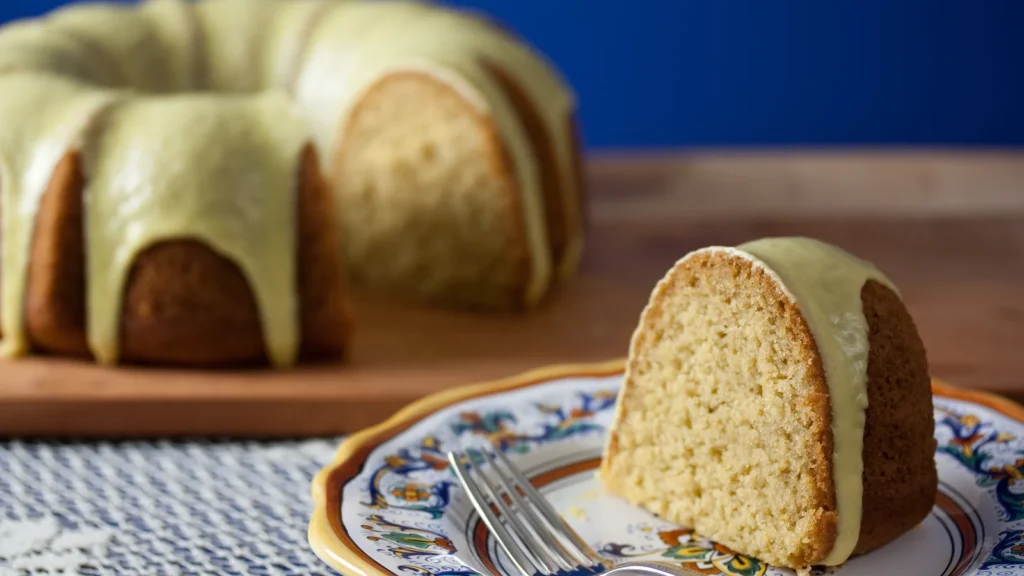

Olive oil cake is the easiest kind of cake: no butter to soften, no mixer, one bowl and a whisk. The oil keeps the crumb moist for days, and a fruity extra virgin olive oil gives it a gentle, peppery background that works beautifully with lemon or orange. This recipe makes one 9-inch round cake, good with coffee, for dessert with yogurt, or as a simple gift.
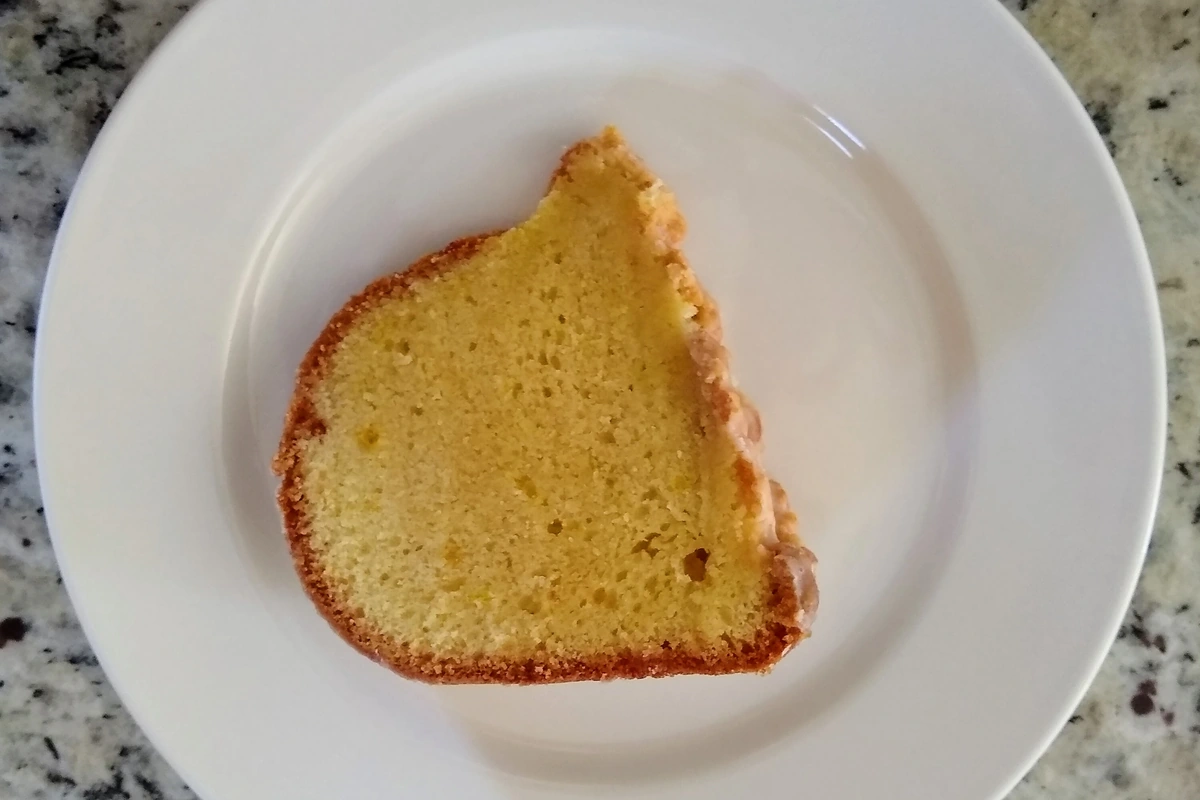
Olive oil cake recipe
Serves: one 9-inch (23 cm) cake, 10–12 slices. Prep: 20 minutes. Cook: 45–55 minutes. Total: about 1 hour 40 minutes, including cooling.
Ingredients
- 1¾ cups (220 g) plain (all-purpose) flour
- 1½ tsp baking powder
- ½ tsp fine sea salt
- 3 large eggs, at room temperature
- 1 cup (200 g) sugar
- Finely grated zest of 2 lemons or 1 orange
- ¾ cup (180 ml) extra virgin olive oil, such as our Rapti Koroneiki olive oil
- ¾ cup (180 ml) whole milk or plain yogurt thinned with a little milk
- 2 tbsp lemon or orange juice
- To finish: icing (powdered) sugar, or a drizzle of warm honey
Method
- Heat the oven to 350°F (180°C, 160°C fan). Oil a 9-inch (23 cm) round cake tin and line the base with baking paper.
- Whisk the flour, baking powder and salt in a bowl.
- In a large bowl, rub the zest into the sugar with your fingertips until it smells fragrant. Add the eggs and whisk for 2–3 minutes until pale and slightly thick.
- Pour in the olive oil in a slow stream while whisking, then whisk in the milk and juice.
- Fold in the dry ingredients until just combined; a few streaks are fine.
- Pour into the tin and bake for 45–55 minutes, until golden and a skewer in the centre comes out clean.
- Cool in the tin for 15 minutes, then turn out onto a rack. Dust with icing sugar or brush with warm honey before serving.
Why make a cake with olive oil?
Oil is liquid at room temperature, while butter firms up as it cools. That’s why oil-based cakes stay soft and moist for longer than many butter cakes. In Greece and around the Mediterranean, olive oil has long been the everyday cooking fat, so olive oil cakes and biscuits are a natural part of home baking, especially during fasting periods when butter and eggs are avoided. This version uses eggs and milk for a lighter crumb. For a side-by-side comparison and a butter-to-oil conversion chart, see olive oil vs butter.
Choosing the olive oil
You will taste the oil, so choose one you enjoy. A fruity, medium extra virgin olive oil, such as one made from Koroneiki olives, gives a pleasant green note without overwhelming the citrus. A very bitter, peppery oil makes a more grown-up cake; a mild or light-tasting olive oil gives a neutral cake that tastes mostly of lemon. Our guides to choosing Greek olive oil and Koroneiki olive oil explain what to look for, and extra virgin vs virgin olive oil explains the grades.
Tips for the best texture
- Room-temperature eggs whisk up with more volume. Put cold eggs in a bowl of warm water for 10 minutes.
- Add the oil slowly while whisking, so it emulsifies with the eggs and sugar instead of pooling.
- Don’t overmix the flour. Fold until you can’t see dry patches, then stop.
- Check early. Ovens vary. Start testing at 40 minutes; the top should spring back when pressed lightly.
- Let it cool. The crumb sets as it cools, and the flavour of the oil comes through more clearly the next day.
Variations
- Orange and yogurt: use orange zest and juice, and plain Greek yogurt thinned with a little milk.
- Honey-soaked: while the cake is warm, poke holes with a skewer and spoon over 3 tbsp warm honey mixed with 2 tbsp lemon juice. A floral Greek thyme honey works well.
- Almond: replace ½ cup (50 g) of the flour with ground almonds.
- With fruit: scatter sliced plums, figs or a handful of berries over the batter before baking.
- Dairy-free: replace the milk with orange juice or a plant milk.
Serving and storage
Serve slices plain, with a spoonful of strained yogurt and honey, or with fruit compote. Keep the cake covered at room temperature for up to 3 days; it often tastes better on day two. For longer storage, wrap slices well and freeze them for up to 2 months. If you’ve added fresh fruit or a yogurt topping, keep it in the fridge.
For more ways to use olive oil, see our lemon vinaigrette and olive oil bread dip, browse the Greek pantry recipes, or explore the Greek olive oil collection.
Sources
Olive oil cake: frequently asked questions
Can you taste the olive oil in olive oil cake?
A little. A fruity extra virgin olive oil gives a gentle green, peppery note. For a more neutral cake, use a mild or light-tasting olive oil.
Can I use extra virgin olive oil for baking?
Yes. Cakes bake at around 350°F (180°C), and the inside of the cake stays much cooler than the oven. Extra virgin olive oil is widely used for baking.
Why is my olive oil cake dense?
Usually the eggs and sugar weren’t whisked long enough, the oil was added too quickly, or the batter was overmixed after adding the flour.
How long does olive oil cake keep?
Up to 3 days covered at room temperature, or about 2 months wrapped in the freezer.

Good things from our land, ideas for your table.
Explore the pantry journal →