

Greek Thyme: A Culinary Guide
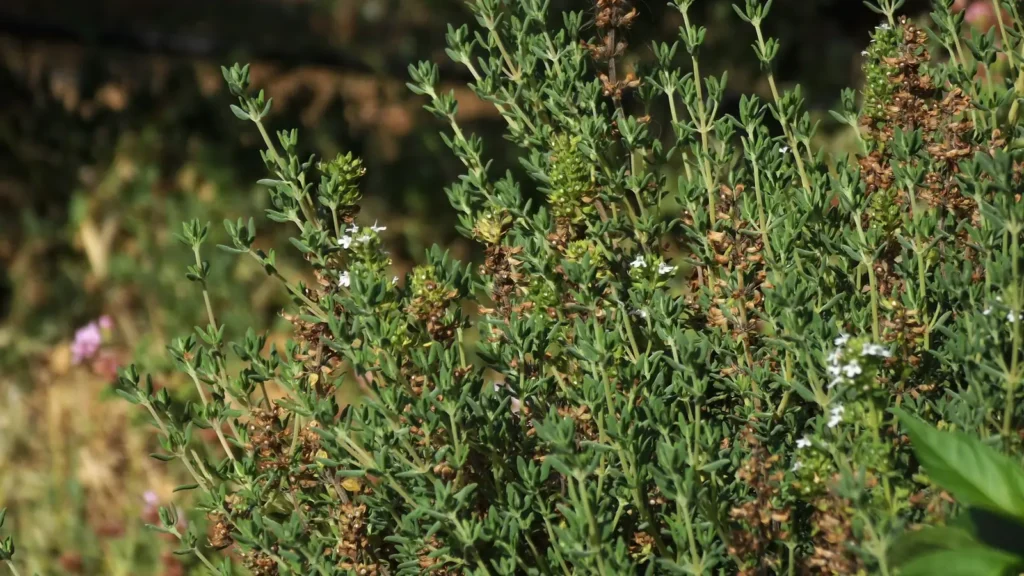
Greek thyme brings an aromatic, savoury note to the pantry. You might encounter it as fresh sprigs, dried leaves or dried flowering tops, each offering a different way to season a dish. Understanding what is in the packet makes it easier to choose how to use it—and to distinguish thyme from oregano, mountain tea and thyme honey.
Also in this guide: Lemon Thyme vs Lemon and Thyme: Read the Recipe · Thyme in a Bouquet Garni: A Removable Herb Bundle · Thyme vs Rosemary in Cooking
This guide explores thyme as a culinary ingredient. The suggestions below are starting points for your own cooking, rather than claims about a particular Greek Bounty thyme product.

What is Greek thyme?
Thyme is a familiar culinary name, but a common name does not always identify a single botanical species. Royal Botanic Gardens, Kew recognises Thymus vulgaris and Thymbra capitata as separate accepted species. The latter has a native range around the Mediterranean. If a packet names a species, read that information alongside its country of origin and producer details; a Greek name alone does not establish where an herb was grown.
You may also see the Greek word thymari, meaning thyme. For cooking, the useful questions are straightforward: what plant is identified, which parts are included, and is the herb fresh or dried? Those details tell you more than a general promise of “Mediterranean flavour”.
Thyme, oregano, mountain tea and thyme honey
Thyme and oregano are different herbs
Oregano belongs to Origanum; Kew accepts Origanum vulgare as a separate species. Thyme and oregano can appear in similar dishes, but their names should not be used interchangeably. For a practical introduction to the other herb, explore our everyday ideas for cooking with Greek oregano.
Greek mountain tea is another ingredient
The mountain tea discussed in our pantry guides is Sideritis, rather than thyme. A preparation made with thyme should not automatically be described as Greek mountain tea. Our guide to reading the species on a mountain tea label explains why the plant name matters.
Thyme honey is honey, rather than dried thyme
A jar of thyme honey and a packet of thyme herb serve different purposes in the kitchen. Honey comes from the work of bees collecting and transforming floral nectar or other plant-related sources. The floral name concerns its source; it does not make the jar a seasoning herb. Read our comparison of pine honey and thyme honey for a separate look at those pantry ingredients.
Choosing a form for your dish
Fresh sprigs, dried leaves and flowering tops are different forms, so begin with the recipe and the packet in front of you. Look for a clear ingredient name and preparation instructions. Do not assume every herb sold as thyme has the same leaf size, stem content or flavour intensity. If you grow thyme, how to dry oregano and thyme explains air-drying, trays and storage.
- Fresh sprigs: useful when you want to add the herb as a whole piece. If you cook with a woody sprig, remove it before serving.
- Dried leaves: convenient for measuring and mixing into a seasoning. Start modestly, taste the dish and adjust.
- Flowering tops: inspect the form supplied and follow the producer’s suggested preparation. Do not assume a packet of blossoms behaves exactly like finely rubbed leaves.
Whole and finely broken herbs also feel different in a dish. Our explanation of whole-leaf versus ground oregano explores that question for oregano without treating the two plants as identical.
Simple ways to cook with thyme
Try a small amount in roasted potatoes or vegetables with lemon and olive oil. Another option is to add it to a bean dish, a tomato sauce or a tray of mushrooms. Keep the first attempt simple so you can judge how the herb works with the other ingredients.
Thyme can be one element of a seasoning rather than the entire flavour of the meal. Add garlic, lemon or pepper according to your preference, and taste before adding more herbs. Our guide to olive oil in the everyday kitchen offers related ideas for building a useful Greek pantry.
A few questions before you begin
Can I replace fresh thyme with dried thyme?
The form and intensity differ. Use a recipe written for the form you have where possible; otherwise begin with a small amount and adjust by taste. A spoonful of one packet is not a precise measure of another packet’s flavour.
Does this guide mean Greek Bounty sells thyme?
This is an ingredient guide. It does not confirm a standalone thyme product or availability. For questions about the current pantry selection, use our product enquiries page.
Lemon Thyme vs Lemon and Thyme: Read the Recipe
Lemon thyme is a thyme plant with a citrus fragrance. Lemon and thyme are two ingredients combined in a dish. The phrases can look similar on a shopping list, but the herb alone does not supply lemon juice, zest or the same acidity. Our lemon thyme guide covers its flavour, cooking uses and how to grow it.
Read the ingredient line
Iowa State Extension’s thyme guide describes lemon thyme among culinary thymes. In a recipe, “lemon thyme leaves” usually points to that named herb, while separate entries for lemon and thyme point to two ingredients. Read the method when the wording is ambiguous.
A recipe that asks you to zest or squeeze a lemon clearly needs the fruit. A sprig of lemon-scented thyme cannot carry out that physical step or supply the juice used in a dressing.
Decide what each ingredient does
In a vegetable dish, thyme may contribute herbal aroma while zest adds citrus aroma and juice supplies acidity. Those roles overlap only partly. If you have lemon thyme, it can provide a citrus-scented herb note; keep the fruit when the recipe still needs its juice or zest.
Our thyme cooking guide gives the wider herb context. Use a labelled culinary plant or food ingredient rather than identifying an unknown garden plant by fragrance.
Make a deliberate variation
When substituting ordinary culinary thyme for lemon thyme, first use the recipe author’s advice. In a flexible dish, try the thyme you have and decide whether a little separately prepared zest suits it. Adding juice changes the liquid and acidity as well as the aroma.
Keep related names clear while exploring the pantry: thyme honey is another ingredient, and the oregano guide concerns a different herb. This distinction guide does not establish a Greek Bounty lemon-thyme product.
Thyme in a Bouquet Garni: A Removable Herb Bundle
Thyme works in a bouquet garni as part of a removable herb bundle for soups, stews and sauces. Keep the sprigs together while they flavour the liquid, then remove the bundle at the step named by your recipe.
Match the recipe’s herbs and form
A bouquet garni is a way to contain herbs, not one compulsory ingredient list. A recipe may combine thyme sprigs with other named herbs. Use its specified ingredients, quantities and cooking time before experimenting with a different mix.
University of Maryland Extension discusses removable herb bunches and bags. Fresh sprigs are easy to gather into a bundle; loose dried leaves need a suitable herb bag or another containment method intended for cooking.
Assemble a bundle you can retrieve
Prepare the herbs as the recipe directs. If tying them, use culinary string intended for the job; a food-use herb bag is another option when the recipe permits it. Do not pack the bundle so tightly that it is awkward to handle or remove.
Plan the retrieval before adding it to the pot. Keep loose string away from the heat source and place a reminder at the serving step. Use suitable kitchen utensils to lift the bundle out, then check for stray woody pieces before serving.
Keep thyme leaves distinct from other pantry ingredients
The thyme cooking guide explains the herb. Oregano is a different herb, even when a savoury recipe uses both. Thyme honey is honey, not a replacement for thyme sprigs.
A removable bundle is especially useful when you want herbal flavour in the dish without leaving whole stalks in the bowl. Once the recipe is familiar, note the mixture you enjoyed so you can repeat it.
Thyme vs Rosemary in Cooking
Thyme and rosemary are different herbs with different leaf textures and aromas. Both can appear as woody sprigs in a recipe, but a sprig is not a standard unit and the herbs should not be exchanged simply by matching stem lengths.
Consider the leaves that reach the plate
Illinois Extension’s rosemary reference describes its needle-like leaves and resinous, pungent character. Thyme has much smaller leaves and stems that can become woody, as described by Iowa State Extension.
For a finely chopped herb mixture, remove the tough stems and prepare the named leaves as directed. For a whole sprig used to flavour a pot, keep track of the recipe’s removal step. Rosemary needles and thyme leaves create different textures if left whole in the finished food.
Choose the recipe’s main herb first
For your first version of a thyme dish, use thyme so you know what the author intended. If adapting a flexible tray of vegetables with rosemary instead, add modestly and keep the rest of the seasoning familiar. A combination of both herbs is another deliberate flavour choice.
The thyme cooking guide helps with the ingredient context. Similar pairings with lemon, garlic or olive oil do not establish an equal-quantity substitution between herbs.
Keep form and preparation together
A fresh sprig, loose dried leaves and a powdered herb require different handling and measurement. Follow the recipe’s substitution notes rather than converting by the size of a handful. Complete any woody-stem removal before the dish goes to the table.
For related cooking ideas, explore oregano in everyday dishes and olive oil in the kitchen. They offer pantry context while keeping each ingredient distinct.
Thyme: frequently asked questions
Is lemon thyme the same as lemon and thyme?
Lemon thyme is a thyme plant with a citrus fragrance. Lemon and thyme are two ingredients combined in a dish. The phrases can look similar on a shopping list, but the herb alone does not supply lemon juice, zest or the same acidity.
How do I use thyme in a bouquet garni?
Thyme works in a bouquet garni as part of a removable herb bundle for soups, stews and sauces. Keep the sprigs together while they flavour the liquid, then remove the bundle at the step named by your recipe.
Can I swap thyme and rosemary in cooking?
Thyme and rosemary are different herbs with different leaf textures and aromas. Both can appear as woody sprigs in a recipe, but a sprig is not a standard unit and the herbs should not be exchanged simply by matching stem lengths.
Sources and further reading
Botanical names: Royal Botanic Gardens, Kew, Thymus vulgaris, Thymbra capitata and Origanum vulgare. For the relationship between bees and floral nectar, see the FAO introduction to bee forage.
Continue exploring thyme
Browse the thyme guide library, then explore Lemon Thyme vs Lemon and Thyme: Read the Recipe and Thyme vs Rosemary in Cooking.