
Za’atar Recipe: How to Make the Levantine Herb Blend at Home
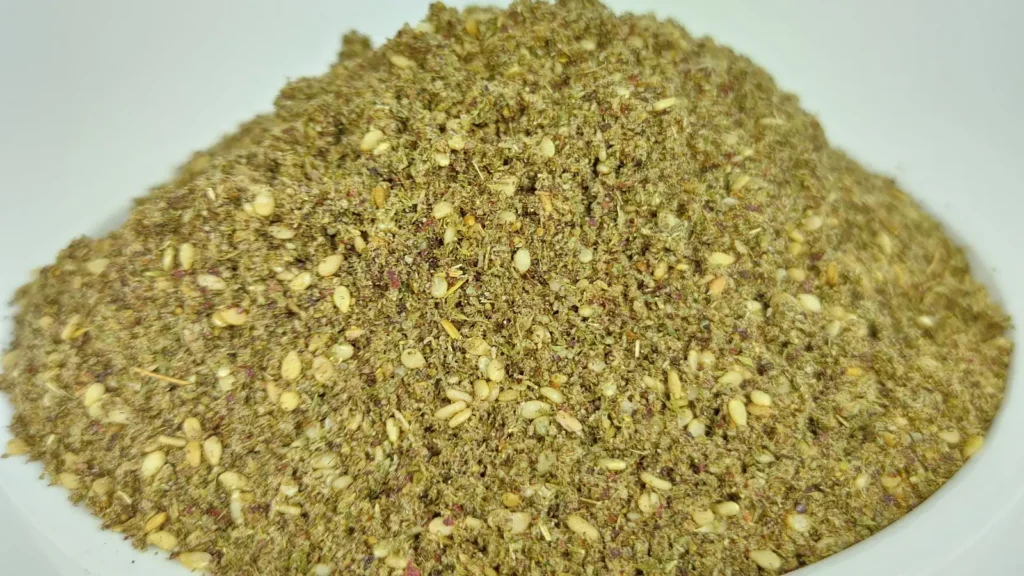

Za’atar is a herb and spice blend from the Levant, the eastern Mediterranean region that includes Lebanon, Syria, Jordan and Palestine. It is not a Greek seasoning, but it belongs to the same Mediterranean family of herbs we use in Greek cooking. The word refers both to a group of wild herbs, above all Origanum syriacum, sometimes called Syrian oregano or Bible hyssop, and to the blend made by mixing the dried herb with sumac, toasted sesame seeds and salt. This page explains the traditional blend and how to make a good homemade version with dried Greek oregano when the Levantine herb is hard to find.
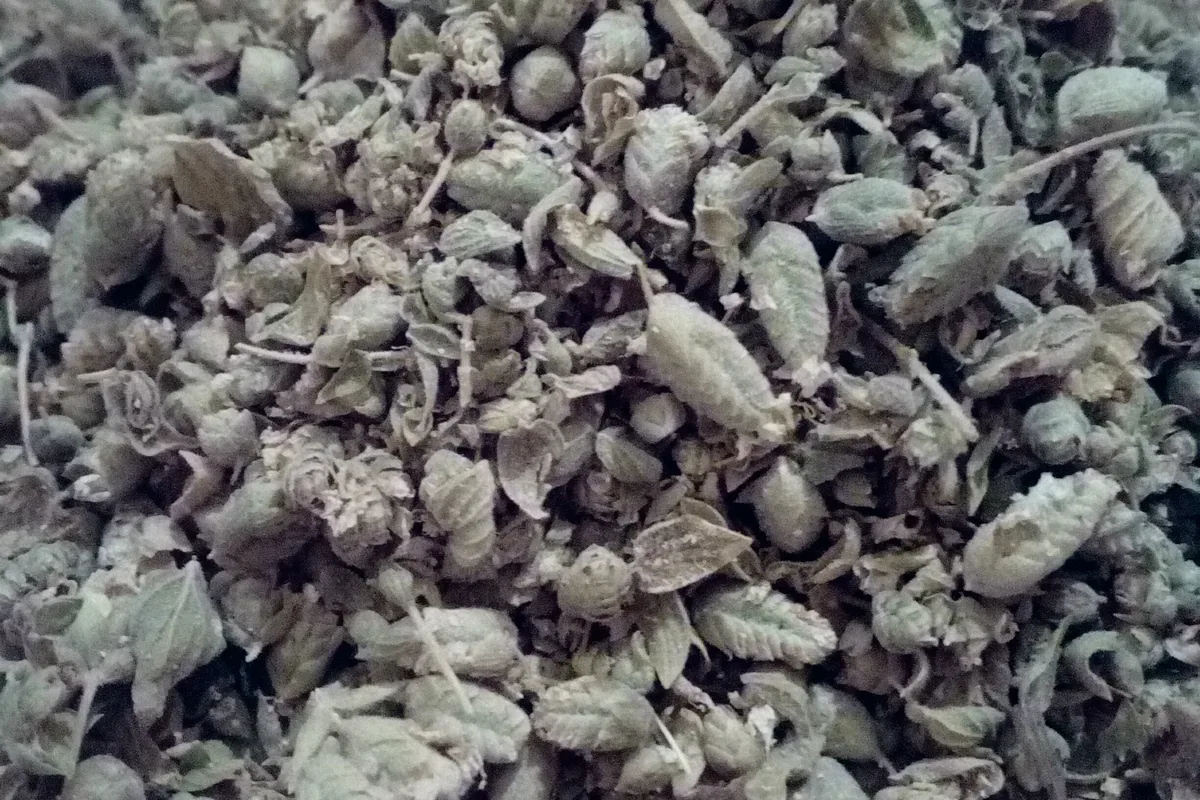
Homemade za’atar recipe
Serves: about ½ cup (enough for 4 flatbreads). Prep: 10 minutes. Cook: about 5 minutes, to toast the sesame. Total: about 15 minutes.
Ingredients
- 3 tbsp dried za’atar herb (Origanum syriacum) if you can find it, or 3 tbsp dried Greek oregano, such as our dried Greek oregano
- 1 tbsp dried thyme (optional, for a more herbal blend)
- 2 tbsp ground sumac
- 2 tbsp sesame seeds
- ½–1 tsp flaky or fine sea salt, such as our Greek sea salt
Method
- Toast the sesame seeds in a dry frying pan over medium-low heat for 3–5 minutes, shaking the pan, until they are pale golden and fragrant. Tip them onto a plate to cool.
- Rub the dried oregano (or za’atar herb) and thyme between your palms, or grind them briefly in a mortar, until finely crumbled but not powdered.
- Mix the herbs with the sumac, cooled sesame seeds and salt. Taste and add more sumac for tang or more salt to your liking.
- Store in a clean, airtight jar away from heat and light.
What is in za’atar?
According to the American University of Beirut’s Nature Conservation Center, za’atar is made from dried herbs, chiefly Origanum syriacum, sometimes with thyme and summer savory, mixed with sesame seeds, sumac and salt. A 2021 scientific review of Origanum syriacum notes that the dried herb is crumbled and blended with sesame, sumac and salt, and eaten with olive oil on a flatbread called man’oushe. Recipes vary from family to family and from country to country, especially in the balance of herb, sumac and sesame.
- The herb: savoury, peppery and slightly minty. It is the backbone of the blend.
- Sumac: the ground dried berries of the sumac shrub (Rhus coriaria). It is deep red and tart, adding a lemony sourness without liquid.
- Sesame seeds: toasted for a nutty crunch.
- Salt: to bring the flavours together.
Using Greek oregano in za’atar
Outside the Middle East, the dried Origanum syriacum herb can be difficult to buy. Its closest everyday relative is oregano, which belongs to the same genus. Dried Greek oregano is a good stand-in because it is strongly aromatic and peppery, closer in character to wild za’atar than milder supermarket oregano. A little dried thyme rounds out the flavour, in the spirit of blends that include thyme or savory. Our Greek vs Italian oregano guide and Greek thyme cooking guide explain those herbs in more detail. To be clear: a blend made with Greek oregano is a homemade approximation, not the traditional Levantine za’atar herb, and it will taste a little different.
How to use za’atar
- Za’atar and oil: mix 2 tbsp za’atar with about ¼ cup olive oil and spread it on flatbread before baking, as for man’oushe.
- Dip: serve a saucer of good extra virgin olive oil next to a saucer of za’atar for dipping bread, much like our olive oil bread dip.
- Labneh or yogurt: sprinkle over strained yogurt with a drizzle of olive oil.
- Roasted vegetables and chickpeas: toss with oil and za’atar before roasting.
- Chicken and eggs: rub on chicken before roasting, or sprinkle over fried eggs.
- Salads: a pinch lifts a tomato and cucumber salad or our Greek chickpea salad.
Za’atar vs Greek seasoning
Both use dried Mediterranean herbs, but they taste quite different. Za’atar is tangy from sumac and nutty from sesame. A Greek seasoning is built on oregano, garlic and pepper, without sumac or sesame. Our Greek seasoning recipe and gyro seasoning are the Greek blends to reach for with souvlaki, potatoes and salads.
Allergens and storage
Za’atar contains sesame, which the US FDA lists as one of the nine major food allergens, so mention it when you serve or gift the blend. Some sesame-free versions simply leave the seeds out. Store homemade za’atar in an airtight jar away from heat, light and moisture. Toasted sesame seeds can turn stale over time, so make small batches and use them within about 3 months for the best flavour. If the herbs smell faint, it is time for a fresh batch.
Find the oregano in our Greek oregano collection and the salt in our Greek sea salt collection, and more herb guides in the pantry guide library.
Sources
- American University of Beirut, Nature Conservation Center: Origanum syriacum (zaatar)
- Origanum syriacum L. (Za’atar), from raw to go: a review. Plants (Basel), 2021 (PubMed Central)
- US FDA: Food allergies, what you need to know (the 9 major food allergens)
Za’atar: frequently asked questions
What is za’atar made of?
Traditionally the dried herb Origanum syriacum mixed with sumac, toasted sesame seeds and salt. Some blends add thyme or savory.
Is za’atar Greek?
No. Za’atar is a Levantine blend from countries such as Lebanon, Syria, Jordan and Palestine. Greek cooking uses the related oregano and thyme in other ways.
Can I make za’atar with regular oregano?
Yes. Dried Greek oregano, with a little thyme, makes a good homemade version when the Levantine herb is hard to find, though the flavour is slightly different.
What does za’atar taste like?
Herbal and peppery from the oregano, tangy from sumac, nutty from sesame, and salty.

Good things from our land, ideas for your table.
Explore the pantry journal →