
Early Harvest Olive Oil: What It Means, How It Tastes and How to Use It
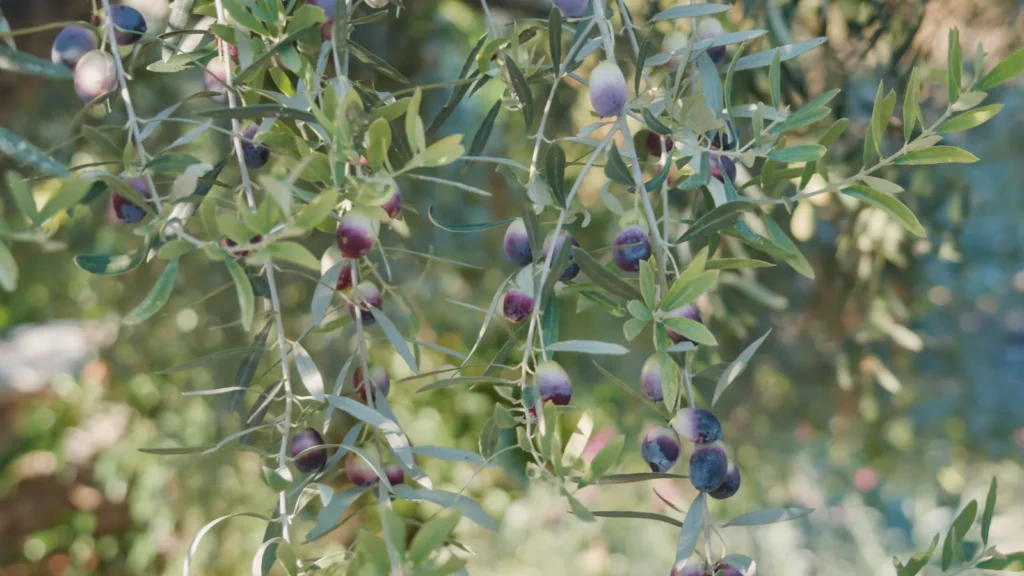

Early harvest olive oil is made from olives picked at the start of the season, while they are still green or just beginning to change colour. In Greece it is often called agourelaio (αγουρέλαιο), from agouros, “unripe”. The result is usually a greener, stronger-tasting oil, made in smaller quantities. Here is what the term does and doesn’t tell you.
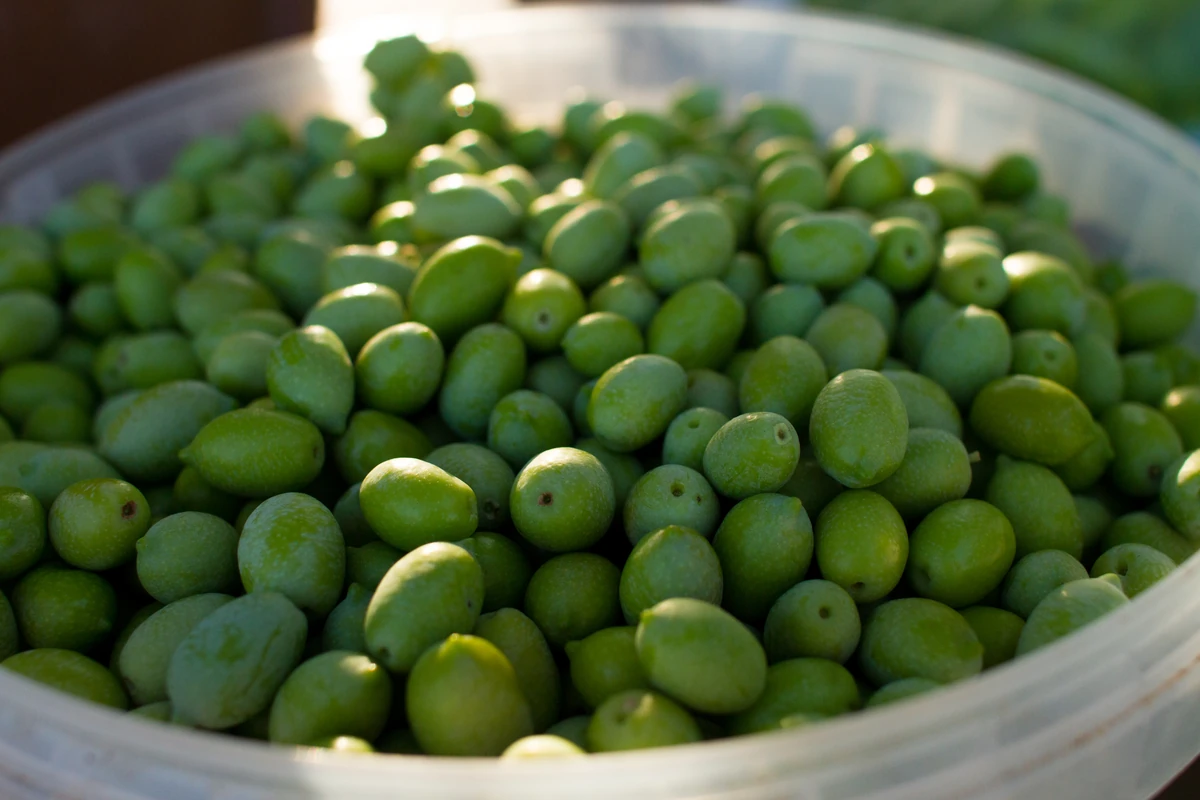
What “early harvest” means
Olives change as they ripen on the tree: from green, through a stage when they turn purple (called veraison, as in the photo above), to black. Growers decide when to pick based on the flavour and yield they want. According to the North American Olive Oil Association (NAOOA), the northern hemisphere harvest, including the Mediterranean, runs from October to the following January, depending on weather, region and variety.
An early harvest oil comes from the first part of that window. The NAOOA explains the trade-off simply: olives picked early or green produce a stronger-tasting oil, olives picked late produce a milder oil, and ripe fruit yields more oil than green fruit.
Is it an official grade?
No. “Early harvest” describes when the olives were picked, not the quality grade. The grades on a label, such as extra virgin and virgin, are assigned by testing the oil against International Olive Council criteria: an extra virgin oil must pass the chemical tests and have no taste defects. An early harvest oil can be extra virgin, and most sold under that name are, but the phrase itself is a description from the producer. Our guide to extra virgin vs virgin olive oil explains the grades.
How early harvest olive oil tastes
| Early harvest | Later harvest | |
|---|---|---|
| Olives | Green to just turning | Riper, turning purple to black |
| Colour of the oil | Often greener | Often more golden |
| Flavour | Stronger: grassy, green, more bitter and peppery | Milder, rounder, fruitier |
| Yield | Lower | Higher |
| Price | Usually higher | Usually lower |
The bitterness and the peppery catch at the back of the throat are normal in fresh, green oils, and many tasters prize them. Colour, though, is not a reliable guide to quality on its own. Producers’ own tasting notes and the harvest date on the label tell you more.
Why it costs more
Because green olives yield less oil than ripe ones, a producer needs more fruit, and often more hand-picking, to fill the same bottle. Early harvest oils are therefore usually made in small batches and sold at a higher price than the same producer’s main harvest oil.
What about polyphenols?
You will often see early harvest oils marketed for their polyphenol content. Polyphenols are natural compounds that contribute to an oil’s bitterness and pungency, and the amount varies with the olive variety, ripeness, processing and storage. Only a laboratory analysis of that specific batch, printed by the producer, tells you the figure for a bottle. We don’t make health claims about olive oil, and you shouldn’t buy a bottle on the strength of one.
How to use early harvest olive oil
Its strong flavour is best where you can taste it, uncooked or added at the end:
- Drizzled over fasolada, lentil soup or horta just before serving.
- On a dakos or a Greek salad.
- In a bread dipping oil with good bread and a pinch of sea salt.
- Over grilled fish, vegetables or warm potatoes.
For frying and long cooking, a milder, less expensive oil makes more sense; the flavour that you paid for fades with heat. See olive oil smoke point for cooking guidance.
Buying and storing
- Look for a harvest date. Early harvest oil is at its most vivid when young. If a bottle doesn’t say “early harvest” or give a harvest date, don’t assume.
- Check the grade and origin. Look for “extra virgin” and, if you want a specific region, a PDO or PGI name such as those in our Cretan olive oil guide.
- Protect it from light and heat. Dark glass or a tin, a closed cap, and a cupboard away from the stove. See tin vs glass bottle and does olive oil go bad?.
Many Greek oils, early harvest or not, are pressed from the Koroneiki variety; read our Koroneiki olive oil guide. Our own Rapti Koroneiki olive oil lists its details on the product page, and you can browse the full Greek olive oil collection.
Sources
- North American Olive Oil Association: Olive oil harvest (how olive oil is made)
- North American Olive Oil Association: Olive oil smoke point
Early harvest olive oil: frequently asked questions
What is early harvest olive oil?
Olive oil pressed from olives picked early in the season, while they are still green or just turning colour. It is usually stronger in flavour and made in smaller amounts.
What is agourelaio?
The Greek name for early harvest olive oil, from agouros, meaning unripe.
Is early harvest olive oil better?
It is different, not automatically better. It tastes greener and more peppery; later harvest oils are milder. Quality depends on the grade, freshness and storage.
Why is early harvest olive oil bitter?
Green olives give oil with more bitterness and pungency. In fresh extra virgin oil these are normal flavour notes, not defects.

Good things from our land, ideas for your table.
Explore the pantry journal →