
Olive Oil Smoke Point: Can You Cook with Extra Virgin Olive Oil?
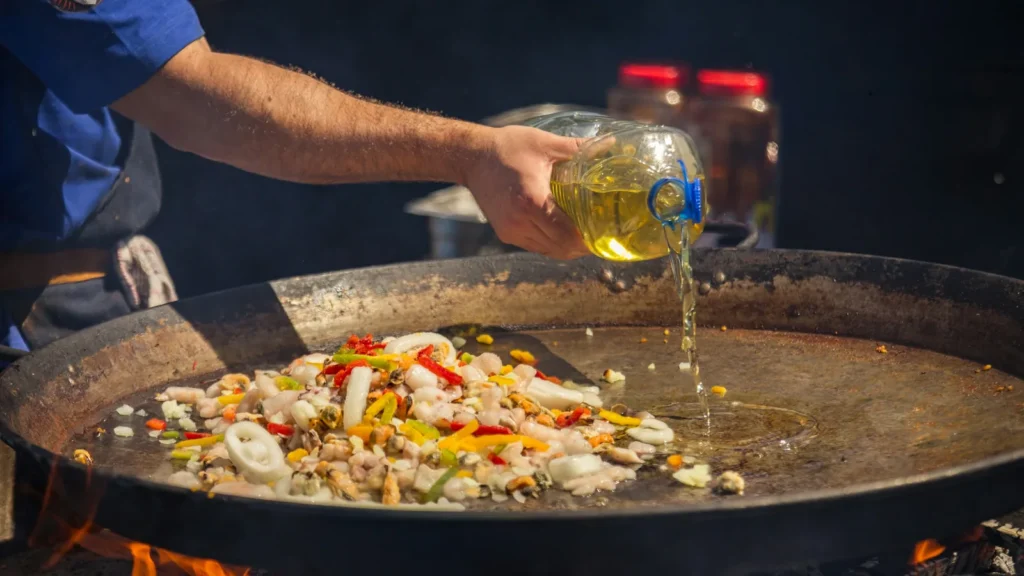
The smoke point of extra virgin olive oil is typically 350–410°F (177–210°C). Refined “olive oil” and light-tasting olive oil are higher, at about 390–468°F (199–242°C). These are the ranges published by the North American Olive Oil Association (NAOOA). Here’s what the numbers mean and how to cook with olive oil at home.
Smoke points at a glance
| Oil | Typical smoke point | Typical uses (NAOOA) |
|---|---|---|
| Extra virgin olive oil | 350–410°F (177–210°C) | Dressing, dipping, sautéing, roasting, baking, pan frying |
| Olive oil and light-tasting olive oil (refined, blended with some virgin oil) | 390–468°F (199–242°C) | General cooking, baking, pan frying, deep frying |
Why it is a range
An oil’s smoke point is linked to its free fatty acids (FFA). Lower acidity usually means a higher smoke point. Extra virgin olive oil can range from about 0.2% FFA up to the 0.8% limit for the grade, so its smoke point varies from bottle to bottle. Refined olive oils have very low FFA, so their smoke points are higher and more consistent. Free acidity is a lab measurement, not a taste; see olive oil acidity is not a sourness score.
Can you cook with extra virgin olive oil?
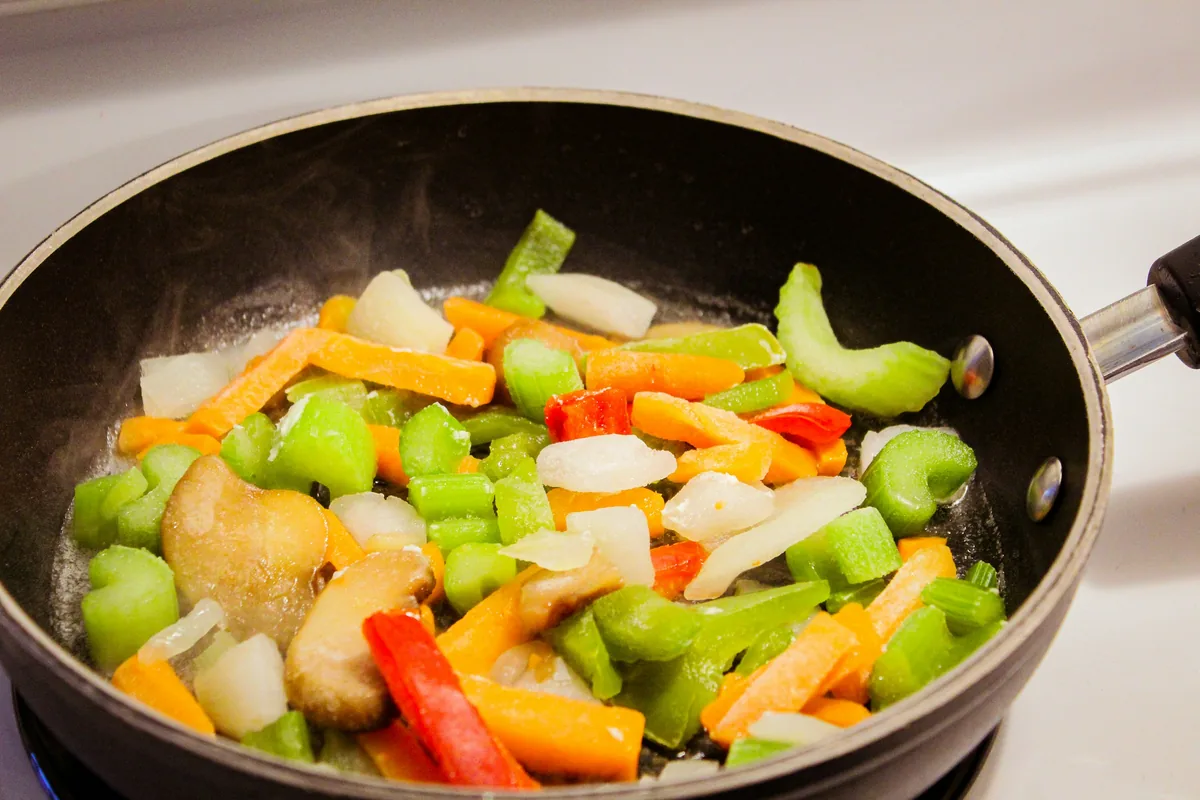
Yes. The NAOOA puts the average stovetop cooking temperature at about 350°F (177°C), within the smoke point range of both extra virgin and refined olive oil. It lists sautéing, grilling, roasting, baking and pan frying as uses for extra virgin olive oil. The association also notes that smoke point alone is not the best measure of how an oil behaves when heated, and that oil in the pan rarely reaches the oven or burner temperature, because the food and its moisture absorb heat. If you are deciding between olive oil and butter in the pan, see olive oil vs butter.
Practical tips for cooking with olive oil
- Heat the pan and oil together over medium heat. Add food when the oil shimmers, before it smokes.
- If the oil smokes, take the pan off the heat, let it cool and start again with fresh oil.
- For roasting, toss vegetables in oil rather than pouring a pool of oil into a very hot tray.
- For deep frying, many cooks choose refined olive oil, which has a higher, more consistent smoke point and costs less. Our guide to extra virgin vs virgin and refined olive oil grades explains the difference. For how olive oil compares with neutral oils such as canola, see olive oil vs vegetable oil.
- Save your best-tasting extra virgin olive oil for finishing, where you taste it most: over beans, soups, salads and grilled fish. Try our Greek salad dressing recipe.
Storing oil you cook with
Heat, light and air change olive oil over time. Keep the bottle closed, away from the stove and out of the sun. A small bottle or a tin you finish within weeks of opening is easier to keep fresh. Read olive oil tin vs glass bottle and Greek olive oil in the everyday kitchen.
Our Rapti Koroneiki extra virgin olive oil (500 ml) is a Messinian oil described as cold pressed. Browse the Greek olive oil collection for more.
Sources
- NAOOA: Olive oil smoke point
- NAOOA: Can I cook with olive oil?
- NAOOA: A consumer’s guide to olive oil (PDF, June 2024)
Olive oil smoke point: frequently asked questions
What is the smoke point of extra virgin olive oil?
Typically 350–410°F (177–210°C), according to the North American Olive Oil Association. It varies with the oil’s free acidity.
What is the smoke point of regular or light olive oil?
Refined olive oil, including light-tasting olive oil, typically smokes at about 390–468°F (199–242°C).
Can you fry with extra virgin olive oil?
Yes, for sautéing and pan frying. Typical stovetop cooking is about 350°F (177°C), within its range. For deep frying, many cooks use refined olive oil.
What should I do if my olive oil starts smoking?
Take the pan off the heat. Let it cool, wipe it out and start again with fresh oil at a lower heat.

Good things from our land, ideas for your table.
Explore the pantry journal →