
Cretan Olive Oil: Koroneiki, PDOs and How to Read the Label
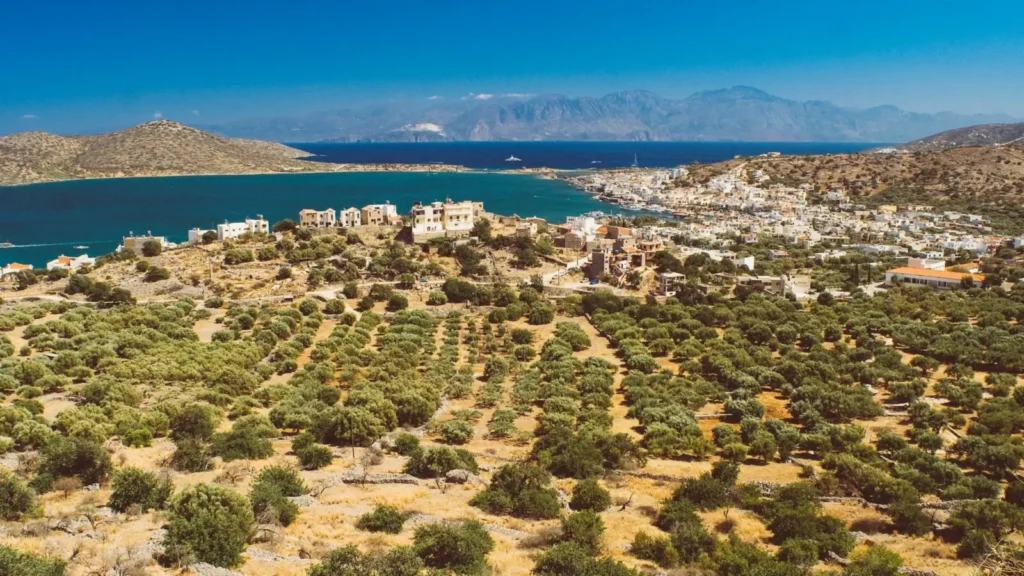
Crete is one of Greece’s best-known olive oil regions. Much of its oil comes from the small Koroneiki olive, and the island has more protected olive oil names than any other part of Greece. This guide explains what “Cretan olive oil” can mean on a label and how to compare bottles.
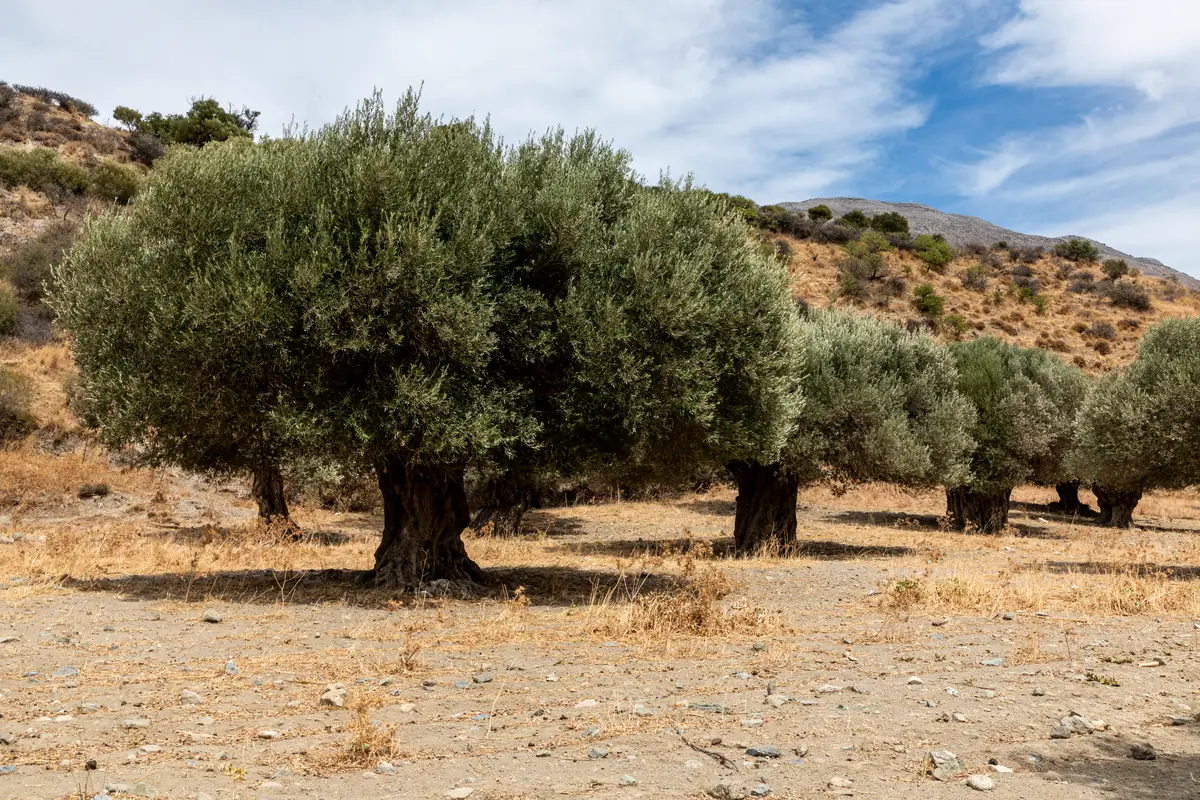
The Koroneiki olive
Koroneiki is a small olive grown widely in Crete and the Peloponnese. Read our guide to Koroneiki olive oil for more on the variety. A Cretan oil may be 100% Koroneiki or a blend, so check the label if the variety matters to you. To taste Cretan-style olive oil at its simplest, make dakos, barley rusks topped with tomato, cheese and a generous pour of oil.
Protected names: PDO and PGI
The EU protects some olive oil names by place. With a PDO (Protected Designation of Origin), every production step happens in the defined area. With a PGI (Protected Geographical Indication), the link to place is real, but not every step has to happen there. Cretan names in the EU register include:
- PDO: Sitia Lasithiou Kritis, Kolymvari Chanion Kritis, Apokoronas Chanion Kritis, Messara, Peza Irakliou Kritis, Arxanes Irakliou Kritis, Viannos Irakliou Kritis, Vorios Mylopotamos Rethymnis Kritis, Selino Kritis and Thrapsano.
- PGI: Chania Kritis, Kritsa, and Kriti (the whole island, registered in 2025).
A bottle that simply says “from Crete” without a PDO or PGI symbol may still be good oil, but the label alone makes a narrower promise.
How to read a Cretan olive oil label
- Grade: extra virgin is the top category. “Pure” or “light” olive oil is a different, refined product.
- Origin: look for the country and any PDO or PGI name and symbol.
- Harvest date or best-before date: see harvest date vs best-before.
- Pack: tins and dark glass protect the oil from light. See tin vs glass bottle.
- Producer: a named estate or cooperative tells you who made it.
Cretan or Peloponnese olive oil?
Both regions grow Koroneiki, so the variety alone won’t tell them apart. Region, producer, harvest and handling all shape the oil. Our olive oil, Rapti Koroneiki olive oil, comes from Messinia in the Peloponnese, not Crete. Compare it with Greek and Italian oils in Greek vs Italian olive oil.
Sources
EU geographical indications register: eAmbrosia. International Olive Council: olive oil categories.
Cretan olive oil: frequently asked questions
What olive is used for Cretan olive oil?
Much Cretan olive oil is made from the Koroneiki olive, a small variety also grown in the Peloponnese. Check the label, because some oils are blends.
What are the PDO olive oils of Crete?
They include Sitia Lasithiou Kritis, Kolymvari Chanion Kritis, Apokoronas Chanion Kritis, Messara, Peza, Arxanes, Viannos, Vorios Mylopotamos, Selino and Thrapsano. Kriti is a PGI covering the whole island.
Is Cretan olive oil better than other Greek olive oil?
Not automatically. Quality depends on the producer, harvest, handling and storage. Compare grade, origin, harvest date and packaging.
Do you sell Cretan olive oil?
Not at the moment. Our olive oil is Rapti Koroneiki olive oil from Messinia in the Peloponnese.

Good things from our land, ideas for your table.
Explore the pantry journal →