
Gigantes Plaki: Greek Baked Giant Beans in Tomato Sauce
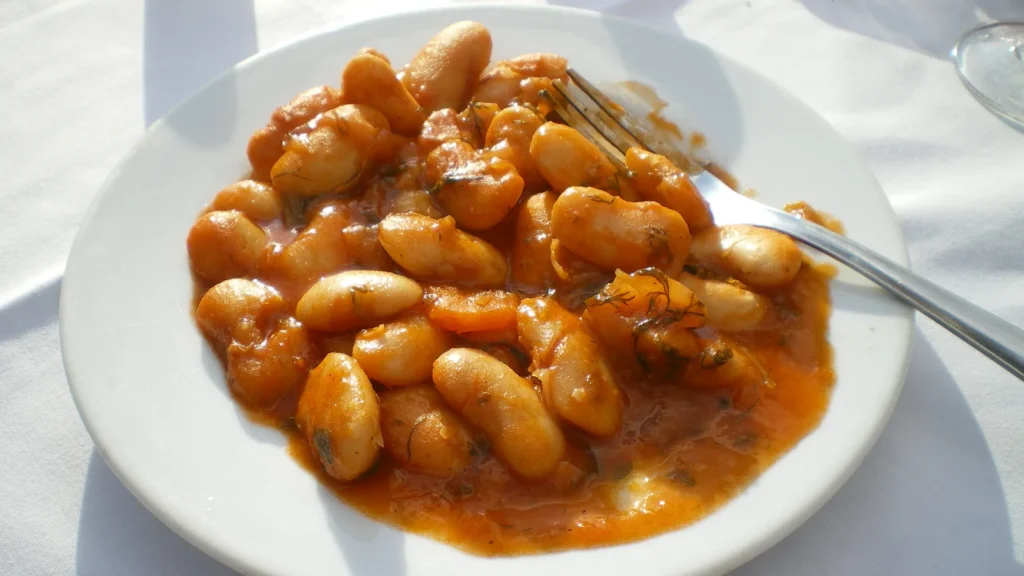

Gigantes plaki are Greek giant beans baked in a thick tomato sauce with onion, herbs and plenty of olive oil. Gigantes means “giants”, and plaki describes a dish baked in the oven in a shallow pan. The beans turn creamy inside while the sauce reduces and caramelises at the edges. They are a favourite mezze in tavernas, a main course with feta and bread, and a classic of the Lenten table.
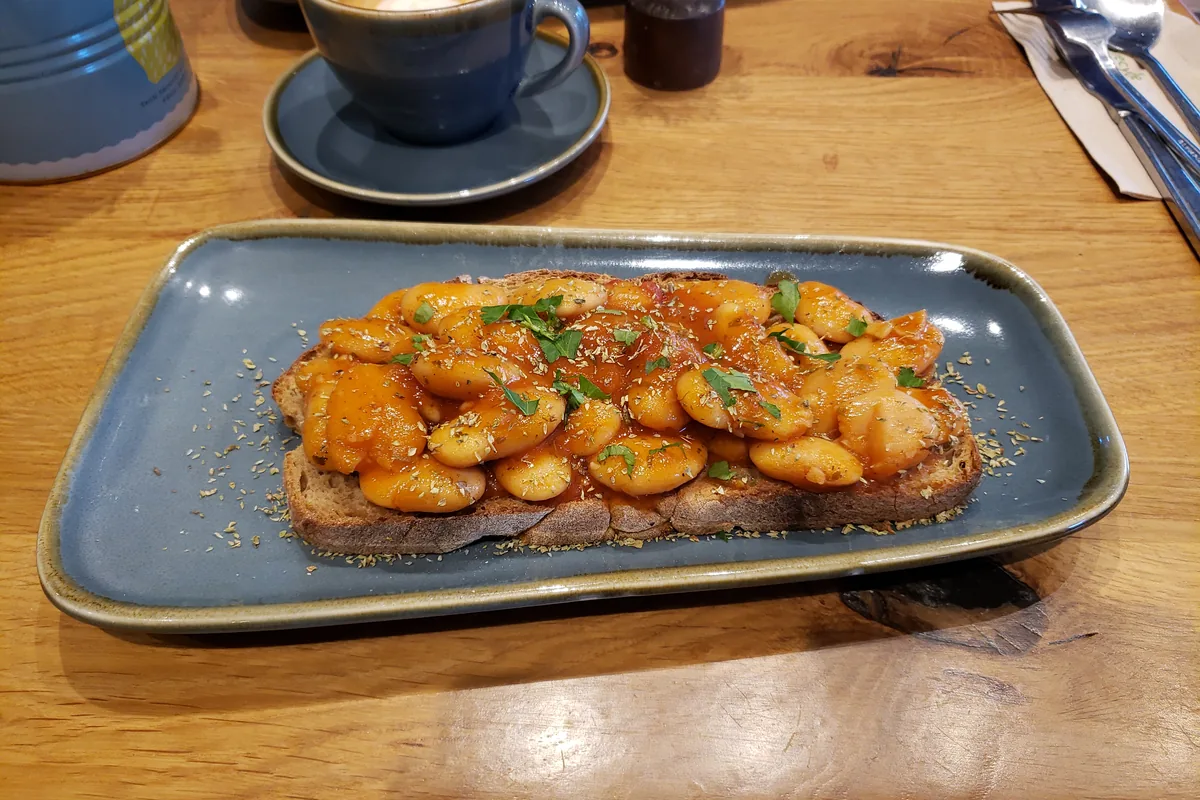
Gigantes plaki recipe (Greek baked giant beans)
Serves: 6 servings. Prep: 20 minutes, plus overnight soaking. Cook: about 2½ hours (simmering and baking). Total: about 3 hours, plus soaking.
Ingredients
- 1 lb (450 g) dried gigantes, or large butter (lima) beans
- ½ cup (120 ml) extra virgin olive oil, such as our Rapti Koroneiki olive oil
- 1 large onion, chopped
- 1 carrot, finely chopped
- 1 celery stick, finely chopped
- 3 garlic cloves, sliced
- 1 can (14 oz / 400 g) chopped tomatoes
- 2 tbsp tomato paste
- 1 tsp sugar (optional)
- 1 tsp dried Greek oregano, such as our dried Greek oregano
- 1 bay leaf
- A large handful of parsley, chopped
- Salt and black pepper
- Feta, to serve (optional)
Method
- Rinse the beans and soak them in plenty of cold water in the fridge for 12 hours or overnight. They will double in size.
- Drain, put them in a large pot with fresh water and the bay leaf, bring to a boil and boil for 10 minutes. Then lower the heat and simmer for 45–60 minutes, until tender but still whole. Drain, keeping 1 cup of the cooking water.
- Heat the oven to 350°F (180°C, 160°C fan). In a frying pan, warm half the olive oil and cook the onion, carrot and celery for 8 minutes until soft. Add the garlic and tomato paste, then the tomatoes, sugar, oregano, salt and pepper, and simmer for 5 minutes.
- Mix the beans with the sauce, half the parsley, the reserved cooking water and the remaining olive oil in a baking dish. The liquid should just cover the beans.
- Bake uncovered for 60–75 minutes, stirring gently once or twice, until the sauce is thick and the top is lightly caramelised. Add a splash of water if it dries out before the beans are creamy.
- Rest for 15 minutes, scatter with the remaining parsley, and serve warm or at room temperature with feta and bread.
What are gigantes beans?
Gigantes are very large white beans. The best-known Greek ones come from around Kastoria in northern Greece. “Fasolia Gigantes-Elefantes Kastorias” has been a protected geographical indication in the EU since 2003, and the registration states that the varieties grown in Kastoria belong to the species Phaseolus coccineus, the runner bean. The UK lists the same name as a protected food name.
Outside Greece, large butter beans or lima beans (Phaseolus lunatus) are the usual substitute. They are a different species and a little smaller and softer, so check them earlier while simmering. Canned butter beans work in a hurry: use three 15-oz (400 g) cans, rinsed, skip steps 1 and 2, and bake for about 40 minutes.
Soaking and cooking dried beans safely
Giant beans need a long soak, ideally overnight in the fridge; North Dakota State University Extension advises refrigerating beans that soak for more than four hours. Raw and undercooked beans contain natural lectins that can cause illness, and Utah State University Extension recommends boiling dry beans for 10 minutes before cooking them in a slow cooker, which may not get hot enough. The boil in step 2 covers this. The beans must be tender all the way through before baking; they will not soften much more in the tomato sauce, as acid slows softening.
Getting the texture right
- Simmer gently. A rolling boil splits the skins. Keep the water just bubbling.
- Test several beans. Sizes vary, so check a few for creaminess before draining.
- Plenty of oil. The olive oil emulsifies with the tomato into a glossy sauce; a fruity Koroneiki olive oil is ideal.
- Rest before serving. The beans absorb more sauce as they cool slightly.
What to serve with gigantes
Serve gigantes plaki with feta, crusty bread, olives and a green salad or a plate of horta. They are also part of a classic mezze spread, alongside tzatziki and dakos. For another bean dish, try fasolada, Greek white bean soup.
Storing leftovers
Refrigerate within 2 hours and use within 3 to 4 days, or freeze for up to 3 to 4 months for best quality, as the USDA advises for leftovers. Reheat in a low oven with a splash of water. Many people prefer them the next day.
Browse our Greek olive oil collection, our Greek oregano and more Greek pantry recipes.
Sources
- EUR-Lex: Commission Regulation (EC) No 1428/2003 registering Fasolia Gigantes-Elefantes Kastorias as a PGI
- GOV.UK: Protected food name, Fasolia Gigantes-Elefantes Kastorias (PGI)
- North Dakota State University Extension: A pocket guide to preparing pulse foods
- Utah State University Extension: Killer kidney beans (cooking dry beans safely)
- Visit Greece: Culinary traditions of Lent (ladera, bean soups, baked giant beans)
- USDA FSIS: Leftovers and food safety
Gigantes plaki: frequently asked questions
What are gigantes beans?
Very large white beans grown in northern Greece. The Kastoria PGI beans belong to the runner bean species, Phaseolus coccineus.
What can I use instead of gigantes beans?
Large butter beans or lima beans are the usual substitute. Canned butter beans also work, with a shorter baking time.
Do gigantes need to be soaked?
Yes. Soak dried gigantes for about 12 hours or overnight in the fridge, then boil them for 10 minutes and simmer until tender before baking.
Is gigantes plaki vegan?
Yes, the traditional recipe contains only beans, vegetables, tomato and olive oil. Serve it without feta to keep it vegan.

Good things from our land, ideas for your table.
Explore the pantry journal →