
Kalamata Olives Nutrition: Calories, Fat and Sodium per Serving
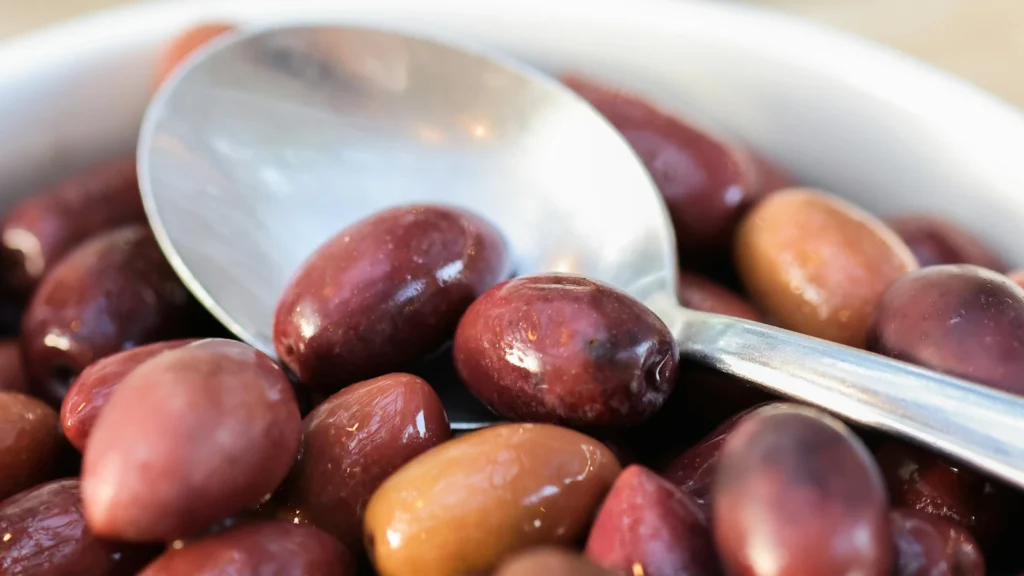
A 15 g serving of Kalamata olives, about 2–4 olives, typically has 25–45 calories, 2.5–4.5 g of fat and 190–320 mg of sodium. These ranges cover seven of the eight Kalamata olive products in the USDA’s FoodData Central database; the eighth lists 15 calories, 1.5 g of fat and 230 mg of sodium per 14 g. Brands differ, mainly because of the brine and any added oil, so the jar’s label is the best guide.
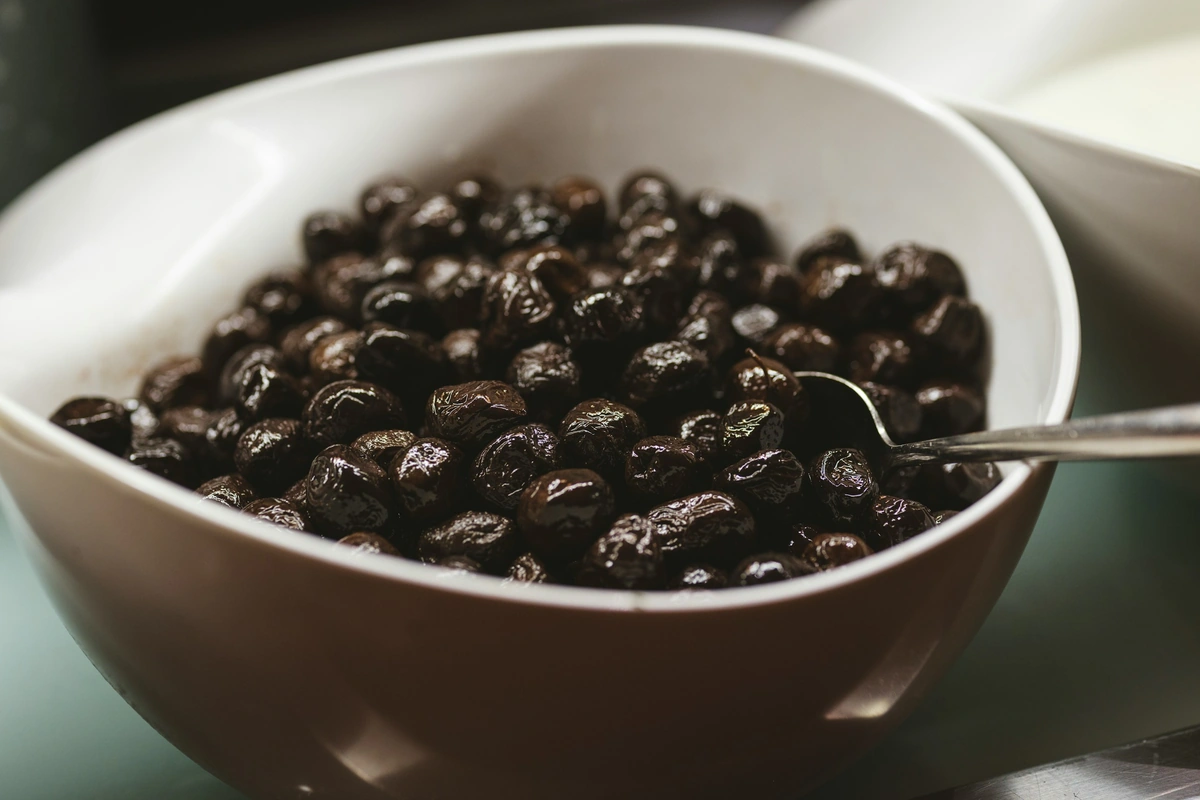
Kalamata olives nutrition by brand
USDA’s generic food tables don’t include Kalamata olives as a separate food. FoodData Central does include Kalamata olives in its Branded Foods data, which records the Nutrition Facts labels of products sold in the US. Here are eight of them, per serving as labelled:
| Product (brand owner) | FDC ID | Serving | Calories | Fat | Sodium |
|---|---|---|---|---|---|
| L and S Packing Co | 2063184 | 15 g | 35 | 2.5 g | 320 mg |
| Rubinelli | 2012889 | 15 g | 35 | 2.5 g | 320 mg |
| Pastore’s | 1859618 | 15 g | 35 | 2.5 g | 320 mg |
| Mario Sardo Sales | 2062944 | 15 g | 25 | 2.5 g | 220 mg |
| Murray’s Products | 2388445 | 15 g | 45 | 4.5 g | 190 mg |
| Russell McCall’s | 1902247 | 15 g | 45 | 4.5 g | 260 mg |
| Food Match | 2339231 | 15 g | 45 | 4.5 g | 190 mg |
| The Silver Palate | 2617003 | 14 g | 15 | 1.5 g | 230 mg |
What the numbers mean
- Calories and fat: olives are a fruit that contains oil, so most of their calories come from fat. Some products are packed with added oil, such as sunflower or canola oil; check the ingredient list.
- Sodium: table olives are cured and stored in brine, so they’re salty. 190–320 mg of sodium per 15 g is 8–14% of the 2,300 mg Daily Value used on US labels.
- Carbohydrate and protein: about 1–2 g of carbohydrate and 0 g of protein per serving on these labels.
Kalamata olives vs black olives
For comparison, USDA’s SR Legacy entry for canned ripe black olives (FDC ID 169094) lists 116 kcal, 10.9 g fat and 735 mg sodium per 100 g. On the labels above, Kalamata products range from about 107 to 300 kcal and about 1,270 to 2,130 mg sodium per 100 g, so many are saltier than canned black olives. Kalamata is a named variety, often cured in brine and wine vinegar, while “black olives” covers several varieties and preparations. See Kalamata olives vs black olives for taste and uses.
Are Kalamata olives good for you?
We stick to what the labels show. Kalamata olives provide mostly fat, little carbohydrate and a fair amount of sodium per serving. Whether they suit your diet depends on how many you eat and on your own needs, especially if you’re watching your salt. For personal advice, ask your doctor or a registered dietitian.
Ways to cut the salt
- Drain the olives well before adding them to a salad. Rinsing them under cold water removes some surface brine.
- Use fewer olives and taste before adding salt to the dish.
- Season the rest of the dish with herbs and lemon, as in our Kalamata olive tapenade recipe.
Our Kalamata olives in a 370 g glass jar carry a label showing whether the olives are whole or pitted, plus the drained weight, ingredients and storage directions. Browse the Kalamata olives collection or plan a simple Greek mezze.
Sources
- USDA FoodData Central: branded Kalamata olives entry (FDC 2063184)
- USDA FoodData Central: branded Kalamata olives entry (FDC 2012889)
- USDA FoodData Central: branded Kalamata olives entry (FDC 1859618)
- USDA FoodData Central: branded Kalamata olives entry (FDC 2062944)
- USDA FoodData Central: branded Kalamata olives entry (FDC 2388445)
- USDA FoodData Central: branded Kalamata olives entry (FDC 1902247)
- USDA FoodData Central: branded Kalamata olives entry (FDC 2339231)
- USDA FoodData Central: branded Kalamata olives entry (FDC 2617003)
- USDA FoodData Central: Olives, ripe, canned (FDC 169094)
- FDA: Daily Value on the Nutrition Facts label
Kalamata olives nutrition: frequently asked questions
How many calories are in Kalamata olives?
On US labels in USDA FoodData Central, a 15 g serving of Kalamata olives (about 2–4 olives) has 25–45 calories.
How much sodium is in Kalamata olives?
Most labels list 190–320 mg of sodium per 15 g serving, 8–14% of the Daily Value.
Are Kalamata olives healthier than black olives?
They’re different products. Many Kalamata olives are saltier than canned black olives per 100 g. Compare the labels of the jars you’re choosing between.
Do Kalamata olives have carbs?
Very few. Labels list about 1–2 g of carbohydrate per 15 g serving.

Good things from our land, ideas for your table.
Explore the pantry journal →