
Extra Virgin vs Virgin Olive Oil (and Light, Pure and Pomace Oil)
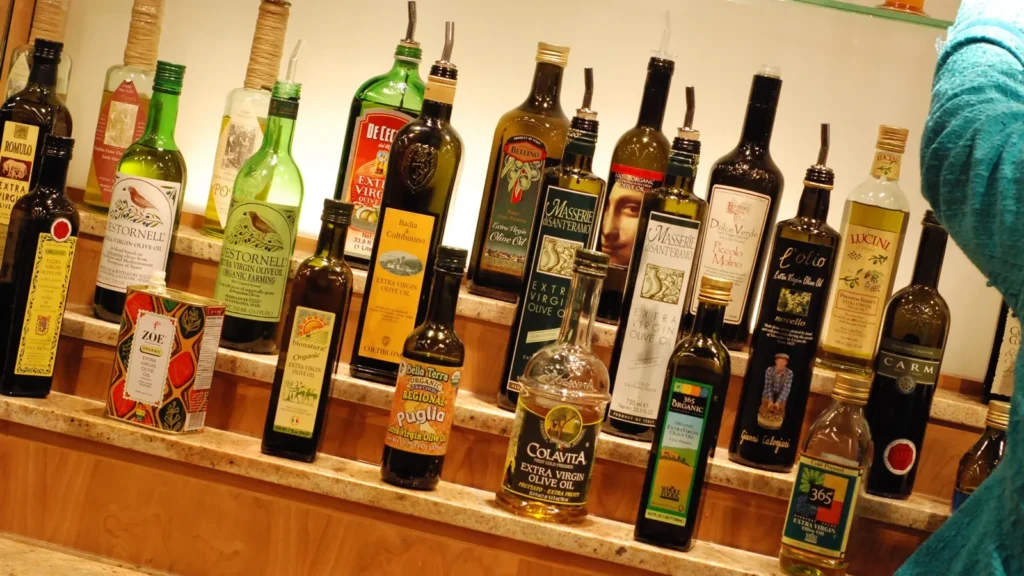

Extra virgin and virgin olive oil are both made only by mechanical means, such as crushing and pressing or centrifuging olives, with no refining. The difference is quality. Extra virgin olive oil must taste and smell fault-free, with some fruitiness, and have free acidity of no more than 0.8%. Virgin olive oil is allowed slight sensory defects and up to 2.0% free acidity. Below those sit refined, “pure” and “light” olive oils and olive-pomace oil. Here’s what each label means.
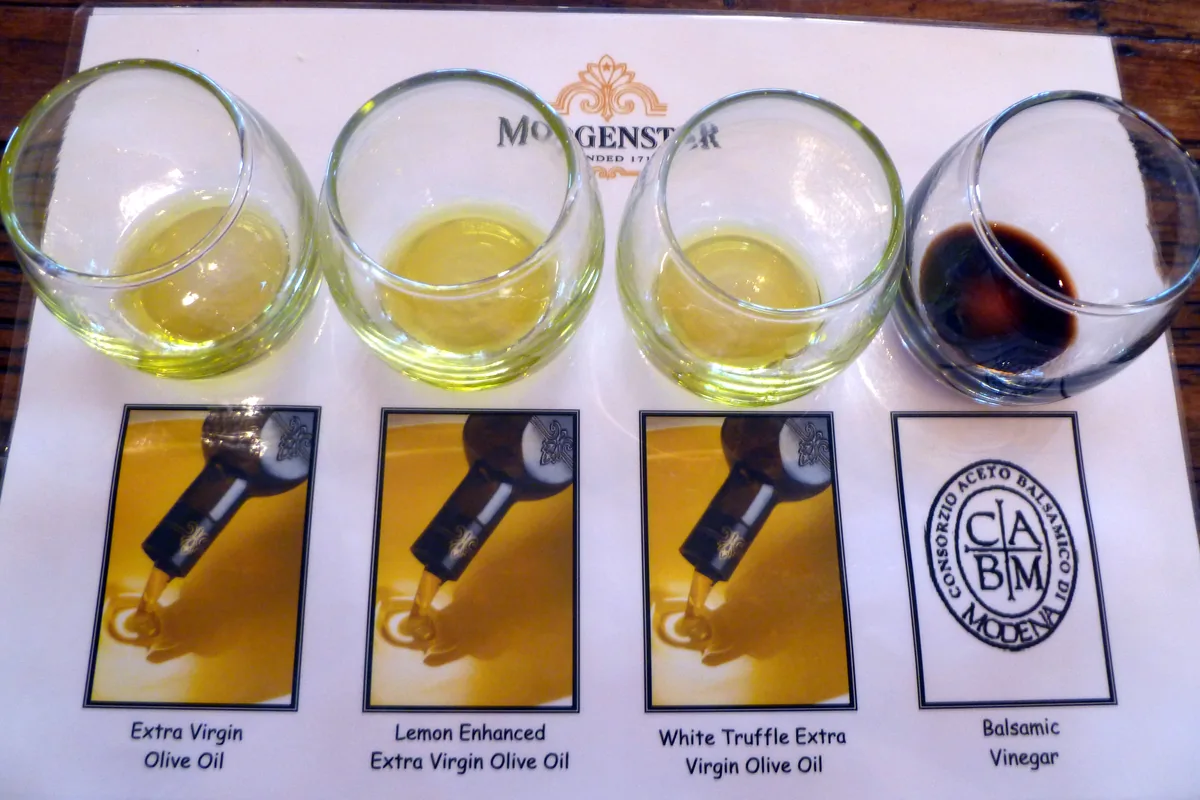
The grades at a glance
| Grade (US name) | How it’s made | Free acidity (max) | Flavour |
|---|---|---|---|
| Extra virgin olive oil | Mechanically extracted, not refined | 0.8 g per 100 g | Excellent: zero defects, some fruitiness |
| Virgin olive oil | Mechanically extracted, not refined | 2.0 g per 100 g | Reasonably good: slight defects allowed |
| Lampante virgin olive oil | Mechanically extracted, but faulty | Over 2.0 g per 100 g | Poor; not fit to eat without refining |
| Refined olive oil | Virgin oil refined to remove faults | 0.3 g per 100 g | Flavourless and odourless |
| Olive oil (often sold as “pure” or “light”) | Blend of refined and virgin olive oils | 1.0 g per 100 g | Mild, with some virgin oil character |
| Olive-pomace oil | Oil extracted from the olive pulp left after pressing, refined and blended | 1.0 g per 100 g | Neutral; can’t be labelled simply “olive oil” |
Extra virgin vs virgin: the real difference
Both oils are, in effect, fresh fruit juice from olives, separated from the water and solids without heat-based refining or solvents. To be graded, an oil is analysed in the lab and tasted by a trained panel. The USDA standard defines extra virgin as having “excellent flavor and odor”: a median of defects of zero and some fruitiness, plus free fatty acids of no more than 0.8 g per 100 g. Virgin olive oil has “reasonably good flavor and odor”, with a defect median up to 2.5, and up to 2.0 g of free fatty acids per 100 g.
In practice, defects are off-notes such as fustiness, mustiness or a winey taste, often caused by damaged fruit or slow processing. Free acidity is a lab measurement, not a taste: you can’t taste 0.5% acidity as sourness. Our guide to choosing Greek olive oil explains why acidity is not a sourness score.
Why you rarely see “virgin” olive oil
In shops in the US and UK, most bottles are either extra virgin or blended “olive oil”. Virgin olive oil is sold, especially in producer countries, but it’s less common on export shelves. If you see it, it’s an unrefined oil with a less perfect flavour, often at a lower price, and fine for everyday cooking.
What about light, pure and refined olive oil?
- Refined olive oil is virgin oil that has been refined to remove defects, leaving it flavourless and odourless. It’s mostly used in blends.
- “Olive oil” or “pure olive oil” is a blend of refined olive oil with some virgin olive oil added for flavour and colour.
- “Light” or “extra light” olive oil refers to a lighter colour and milder flavour, not fewer calories. The North American Olive Oil Association notes that all olive oils have the same fat and calorie content. See olive oil nutrition facts.
- Olive-pomace oil is extracted, usually with solvents, from the olive pulp left after pressing, then refined. It must be labelled as olive-pomace oil, not as olive oil.
Which should you use?
| Use | Good choice |
|---|---|
| Salads, dressings, dipping, finishing | Extra virgin, for flavour |
| Sautéing, roasting, baking | Extra virgin or olive oil |
| Deep frying in large amounts | Olive oil or light-tasting olive oil, which cost less |
| Baking where you want no olive flavour | Light-tasting olive oil |
Extra virgin olive oil is fine for everyday cooking: the NAOOA lists its smoke point at about 350–410°F (177–210°C). See olive oil smoke point for details. Try it raw in our lemon vinaigrette or olive oil bread dip, or baked into an olive oil cake.
Reading the label
- Look for the grade name: “extra virgin olive oil” is the top grade.
- Check the best-by date and choose a bottle you’ll finish within a few months of opening. See does olive oil go bad?
- Dark glass or a tin protects oil from light; see tin vs glass bottle.
- Origin, variety and harvest information are useful extras. Our Rapti Koroneiki extra virgin olive oil comes from Messinia in the Peloponnese and is sold in a 500 ml bottle.
Browse the Greek extra virgin olive oil collection.
Sources
- USDA AMS: Olive oil and olive-pomace oil grades and standards
- NAOOA: A consumer’s guide to olive oil (PDF, June 2024)
Extra virgin vs virgin olive oil: frequently asked questions
What is the difference between extra virgin and virgin olive oil?
Both are unrefined. Extra virgin must have no taste defects, some fruitiness and free acidity of 0.8% or less. Virgin olive oil can have slight defects and up to 2.0% free acidity.
Is light olive oil lower in calories?
No. “Light” describes a lighter colour and milder flavour. All olive oils have about the same calories.
Is pure olive oil the same as extra virgin?
No. “Pure” or plain “olive oil” is a blend of refined olive oil and virgin olive oil. Extra virgin is not refined.
Can you cook with extra virgin olive oil?
Yes. It suits sautéing, roasting and baking. Its smoke point is typically about 350–410°F (177–210°C).

Good things from our land, ideas for your table.
Explore the pantry journal →