
Koroneiki Olive Oil: The Greek Olive Variety Explained
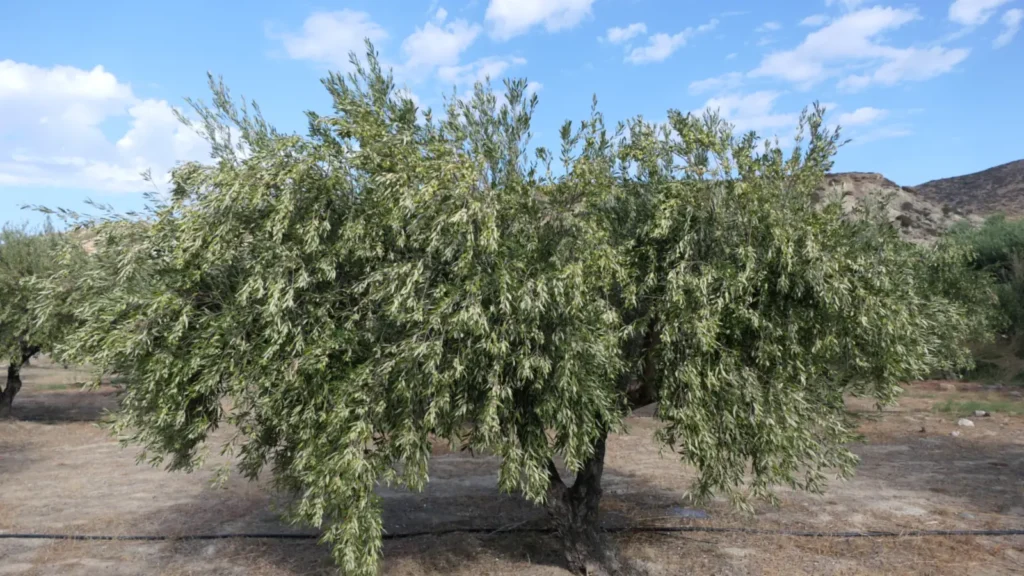

Koroneiki is the olive variety behind much of Greece’s olive oil. If you have bought a bottle of Greek extra virgin olive oil in the US or UK, there is a good chance Koroneiki olives were in it. This guide explains what the variety is, where it grows, what to expect from its oil and how to read a Koroneiki label before you buy.
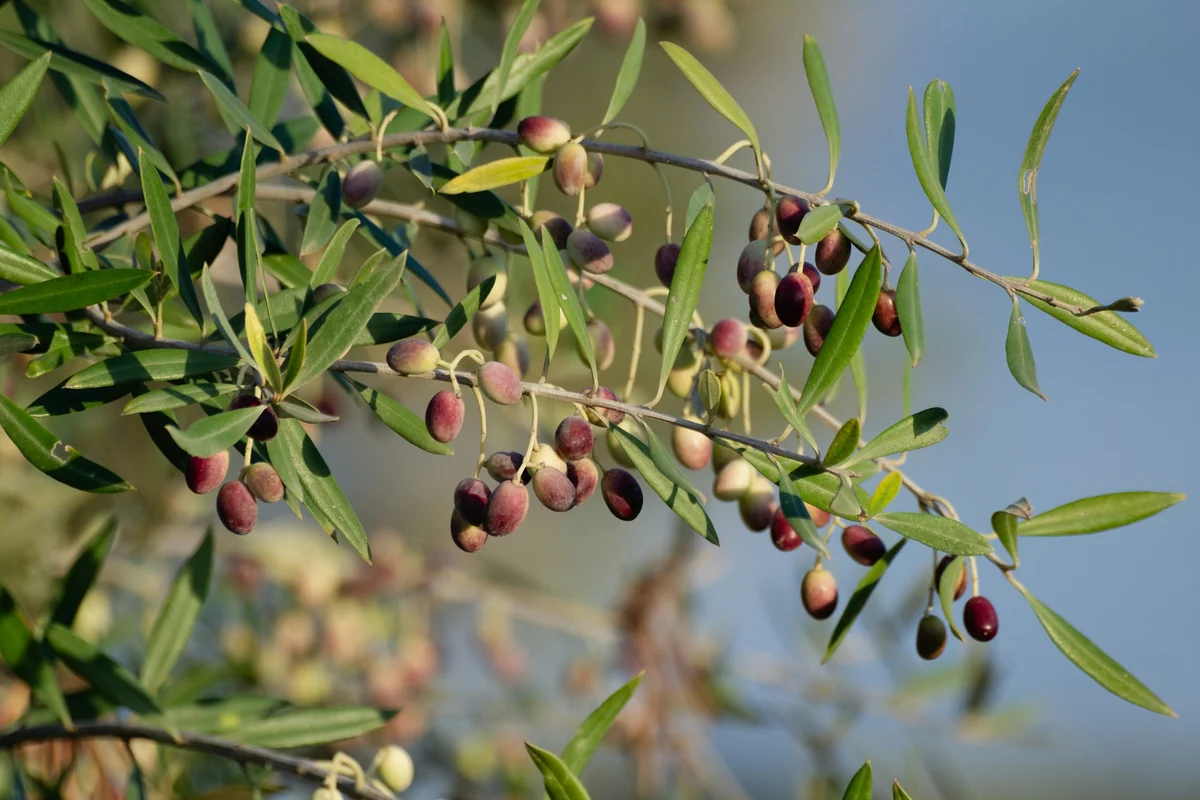
What is Koroneiki olive oil?
Koroneiki olive oil is olive oil pressed from the Koroneiki cultivar, a small-fruited olive that takes its name from Koroni, a town on the coast of Messinia in the southern Peloponnese. It is the most widely planted oil olive in Greece and is grown across Messinia, Laconia and Crete, with plantings in other olive-growing countries too. The fruit is small, so a tree carries many olives, and the variety is valued for producing oil rather than table olives.
“Koroneiki” on a label tells you the olive variety. It does not by itself tell you the grade, the harvest year or the producer. Those details come from the rest of the label, which is why we cover them below.
Where Koroneiki grows
Messinia, around Kalamata and Koroni, is the variety’s home ground, and its groves run from the coast into the hills. Laconia, to the east, and Crete are the other big Koroneiki regions. In Crete, Koroneiki often grows alongside local varieties such as Tsounati. A region on the label gives you a starting point. The producer, the harvest timing and how the oil is handled after milling shape what ends up in the bottle.
What does Koroneiki olive oil taste like?
People usually describe Koroneiki extra virgin olive oil as fresh and green, with a bitter note and a peppery finish in the throat, especially when the oil comes from an early harvest. Oil from riper fruit later in the season tends to be softer and rounder. The variety is also known for oils that are naturally high in polyphenols, the compounds behind that bitterness and pepperiness. Levels vary a lot from oil to oil, so only a lab result for a specific batch can tell you the figure for one bottle. What the label term means is explained in early harvest olive oil.
How to read a Koroneiki label
- Grade: “extra virgin olive oil” is the highest grade and has a legal definition. “Olive oil” without “virgin” is a different, refined blend.
- Variety: “100% Koroneiki” or “single varietal” means one cultivar; a blend may list several.
- Origin: a country, a region such as Messinia, or a protected designation such as PDO Kalamata.
- Harvest or best-before date: olive oil is best used fresh; see our guide to harvest date vs best-before.
- Process words: “cold pressed” and “cold extracted” describe extraction temperature; read cold pressed vs cold extracted olive oil.
- Pack: dark glass or tin protects oil from light; compare in olive oil tin vs glass bottle.
Cooking with Koroneiki olive oil
A robust Koroneiki oil holds its own against strong flavours. Pour it over tomatoes with dried Greek oregano, over warm white beans with lemon, or over grilled vegetables and bread. For everyday sautéing, extra virgin olive oil works well at normal home-cooking temperatures. Keep your freshest bottle for finishing, where you can taste it. For more ideas, see Greek olive oil uses in the everyday kitchen.
Our Koroneiki selection
Our first olive oil is Rapti Koroneiki Olive Oil from Messinia, 500ml. It comes from Rapti estate and is described as cold pressed. You can find it in our Greek extra virgin olive oil collection. You can buy it from the product page or send us a question. For the bigger picture, read how to choose the best Greek olive oil.
Koroneiki olive oil FAQ
Is Koroneiki olive oil always extra virgin?
No. Koroneiki is an olive variety, not a grade. Check the label for “extra virgin olive oil”.
Is Koroneiki the same as Kalamata olive oil?
Not exactly. Kalamata olive oil usually means oil from the Kalamata area of Messinia, and that oil is mostly made from Koroneiki olives. Kalamata olives, the dark table olives, are a different variety. See our Kalamata olives page.
How should I store it?
Keep the bottle closed, in a cool, dark cupboard away from the stove, and use it within a few months of opening.

Good things from our land, ideas for your table.
Explore the pantry journal →