
Greek Easter Food: The Traditional Dishes, Day by Day
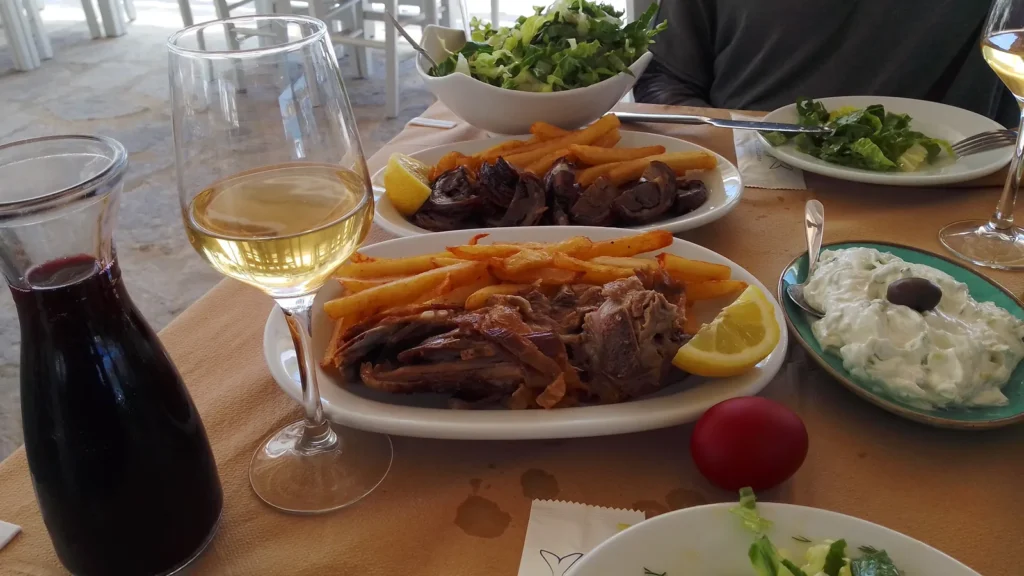

Orthodox Easter (Pascha) is the biggest feast of the Greek year, and food is at the heart of it. After the weeks of Lent, families bake sweet bread and cookies, dye eggs red, and gather for a midnight soup and a long Sunday lunch of roast lamb. Here are the traditional Greek Easter foods, in the order they appear, with recipes you can make at home.
Before Easter: Lent
Greek Orthodox Lent begins on Clean Monday, straight after Carnival. Visit Greece explains that, by religion and tradition, the fast means refraining from all animal products, and describes a Lenten table of salads, fish roe dips, pulses, seafood such as squid and octopus, olive-oil dishes (ladera) and halva. That is why so many Greek dishes, from fasolada to gigantes plaki and taramasalata, are naturally meat-free.
Holy Thursday: tsoureki, cookies and red eggs
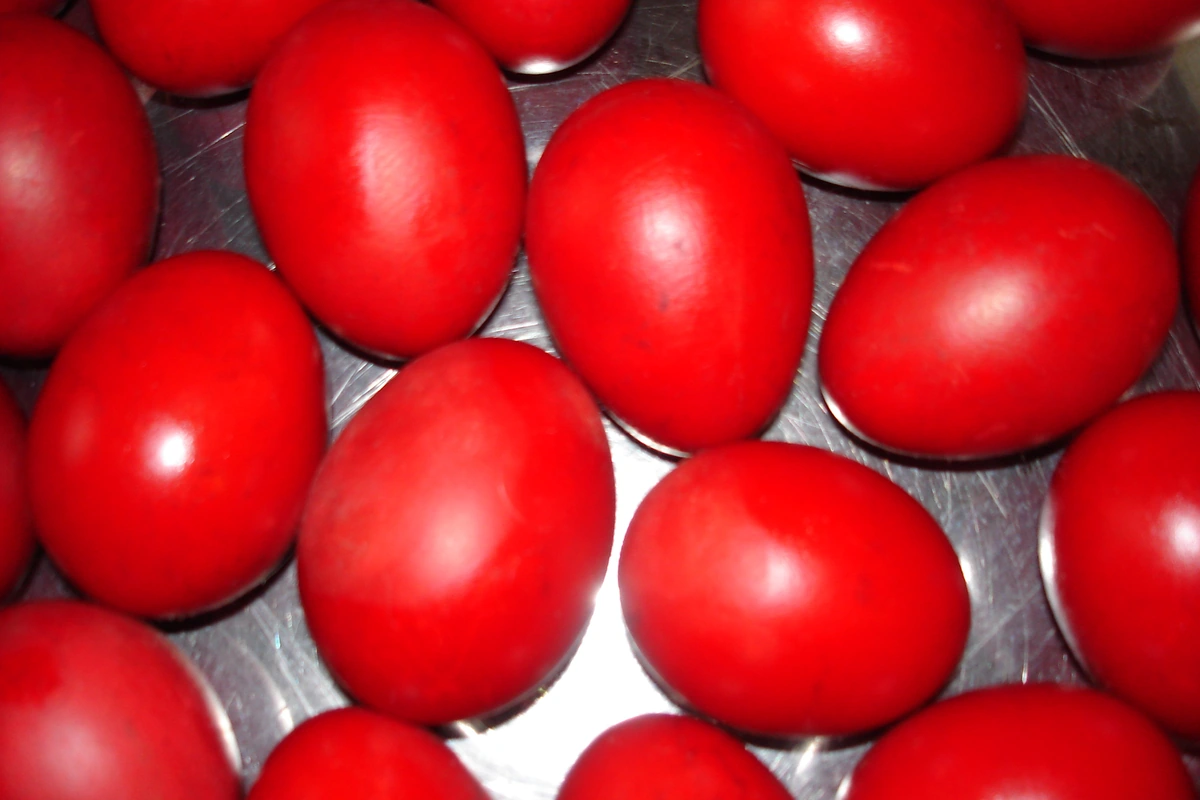
According to Visit Greece, on Holy Thursday home ovens are busy with tsoureki, a fragrant Easter brioche, and lambrokouloura, Easter cookies such as koulourakia. Eggs are boiled and dyed red: Visit Greece explains that the colour symbolises joy at nature’s rebirth and the Resurrection, and the Hellenic Ministry of Foreign Affairs notes that it also stands for the blood of Christ.
Holy Saturday night: magiritsa and the egg game
On Saturday night, families go to church for the Resurrection service. At midnight the priest announces “Christos Anesti” (Christ is risen) and people light candles from the Holy Light. Back home, the fast is broken with magiritsa: a soup made, in Visit Greece’s description, with chopped lamb or kid offal, vegetables and herbs, finished with a creamy egg and lemon sauce. Cretan magiritsa is made lemony with greens and plenty of dill. The same egg-lemon technique is used in avgolemono soup, a gentler choice if offal isn’t for you.
Then comes tsougrisma, the egg-cracking game. Each person holds a red egg and taps it against their neighbour’s, saying “Christos Anesti”; the reply is “Alithos Anesti” (truly He is risen). The person whose egg survives unbroken is the winner.
Easter Sunday: lamb on the spit
On Easter Sunday the smell of roasting lamb fills villages and gardens. Visit Greece says a whole lamb or kid is cooked on a spit over charcoal in many parts of the country, while in other regions it is roasted in the oven. The ministry lists the most typical dishes of the Easter table as spit-roasted lamb, red eggs, tsoureki, magiritsa and kokoretsi, a grilled roll of offal wrapped in intestines. In Crete, lamb is also cooked antikristo, beside an open fire, or with artichokes in avgolemono.
What goes with the lamb
The rest of the table is a feast of meze and sides. A Visit Greece blog post on Easter mentions tzatziki, olives, oven potatoes with citrus and oregano, and spinach and cheese pie. A typical spread might include:
- Tzatziki and Kalamata olives
- Greek lemon potatoes roasted with oregano
- Spanakopita (spinach pie)
- A spring salad of lettuce, spring onion and dill, or a Greek salad
- Horta (boiled greens) with olive oil and lemon
- Bread, cheese and plenty of Greek olive oil
Easter sweets
Sweet tsoureki and koulourakia carry on through Easter week, often with a cup of Greek coffee. Regional sweets join them: in Crete, Visit Greece highlights kalitsounia, small pies filled with sweet mizithra cheese, cinnamon and mastic. For more, see our guide to Greek desserts.
A Greek Easter menu at home
| When | What to make |
|---|---|
| Thursday | Bake tsoureki and koulourakia; dye eggs red |
| Saturday night | Magiritsa, or avgolemono soup; red eggs for tsougrisma |
| Sunday lunch | Roast leg of lamb with garlic, lemon and Greek oregano; lemon potatoes; tzatziki; spanakopita; salad |
| Afterwards | Tsoureki with coffee or honey lemon tea |
If you dye eggs to eat, use food-safe dye, keep the eggs refrigerated and eat them within a few days.
When is Greek Easter?
Easter is a moveable feast. The Orthodox Church calculates it using the Julian calendar, so Greek Easter often falls on a different Sunday from Western Easter, usually a week or more later, and sometimes on the same day.
And at Christmas?
Greek Christmas food has its own traditions: honey-soaked melomakarona and sugar-dusted kourabiedes fill the cookie tins, a decorated Christmas bread called christopsomo is baked in many homes, and on New Year’s Day the vasilopita is cut with its hidden coin. Find more festive breakfasts in our Greek breakfast guide.
Sources
- Visit Greece: Easter in Greece
- Visit Greece blog: A big fat Greek Easter
- Visit Greece: The Cretan Easter feast
- Visit Greece: Culinary traditions of Lent
- Hellenic Ministry of Foreign Affairs (Embassy in Australia): Greek customs, Easter
Greek Easter food: frequently asked questions
What is the traditional Greek Easter meal?
Spit-roasted or oven-roasted lamb or kid on Easter Sunday, with red eggs, tsoureki, salads, tzatziki, potatoes and pies. Magiritsa soup is eaten after the midnight service on Holy Saturday.
Why do Greeks dye eggs red for Easter?
The red colour symbolises joy at the Resurrection and nature’s rebirth, and also the blood of Christ. The eggs are used in the tsougrisma egg-cracking game.
What is magiritsa?
A soup of chopped lamb or kid offal with greens and herbs, finished with egg and lemon sauce. It breaks the Lenten fast after the midnight Resurrection service.
What do Greeks eat on Holy Thursday?
It is a day for baking tsoureki and Easter cookies such as koulourakia, and for dyeing eggs red, rather than for a particular meal.

Good things from our land, ideas for your table.
Explore the pantry journal →