
Lemon Thyme: What It Is, How It Tastes and How to Cook with It
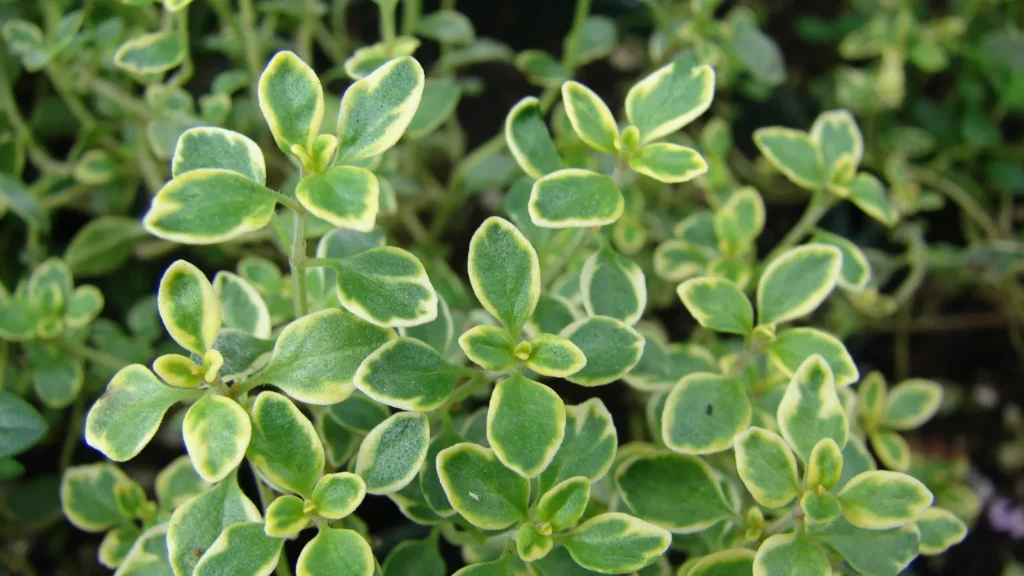

Lemon thyme is a small, bushy thyme whose leaves smell strongly of lemon when you brush them. It tastes like ordinary thyme with a bright citrus note on top, which makes it useful wherever you would reach for both thyme and a squeeze of lemon: fish, chicken, potatoes, dressings and even honey drinks. Here is what it is, how to use it and what to do if you can’t find it.
What is lemon thyme?
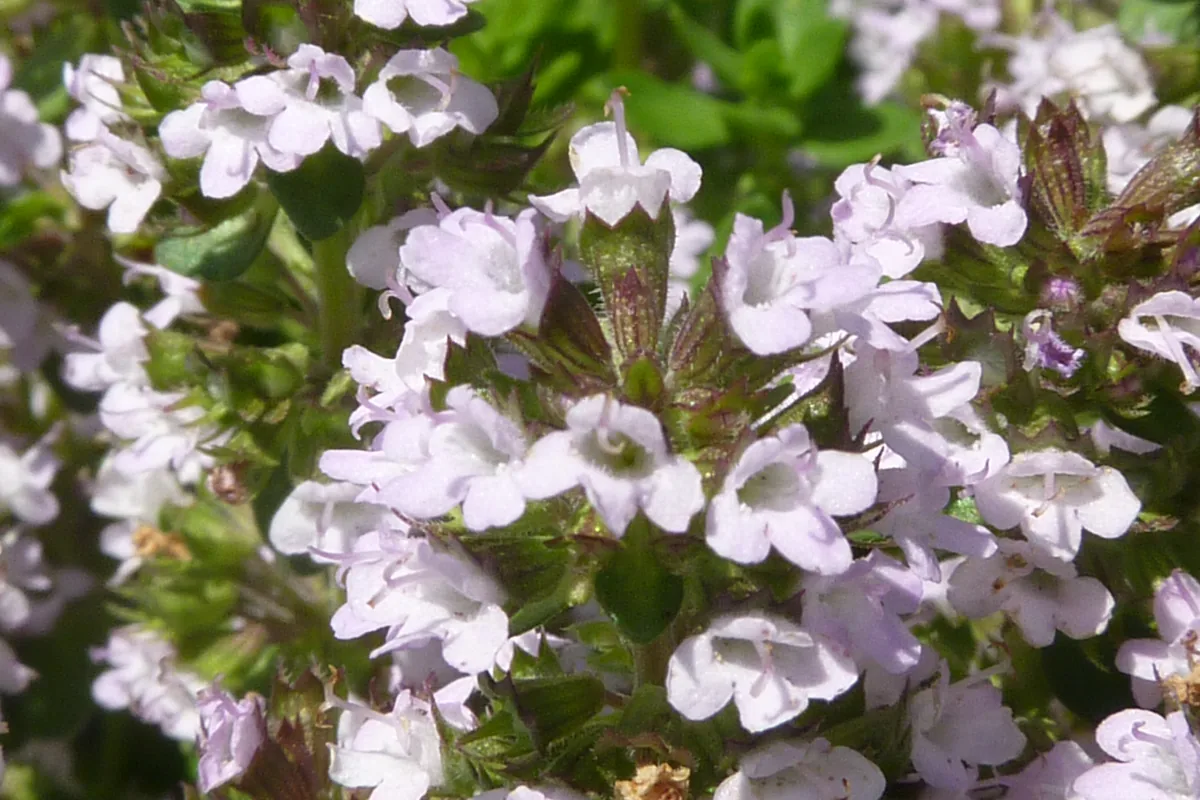
Lemon thyme is usually sold as Thymus × citriodorus (also written Thymus citriodorus). The Royal Horticultural Society (RHS) describes it as a compact, bushy, evergreen shrub with aromatic, edible leaves that carry “a wonderful lemon scent”, followed in summer by clusters of small, mauve-pink flowers, and calls it an excellent culinary herb. The RHS marks the name as ambiguous, because the plant’s exact origin is still debated; the “×” in the name signals that it has long been treated as a hybrid.
NC State Extension lists the leaves and flowers as edible, eaten raw in salads or cooked in various dishes. Some garden varieties have leaves edged in cream or gold, like the variegated plant in the photo above. Those are grown mainly for looks, but the leaves can be used in the same way.
Lemon thyme vs common thyme
| Lemon thyme | Common thyme | |
|---|---|---|
| Botanical name | Thymus × citriodorus | Thymus vulgaris |
| Scent and flavour | Thyme with a clear lemon note | Earthy, savoury, slightly resinous |
| Best used | Fresh, or added towards the end of cooking | Fresh or dried; holds up in long cooking |
| Typical dishes | Fish, chicken, vegetables, dressings, drinks | Stews, roasts, beans, tomato sauces |
In practice, lemon thyme is the gentler, brighter of the two. Ordinary thyme is the better choice for long braises and bean dishes such as fasolada, where its earthy flavour survives hours in the pot. For more on thyme in Greek cooking, read our Greek thyme cooking guide.
How to cook with lemon thyme
The lemon scent is the point, and it is most noticeable when the herb is fresh. Many cooks add lemon thyme near the end of cooking or scatter it over a finished dish, and use ordinary thyme for anything that simmers for a long time. Strip the tiny leaves by running your fingers down the stem against the direction of growth; discard woody stems or tie them in a bundle you can lift out.
- Fish and seafood: tuck sprigs inside a whole fish or scatter leaves over grilled fillets with olive oil.
- Chicken: add a few sprigs to the pan in the last part of roasting Greek lemon chicken, or stir the leaves into a Greek chicken marinade.
- Potatoes and vegetables: toss Greek lemon potatoes or roasted courgettes with fresh leaves just before serving.
- Dressings: whisk chopped leaves into a lemon vinaigrette or a bread dipping oil.
- Salt and seasoning: mix a little dried lemon thyme into homemade lemon salt.
- Sweet things: a sprig steeped in warm honey lemon tea, or a few leaves over Greek yogurt with honey, works surprisingly well.
Lemon thyme substitutes
If you can’t find lemon thyme, the closest home stand-in is ordinary thyme plus a little finely grated lemon zest. As a starting point, for each tablespoon of fresh lemon thyme leaves, use 1 tablespoon of fresh thyme leaves and about ¼ teaspoon of lemon zest, then taste. Lemon zest alone gives the citrus but not the herb; lemon juice adds acidity rather than aroma.
If you only have dried thyme, use less. The National Center for Home Food Preservation notes that dried herbs are usually 3 to 4 times stronger than fresh, so use ¼ to ⅓ of the fresh amount. Our thyme substitutes guide covers oregano, marjoram and other swaps, with amounts.
Growing and drying lemon thyme
Lemon thyme is an easy herb for a sunny windowsill, balcony or garden. The RHS recommends full sun and well-drained, alkaline to neutral soil, and notes that it won’t tolerate wet or waterlogged conditions but does tolerate drought and poor soils. NC State lists it as hardy in USDA zones 5a to 8b. Pick the leaves as you need them; regular trimming keeps the plant bushy.
Thyme is one of the sturdier herbs, which makes it easy to dry: the National Center for Home Food Preservation lists thyme among the herbs that can simply be tied in small bundles and hung to air-dry. The full method, with dehydrator and microwave options, is in our guide to how to dry oregano and thyme.
Is lemon thyme Greek?
Not in particular. Lemon thyme is a garden herb grown in many countries; NC State gives its region of origin simply as Europe. The thyme of the Greek hillsides, the plant behind Greek thyme honey such as our Kalymnos thyme honey, is a different plant. Lemon thyme is still a natural partner for the lemon, olive oil and oregano of Greek home cooking.
Sources
- Royal Horticultural Society: Thymus citriodorus, lemon thyme
- NC State Extension Gardener Plant Toolbox: Thymus x citriodorus
- National Center for Home Food Preservation (University of Georgia): Drying herbs
Lemon thyme: frequently asked questions
What does lemon thyme taste like?
Like common thyme with a clear lemon note. The citrus scent is strongest in fresh leaves and fades with long cooking.
Can I use lemon thyme instead of regular thyme?
Yes, in most recipes. It is milder and more citrusy, so it suits fish, chicken, vegetables and dressings better than long-simmered stews.
What can I use instead of lemon thyme?
Ordinary thyme with a little grated lemon zest: about 1 tablespoon of fresh thyme leaves and ¼ teaspoon of zest for each tablespoon of lemon thyme.
Can you eat lemon thyme flowers?
Yes. NC State Extension lists both the leaves and flowers as edible, raw in salads or cooked.

Good things from our land, ideas for your table.
Explore the pantry journal →