
Lemon Salt: How to Make Lemon Zest Salt at Home
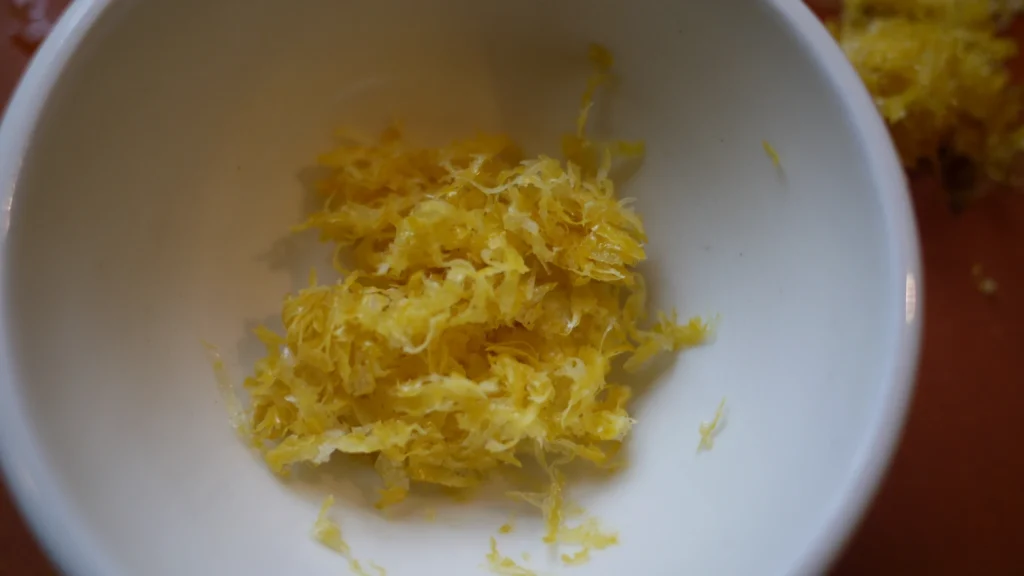

Lemon salt is sea salt rubbed with fresh lemon zest and dried, so the salt holds the lemon’s aroma. A pinch brightens grilled fish, roast potatoes, vegetables and salads in a way that plain salt can’t. It takes two ingredients and 10 minutes of hands-on time, and it makes a good small gift.
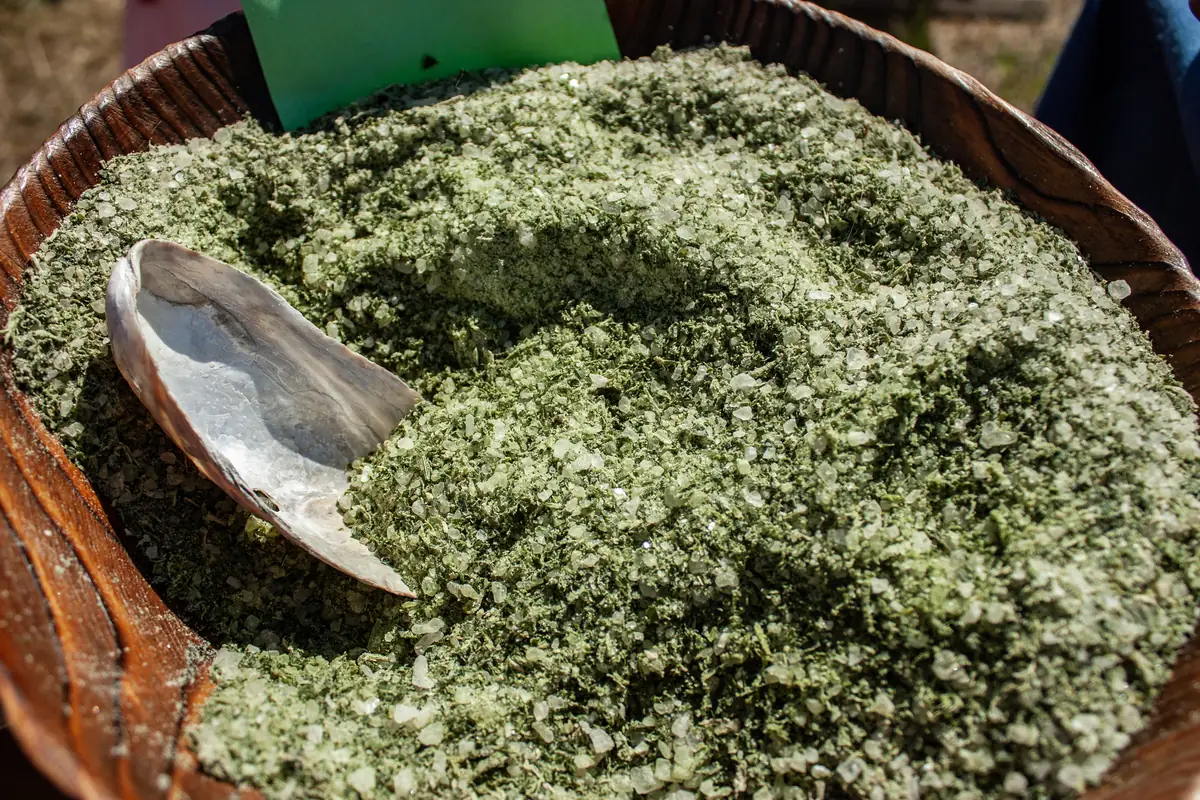
Lemon salt recipe (homemade lemon zest salt)
Serves: about ½ cup (scant 150 g). Prep: 10 minutes. Cook: about 1 hour drying (oven), or 1–2 days air-drying. Total: about 1 hour 10 minutes.
Ingredients
- 2–3 unwaxed lemons
- ½ cup (about 140 g) flaky or coarse sea salt, such as Greek sea salt
- 1 tsp dried Greek oregano or dried thyme (optional)
- A pinch of chili flakes or black pepper (optional)
Method
- Rinse the lemons under running water, rubbing the skin, and dry them completely.
- Finely grate the zest of the lemons, taking only the yellow part, not the bitter white pith. You should have 2–3 tablespoons.
- In a bowl, rub the zest into the salt with your fingertips for a minute, until the salt is fragrant and pale yellow. Add the herbs or spices, if using.
- To dry in the oven: spread the mixture thinly on a baking tray lined with baking paper and dry it at the lowest setting, about 200°F (95°C), for about 1 hour, stirring every 15 minutes, until completely dry. To air-dry: leave it spread out in a dry place for 1–2 days, stirring now and then.
- Let it cool, then break up any clumps with your fingers or pulse it briefly in a spice grinder.
- Store in a clean, dry, airtight jar away from heat and light. Use within a few months for the brightest flavour.
Which salt to use
A flaky or coarse sea salt works best: the crystals carry the zest and give a pleasant crunch when you use lemon salt as a finishing salt. Fine table salt also works, but it dissolves faster and is easier to oversalt with. Our guides to sea salt vs table salt and sea salt flakes vs ground sea salt explain the differences in texture.
Zest only, and dry it fully
Use only the coloured outer layer of the peel, the zest, which holds the aromatic oils; the white pith underneath is bitter. Unwaxed lemons are best. Whatever you buy, rinse and rub the lemons under running water before zesting, as the US FDA recommends for all produce, even produce you plan to peel.
Drying is the step that matters most. Fresh zest contains water, and damp lemon salt will clump and can spoil. Make sure the mixture is completely dry and crumbly before you put it in a jar. If you are not sure, give it another 15 minutes in the oven. Low heat keeps the colour bright; too much heat turns the zest brown.
How to use lemon salt
- Sprinkled over grilled or baked fish and seafood.
- On Greek lemon potatoes or any roast potatoes, just before serving.
- Over sliced tomatoes, cucumbers or a Greek salad.
- On roasted vegetables, avocado or eggs.
- Rubbed onto chicken with olive oil before roasting, as in Greek lemon chicken.
- Mixed into a bread dipping oil or a lemon vinaigrette.
Variations
- Lemon and oregano salt: add 1 tsp dried Greek oregano, in the style of our Greek seasoning.
- Lemon and herb salt: add dried thyme or rosemary.
- Lemon pepper salt: add ½–1 tsp coarsely ground black pepper.
- Other citrus: use orange, lime or grapefruit zest the same way.
It is still salt
Lemon salt adds flavour, but it is salt, so use it in place of ordinary salt rather than as well as it. The US FDA notes that the Daily Value for sodium is less than 2,300 mg a day, about one teaspoon of table salt. A small pinch of flaky salt at the end of cooking goes a long way.
Explore our Greek sea salt collection, read what is fleur de sel?, or find more seasonings in Greek pantry recipes.
Sources
Lemon salt: frequently asked questions
How long does homemade lemon salt last?
Kept completely dry in an airtight jar, it lasts for months, but the lemon aroma is brightest in the first two or three months.
Why is my lemon salt clumping?
It was not dried completely, or it has absorbed moisture. Spread it out and dry it again in a low oven, then store it airtight.
Can I use bottled lemon juice instead of zest?
No. The flavour of lemon salt comes from the aromatic oils in the zest; juice would make the salt wet.
What is lemon salt used for?
As a finishing salt on fish, seafood, potatoes, vegetables, salads, eggs and chicken.

Good things from our land, ideas for your table.
Explore the pantry journal →