
Greek Desserts: 20 Classic Sweets, from Baklava to Spoon Sweets

Greek desserts rest on a short list of pantry ingredients: honey, nuts, sesame, olive oil, dried fruit, semolina and thin phyllo pastry. The Greek National Tourism Organisation describes honey as the oldest sweetener in the Greek diet, and many of the country’s best-known sweets are soaked in a honey or sugar syrup. This guide groups the classics by type, explains what each one is, and links to our recipes so you can make them at home.
Syrup-soaked pastries
These are the sweets you see in the window of every Greek zacharoplasteio (pastry shop). Crisp, buttered pastry and roasted nuts are baked, then drenched in a fragrant syrup. The rule for all of them is the same: one part hot, the other cool, so the syrup soaks in without making the pastry soggy.
- Baklava: layers of phyllo with walnuts or almonds and cinnamon, soaked in a honey-lemon syrup. Our baklava recipe makes a tray of about 30 pieces.
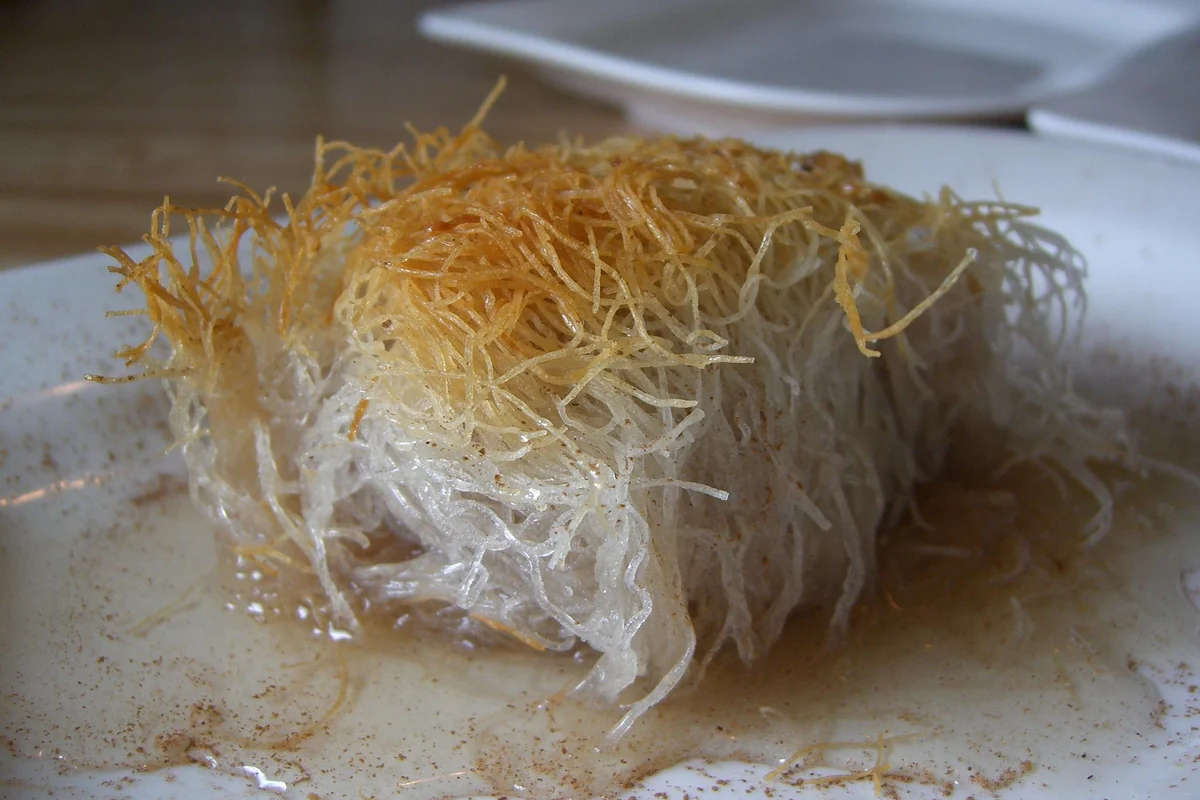
- Kataifi: nuts rolled in shredded, hair-thin pastry, baked until golden and syruped like baklava.
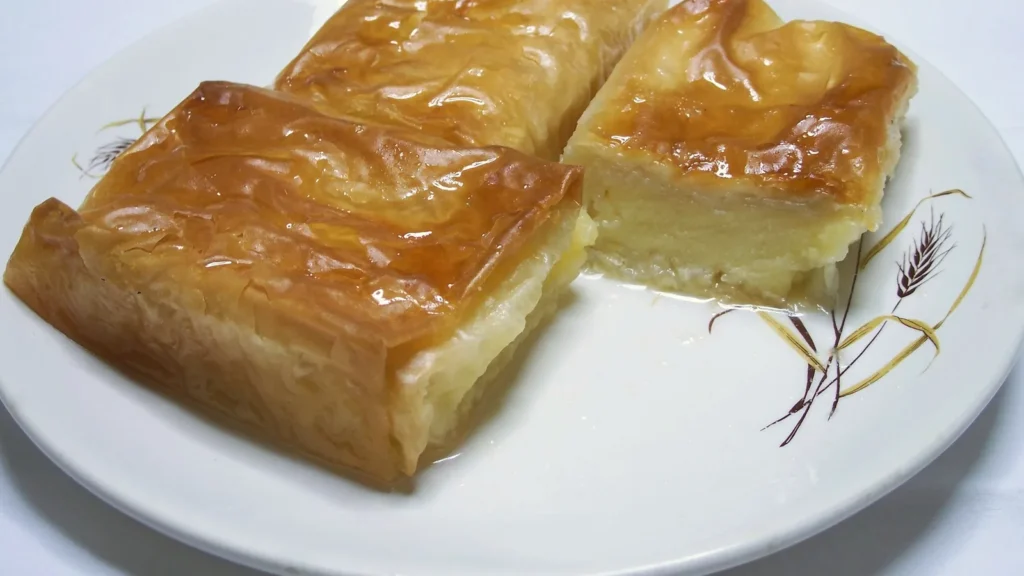
- Galaktoboureko: a set semolina custard baked between sheets of phyllo and finished with syrup, often scented with lemon or orange.
- Ravani (revani): a light semolina sponge cake soaked in syrup, associated with Epirus in northwestern Greece.
- Karydopita: a spiced walnut cake, also syrup-soaked, popular in winter.
Honey cookies and fried sweets
Greek homes bake large batches of cookies for Christmas, Easter and name days, and fried dough sweets are sold hot at festivals. Two festive bakes have their own recipes: vasilopita for New Year and tsoureki for Easter.
| Sweet | What it is | When it is made | Recipe |
|---|---|---|---|
| Melomakarona | Olive oil and orange cookies dipped in honey syrup, topped with walnuts | Christmas | Melomakarona |
| Kourabiedes | Almond butter cookies coated in powdered sugar | Christmas and celebrations | Kourabiedes |
| Koulourakia | Twisted butter cookies brushed with egg, sometimes with sesame | Easter | Koulourakia |
| Loukoumades | Fried yeast-dough puffs with honey and cinnamon | All year, festivals | Loukoumades |
| Diples | Thin sheets of fried pastry folded into shapes, drizzled with honey | Weddings, holidays | – |
Sesame, halva and sweets for Lent
During the 40-day Lent before Orthodox Easter, many Greeks avoid animal products, and the sweets change with them. Visit Greece notes that halva is traditionally served at this time. Tahini halva is made from ground sesame; semolina halva is cooked at home from semolina, olive oil, sugar syrup and raisins, with cinnamon on top. Sesame and honey also make pasteli, a simple sesame bar, and its softer Rhodes cousin melekouni. Because these sweets are made with olive oil instead of butter, melomakarona fit the Christmas fast too. Greek Easter food covers what is eaten when the fast ends.
Spoon sweets and other simple sweets
Glyka tou koutaliou, or spoon sweets, are fruit preserved whole or in pieces in thick syrup and served by the spoonful, traditionally with a glass of cold water and a cup of Greek coffee for guests. Sour cherry, quince, bitter orange, bergamot and fig are common; Visit Greece also lists baby aubergine, cherry tomato and young green walnuts. A spoonful is also lovely on strained yogurt.
- Yogurt with honey: the simplest Greek dessert of all, thick yogurt with honey and walnuts. See our Greek yogurt with honey.
- Ypovrychio: a spoonful of white mastic or vanilla fondant dipped into a glass of ice-cold water, a summer favourite.
- Loukoumi: Greek delight, with Syros famous for it; rose and mastic are classic flavours.
- Dried figs and nuts: often the everyday sweet at the end of a meal. Our dried fig recipes and fig bars use them.
- Olive oil cake: a moist cake made with olive oil instead of butter; try our olive oil cake.
The pantry behind Greek sweets
If you want to bake Greek desserts at home, a few ingredients cover most recipes. A floral honey such as Greek thyme honey carries syrups and toppings; read our Greek thyme honey guide for its flavour, and how to decrystallize honey if your jar has set. A mild, fruity extra virgin olive oil is used in melomakarona, cakes and halva. Walnuts, almonds and sesame do the rest. Our Kalymnos thyme honey is a good place to start.
Allergens and honey safety
Most Greek desserts contain wheat, tree nuts, sesame, milk or eggs. All five are among the nine major food allergens listed by the US FDA, so label sweets clearly when you serve or give them as gifts. Honey should not be given to babies under 12 months old, as the National Honey Board advises.
For more ideas, browse all our Greek pantry recipes, the Greek honey collection and the pantry guide library.
Sources
- Visit Greece (Greek National Tourism Organisation): Greek sweets
- Visit Greece: Culinary traditions of Lent (ladera, bean soups, halva)
- US FDA: Food allergies, what you need to know (the 9 major food allergens)
- National Honey Board: Honey FAQ (infants and honey)
Greek desserts: frequently asked questions
What is the most famous Greek dessert?
Baklava is the best known abroad. In Greece, galaktoboureko, loukoumades and the Christmas cookies melomakarona and kourabiedes are just as loved.
What is a typical Greek dessert after a meal?
At home it is often simple: fruit, yogurt with honey, a spoon sweet or a few dried figs and nuts, rather than a pastry.
Are Greek desserts made with honey?
Many are. Honey or a honey syrup sweetens baklava, melomakarona, loukoumades, pasteli and diples, though some syrups are made mostly with sugar.
Which Greek desserts have no dairy?
Melomakarona, many syrup cakes made with olive oil, semolina halva, pasteli and spoon sweets are traditionally made without butter or milk. Always check the specific recipe.

Good things from our land, ideas for your table.
Explore the pantry journal →