
Sea Salt vs Table Salt vs Kosher Salt: What’s the Difference?
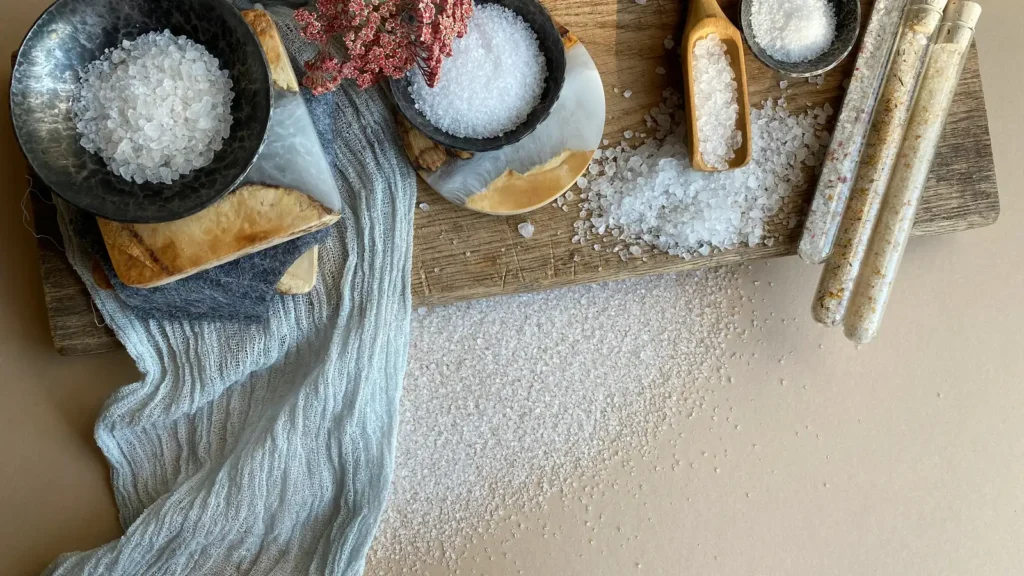
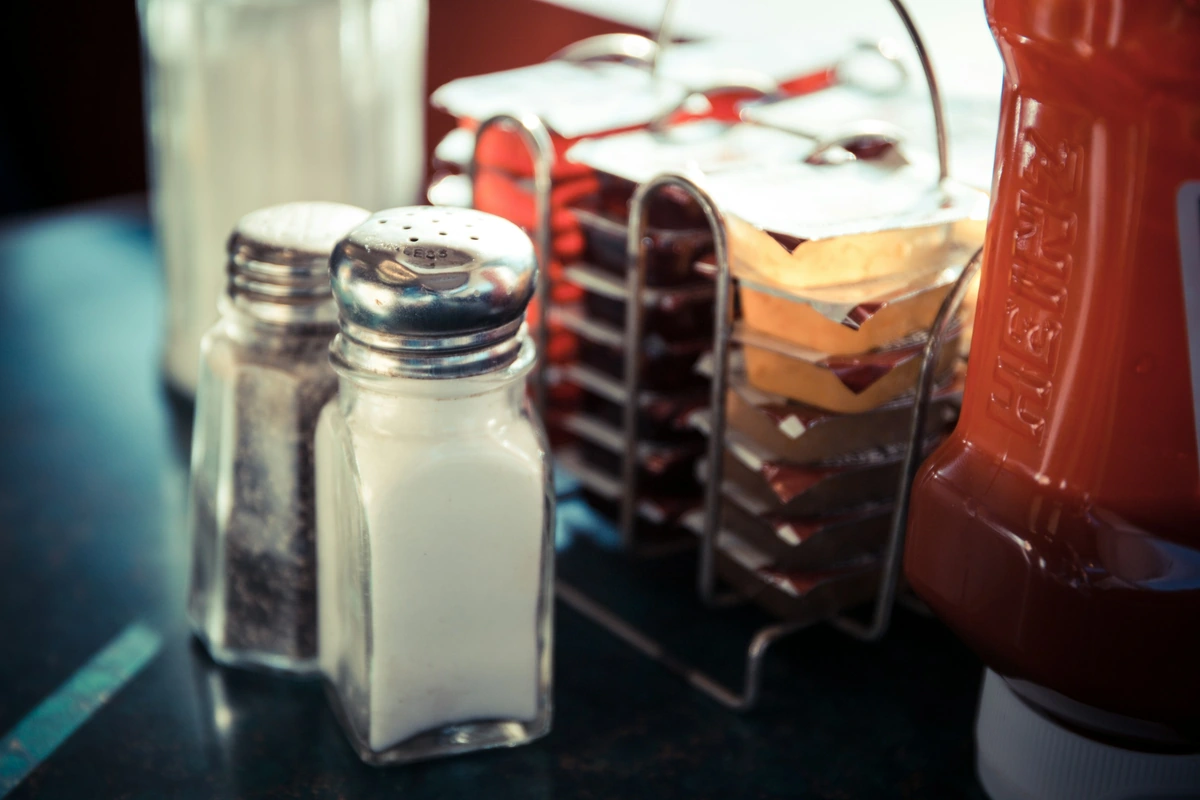
Sea salt comes from evaporated seawater. Table salt is usually mined, finely ground and often iodized. Kosher salt has large, coarse crystals. By weight, all three are about 40% sodium, according to the American Heart Association. The real differences are crystal size, processing, iodine and how they behave in the kitchen.
At a glance
| Sea salt | Table salt | Kosher salt | |
|---|---|---|---|
| Source | Evaporated seawater | Usually mined from salt deposits | Mined or evaporated |
| Crystals | Fine, coarse or flakes | Fine, even grains | Large, coarse or flaky |
| Processing | Usually minimal | Refined; anti-caking agents may be added | Varies by brand |
| Iodine | Not usually iodized | Often iodized (check the label) | Not usually iodized |
| Sodium by weight | About 40% | About 40% | About 40% |
Is sea salt healthier than table salt?
Not in terms of sodium. The American Heart Association says table salt and most sea salts contain about 40% sodium, and that sea salt is not a lower-sodium alternative. Sea salt may keep trace minerals, such as magnesium, potassium and calcium, but the amounts in a pinch are small. What matters most for sodium is how much salt you use overall.
Why a teaspoon of kosher salt is less salty
Crystal size changes how much salt fits in a spoon. The AHA notes that a teaspoon of table salt has about 2,300 mg of sodium, but a teaspoon of coarse sea salt or kosher salt may have less, simply because fewer large crystals fit on the spoon. Weight for weight, the sodium is the same. That’s why recipes written for kosher salt can taste too salty if you use the same spoonful of fine table salt. If you swap, start with less fine salt and taste.
Iodine: the biggest practical difference
In the US, iodine is added to many table salts, labelled “iodized”. The NIH Office of Dietary Supplements says specialty salts, such as sea salt, kosher salt, Himalayan salt and fleur de sel, are not usually iodized, and that non-iodized sea salt provides virtually no iodine. Check the label: it will say if the salt is iodized. If you rely on salt for iodine, ask your doctor whether iodized salt is right for you.
Which salt to use for what
- Baking: fine table salt or fine sea salt, which measure consistently and dissolve evenly.
- Seasoning as you cook: kosher salt or coarse sea salt, which are easy to pinch.
- Pasta water and brines: any inexpensive salt.
- Finishing: sea salt flakes or fleur de sel for crunch and a clean taste. See sea salt flakes vs ground sea salt, what is fleur de sel and fleur de sel vs Maldon.
To flavour sea salt at home, see how to make lemon salt. Our Greek sea salt in a 125 g glass jar is for everyday cooking and a finishing pinch; the jar label lists the salt type. Explore the Greek sea salt collection.
Sources
- American Heart Association: Sea salt vs table salt
- American Heart Association: Sodium sources
- NIH Office of Dietary Supplements: Iodine fact sheet for health professionals
Sea salt vs table salt: frequently asked questions
Does sea salt have less sodium than table salt?
Not by weight. Table salt and most sea salts are about 40% sodium. Coarse sea salt can have less sodium per teaspoon only because fewer crystals fit in the spoon.
What is the difference between kosher salt and sea salt?
Kosher salt is named for its large, coarse crystals and may be mined or evaporated. Sea salt comes from evaporated seawater and can be fine, coarse or flaky. Both are about 40% sodium by weight.
Is sea salt iodized?
Usually not. Most sea salts, kosher salts and fleur de sel are not iodized. The label says if a salt is iodized.
Can I use sea salt instead of table salt in baking?
Yes, if it’s finely ground. Coarse sea salt measures differently by the spoon, so weigh it or start with less and taste.

Good things from our land, ideas for your table.
Explore the pantry journal →