
Greek Mountain Tea Species on the Label: Reading Sideritis Names
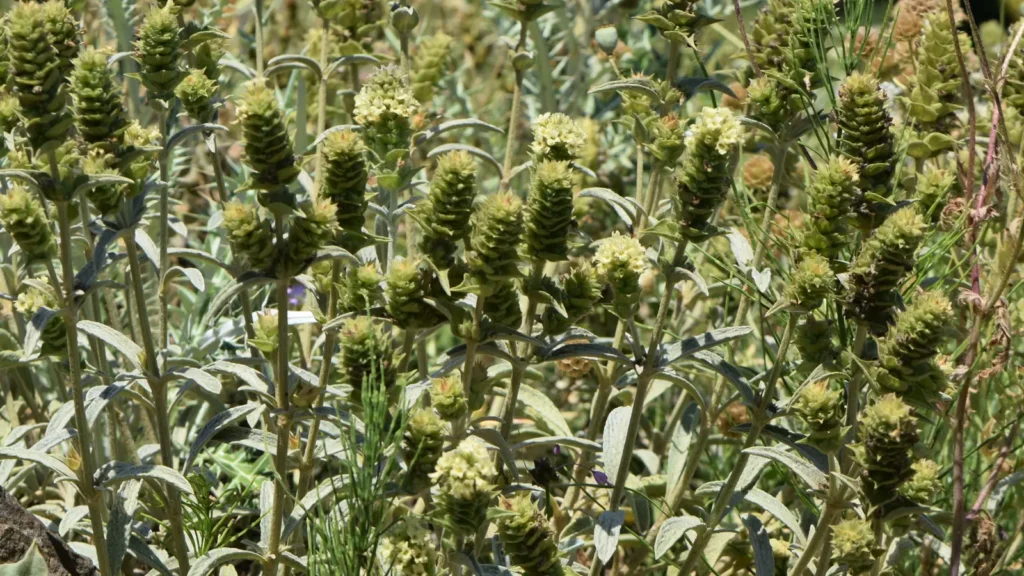

A Greek mountain tea label may give the familiar name, “Sideritis,” or a fuller botanical name such as Sideritis scardica. Those words provide different levels of information. Understanding the difference helps you compare packs without assuming that every mountain tea is botanically identical.
Read the species name alongside origin, ingredients and format. Each answers a separate question about what you are choosing, and none needs to become a promise about how the cup will taste or what it will do.
Start with genus and species
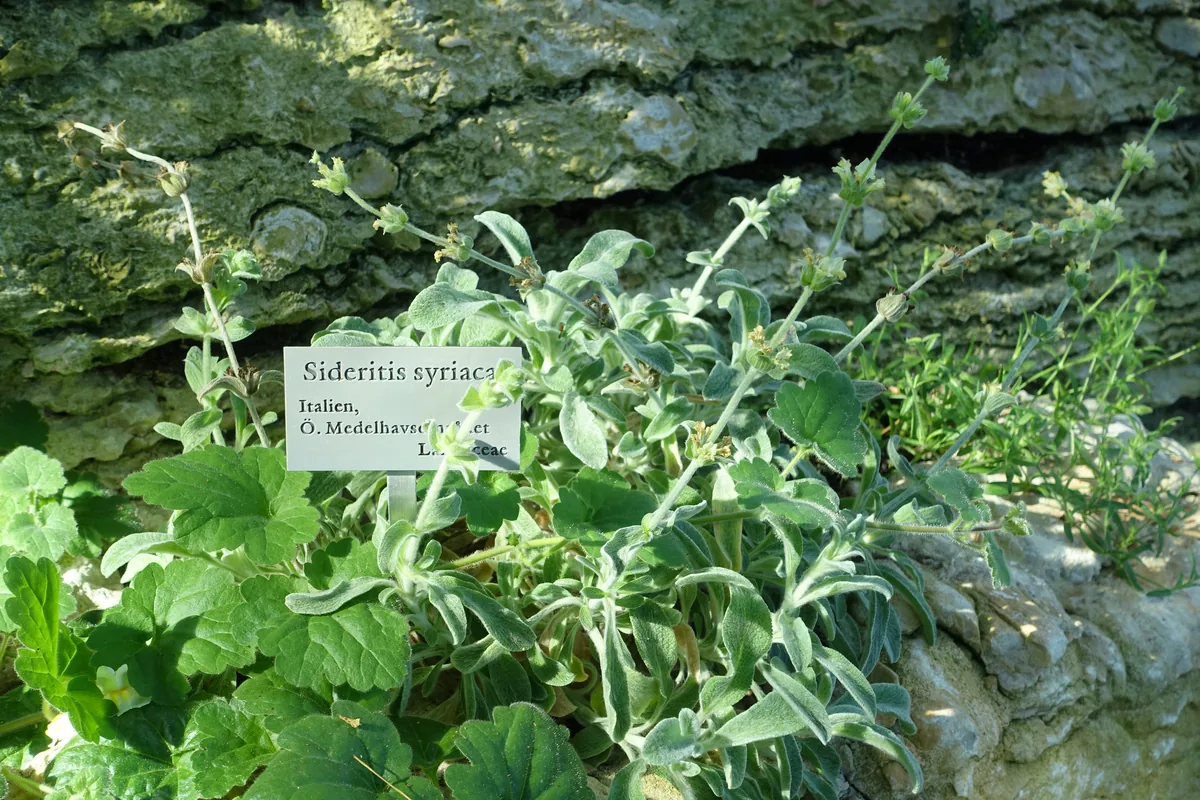
In Sideritis scardica, Sideritis is the genus and scardica identifies the species. Royal Botanic Gardens, Kew lists Sideritis scardica as an accepted species. The European Environment Agency’s EUNIS classification likewise places it in the genus Sideritis.
A label that says only Sideritis gives the genus, without the same species-level detail. That is useful information, but it does not tell you which species the producer used. Do not fill in the second word yourself.
The botanical name is a way to identify the plant more precisely. It is not a quality grade, and a longer name does not automatically make one pack better than another.
See how a producer separates the details
My Land provides an example by naming Sideritis scardica on its mountain tea bag page. It separately describes the declared origin and the sachet format. This makes it possible to read botanical identity, geographical description and presentation as distinct pieces of information.
That example establishes what the producer says about that product. It does not establish the species, origin or format of another brand’s tea. A similar photograph or a shared mountain-tea name is not enough to transfer the details.
When comparing two packs, copy their wording accurately. “Sideritis” and “Sideritis scardica” are different entries in your notes, even if both appear under a Greek mountain tea heading.
Origin is another question
A botanical name identifies a plant; the origin statement tells you where the product is said to come from. A regional name on the front can be appealing, but you still need to read the producer’s declared origin.
Do not infer an exact mountain, elevation or farm from the species name. Those details need their own information. Equally, knowing a region does not supply a missing species name.
This separation helps you ask a clear question when a label is incomplete. You can ask for the botanical species without suggesting that the declared origin is wrong.
Check whether it is one herb or a blend
Read the full ingredients. A product may contain one herb or combine it with other ingredients. A mountain-tea name prominently displayed on a blend does not answer the composition question on its own.
Record what is actually stated and keep any product-specific caffeine description separate. This article does not derive the complete contents or suitability of a blend from the word Sideritis.
If the description and pack appear to disagree, ask the producer to clarify the exact product rather than resolving the conflict by guessing from an image.
Format still affects the brewing instructions
Whole stems, cut herb and tea bags are presentation choices. A species name does not tell you how much to use, whether to steep or simmer, or when to strain. Follow the preparation directions supplied for the particular pack.
Do not substitute a generic stem count for a producer’s measured dose without acknowledging the difference. Pieces vary in size, and a preportioned bag is a different measuring format from a loose bundle.
Our Greek mountain tea guide gives the broader introduction to the herb and preparation. Keep that general guide alongside the specific pack’s instructions.
Save a simple label record
Write down the common name, botanical wording exactly as given, declared origin, ingredients, format and brewing directions. Include the producer and product variant so you can find the same information again.
Leave a blank where a detail is missing. This is more useful than completing the label from a different producer’s page. It also makes a follow-up question short and precise.
You can then compare what you enjoyed about the cup without pretending to identify the species from taste alone. Your preference is a valuable observation; botanical identification is a separate claim.
Choose clarity over guesswork
A species name can make a mountain-tea label more informative. It does not certify the finished product or establish that every serving tastes the same. Read it as one part of a clear description.
Explore the Greek mountain tea collection and check the details supplied for the pack you choose. The best label-reading habit is straightforward: keep plant identity, origin and preparation together, while allowing each to answer its own question.
Related guides and sources
A botanical name identifies a different detail from a pack’s presentation. Read about whole stems, leaves and flowers, then use our mountain tea brewing guide with the producer’s method. For a related but separate herb, explore thyme in cooking.
Royal Botanic Gardens, Kew: Sideritis scardica
European Environment Agency EUNIS: Sideritis scardica
My Land: mountain tea bag product information
Continue exploring this ingredient
Browse the mountain tea guide library, then explore Planning Pot and Cup Capacity for Mountain Tea Service and How to Describe Mountain Tea Clearly on a Menu. For a named producer and pack, see Olympus Cooperative Greek Mountain Tea — 40g.

Good things from our land, ideas for your table.
Explore the pantry journal →