
Greek Mountain Tea Flowers, Leaves and Stems: What Is in the Bag?
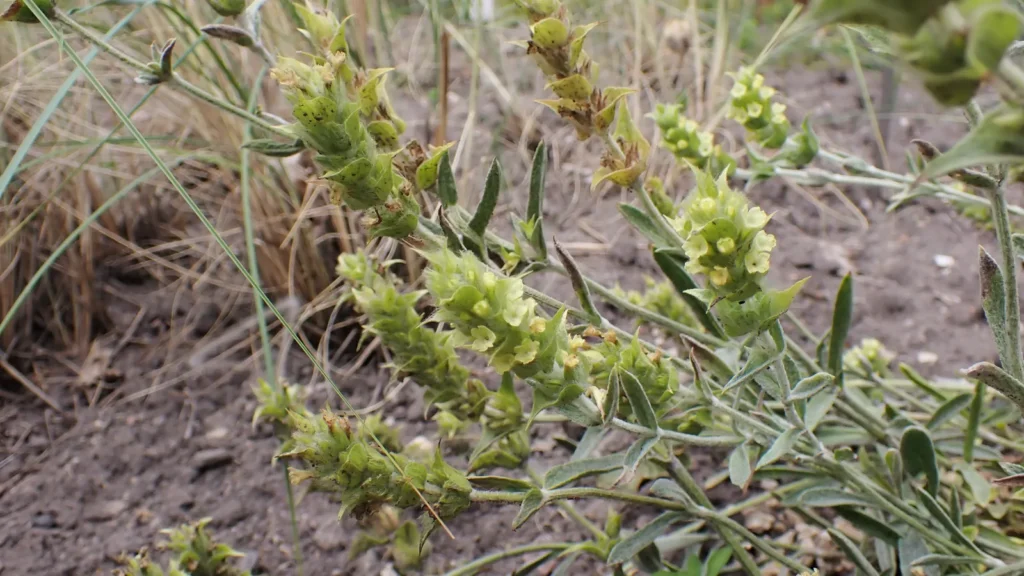

A bag of Greek mountain tea may look more like a small bunch of dried plants than a jar of loose leaves. Flowers, leaves and stems can appear together on flowering sprigs. Another pack may contain short cut pieces, while a third may highlight selected flowers. Before removing anything, find out what the producer intended you to use.
The useful question is not which part looks most like familiar tea. It is which plant parts your pack contains, whether they are supplied whole or cut, and how its instructions ask you to prepare them. This guide focuses on those decisions; our first-cup mountain tea guide covers the wider brewing process.
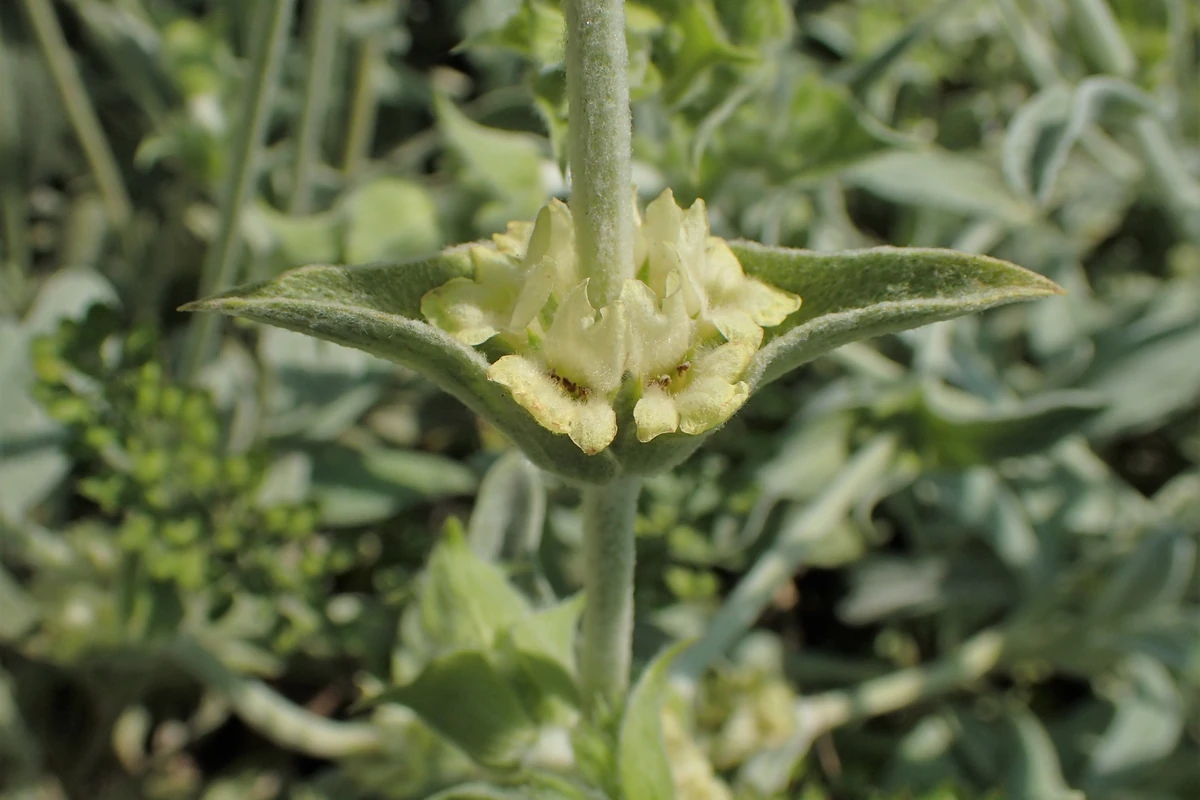
Do you use the flowers, leaves and stems?
For a product supplied as complete flowering sprigs, the instructions may call for several parts together. My Land describes its mountain tea as dried stems, leaves and flower heads, and says that those parts brew together. That is one producer’s stated format, not proof that every mountain tea bag has the same contents.
Do not automatically strip all the leaves or discard every stem because a different herbal tea uses only one part. Equally, do not add an unfamiliar stalk to the pot solely because it resembles a mountain tea stem. Start with a correctly labeled food product and its preparation directions.
Why some packs look different
A whole-sprig product preserves the recognizable arrangement of plant parts. A cut product presents them as smaller pieces. Flowers-only is another producer choice: 1450 Hellenic Exceptional Herbs describes a mountain tea product made only from flowers of Sideritis raeseri. These examples explain different appearances without establishing a universal quality ranking.
If you are comparing two packs, keep the format question separate from the identity question. Whole versus cut describes how the material is presented. The botanical information, ingredient list and origin statement answer different questions. A picture cannot supply all of them.
A label checklist before opening
Look for the common product name and any Sideritis identification supplied. Next, find the description of the plant parts: flowering sprigs, flowers, leaves, stems, cut herb or another stated form. Check whether the ingredient list includes other herbs. Finally, read the portion and preparation directions for that exact pack.
When the label is vague, ask a precise question: does this product contain whole flowering sprigs, cut parts or selected flowers, and should all supplied parts be included? That will give you more useful information than asking which tea is strongest.
Handling a whole-sprig pack
Prepare a clean space and choose the pot or strainer your instructions require. If long sprigs do not fit, follow any guidance about shortening them rather than improvising a new dose. Keep the intended portion together so you do not accidentally compare a flowers-heavy selection with a mostly-stem selection next time.
This is also a good point to think about cleanup. Choose a strainer that suits the actual pieces in front of you. A tool that holds a long sprig comfortably may let smaller fragments through. Plan how you will separate the plant material from the drink before pouring.
Whole stems and spoonfuls are different measures
Counting stems is convenient when a producer specifies it for its product, but stems need not all be the same size. A spoon of cut herb is another kind of measure. Do not assume a counted sprig and a spoonful are interchangeable merely because both instructions appear online.
For repeatability, use the measurement given on your pack and note what you used. If you switch format or producer, return to the new instructions instead of carrying over an old stem count. Changing one detail at a time makes your own preference easier to understand.
What to check after preparing a cup
Separate the herb as directed and taste the drink before adding anything else. Note the product, format and portion you used, plus whether you preferred it plain. The point is to make your next cup easier, not to assign an automatic flavor score to flowers, leaves or stems.
Store the remaining product according to its pack, keeping its label available. This guide is not a way to identify wild plants or judge the safety of an unlabeled bag. If the identity or condition is uncertain, resolve that before preparing a drink.
Explore our Greek mountain tea collection and read the individual details for the stated format. For the broader introduction, continue with our Greek mountain tea guide. No particular GreekBounty stock, species or plant-part mixture is established by these general examples.
Related guides and sources
Once the format is clear, compare it with the species and ingredients on the label, then follow the product instructions alongside our first-cup brewing guide. They answer different parts of the same practical choice.
My Land: whole stems, leaves and flower heads; 1450 Hellenic Exceptional Herbs: flowers-only product example. Product descriptions are attributed examples; handling suggestions are editorial guidance, not a physical test or a health claim.
Continue exploring this ingredient
Browse the mountain tea guide library, then explore What to Ask Before Listing Mountain Tea in a Shop and A Greek Mountain Tea Service Checklist for Cafés. For a named producer and pack, see Olympus Cooperative Greek Mountain Tea — 40g.

Good things from our land, ideas for your table.
Explore the pantry journal →