
Greek Mountain Tea Benefits: What the Evidence Says
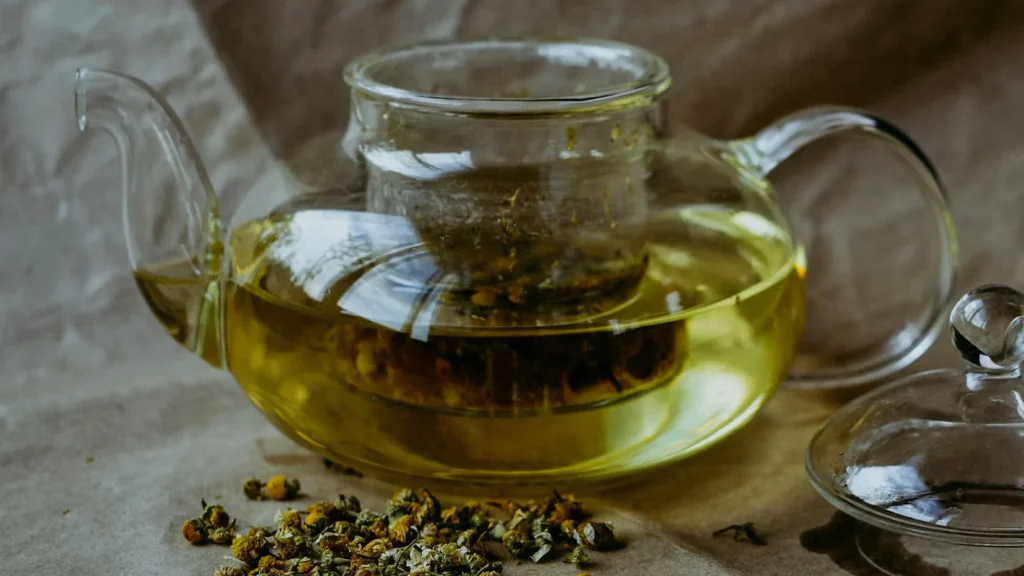
Greek mountain tea is an herbal infusion made from Sideritis, a group of plants also called ironwort. In Greece it has long been drunk as an everyday warm drink, especially in winter. This page sets out what an official European assessment says about it, and what it does not say.
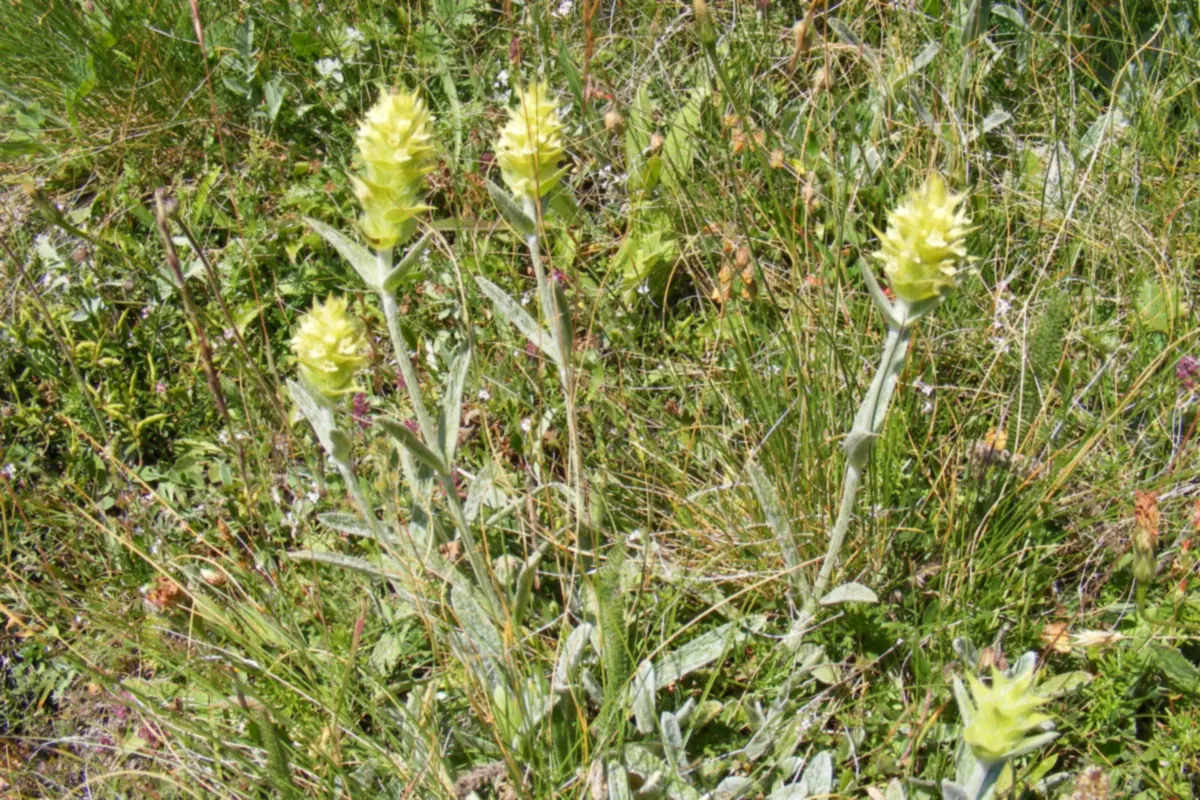
What the European Medicines Agency says
The European Medicines Agency’s herbal committee (HMPC) has assessed four species: Sideritis scardica, S. clandestina, S. raeseri and S. syriaca. It concluded that, based on long-standing use, herbal tea made from these plants can be used as a traditional herbal medicinal product:
- for the relief of cough associated with a cold, and
- for the relief of mild stomach and gut discomfort.
“Traditional use” means there is not enough evidence from clinical trials. The committee found the effect plausible and the herb used safely in this way for at least 30 years, including at least 15 years in the EU. It is not a claim that mountain tea treats or prevents disease.
Dosage and cautions in the monograph
- Adults: 2–4 g of the cut herb in 150–200 ml of boiling water as an infusion, 2–3 times a day, up to 12 g a day.
- Not recommended for children and adolescents under 18.
- See a doctor or qualified health practitioner if a cough lasts more than a week, or stomach discomfort more than two weeks, or if symptoms get worse.
These cautions apply to the medicinal use. As an everyday drink, most people simply brew a few sprigs for a warm cup. Follow the instructions on your pack. Ask a healthcare professional if you are pregnant, breastfeeding, taking medicines or managing a health condition.
What the research does not show
Laboratory and animal studies on Sideritis extracts look at antioxidants, inflammation and cognition. They are early research and do not show the same effects in people drinking the tea. Be wary of claims that mountain tea “boosts immunity”, “detoxes” or treats anxiety. These go beyond the evidence.
Enjoying mountain tea
Brew it plain first, then try lemon or honey on the side. Read your first cup of Greek mountain tea for brewing, and Sideritis names on the label to identify the species. Our Olympus cooperative mountain tea is Sideritis scardica, one of the four species in the EMA assessment.
Sources
European Medicines Agency: Sideritis herba (ironwort) summary · EU herbal monograph on Sideritis herba (HMPC). This page is general information, not medical advice.
Mountain tea benefits: frequently asked questions
What are the benefits of Greek mountain tea?
The European Medicines Agency’s herbal committee accepts, based on long-standing traditional use, that Sideritis herbal tea can relieve cough associated with a cold and mild stomach and gut discomfort. Clinical trial evidence is limited.
Is Greek mountain tea the same as sideritis tea?
Yes. Greek mountain tea is made from plants in the Sideritis genus, also called ironwort. Common species include Sideritis scardica, S. raeseri, S. syriaca and S. clandestina.
How much mountain tea can I drink?
For the traditional medicinal use, the EU monograph gives 2–4 g of herb per 150–200 ml of water, 2–3 times a day, up to 12 g a day, for adults. Follow the instructions on your pack.
Can children drink mountain tea?
The EU monograph does not recommend the medicinal use for under-18s, because there is not enough data. Ask a healthcare professional for advice.
Does Greek mountain tea have side effects?
The EU herbal monograph lists no known undesirable effects for the traditional use. It lists hypersensitivity to Sideritis or other plants of the mint family (Lamiaceae) as a contraindication, and does not recommend the medicinal use during pregnancy or breastfeeding, or for under-18s, because safety data are lacking. If you notice a reaction, consult a doctor or qualified health practitioner.
Does Greek mountain tea contain caffeine?
Greek mountain tea is an infusion of Sideritis, a herb in the mint family. It is not made from the tea plant (Camellia sinensis) used for black and green tea. Check your pack for the product details.

Good things from our land, ideas for your table.
Explore the pantry journal →