
What Is Pasteli? Greek Sesame Honey Bars Explained
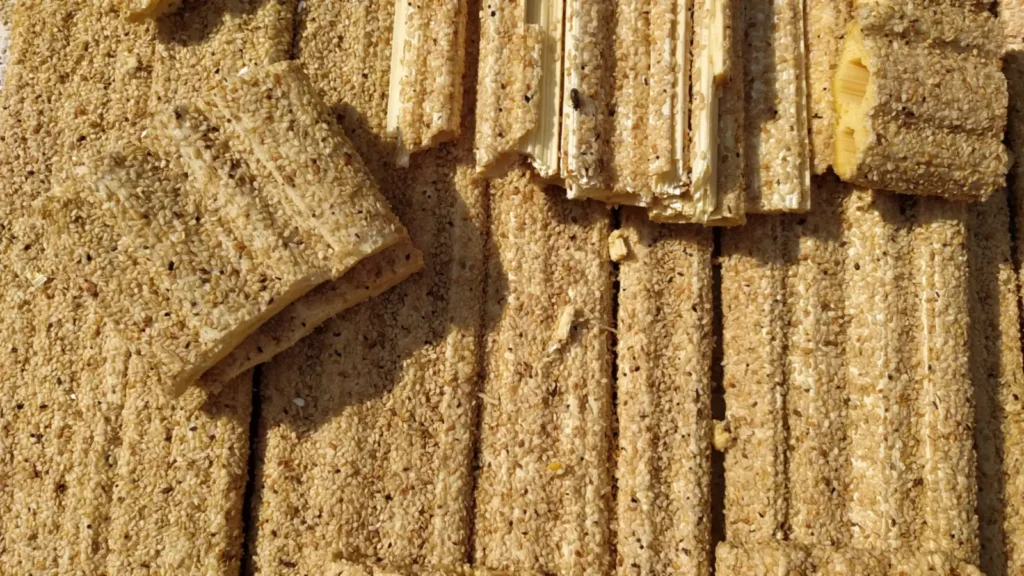

Pasteli is a Greek sesame sweet, commonly recognized as a sesame-and-honey bar. The seeds are bound into a piece you can pick up and eat. If you are discovering it for the first time, think of a small sweet with sesame at its center, then read the label to find out what makes that particular version different.
Also in this guide: Carrying Pasteli Without Crushing It: Pack Format and Bag Organisation · Melekouni and Pasteli: Understanding the Rhodian Name Before Buying · Pasteli as a Greek Food Gift: Make the Product Details Part of the Present · Before Making Pasteli: Read the Recipe and Prepare the Equipment · Pasteli vs Nougat: Choose the Sweet by Its Actual Ingredients and Texture
The name does not guarantee one ingredient list or one texture. Some versions emphasize a chewy bite; others are made for crunch. Honey may share the recipe with sugar, and nuts or other ingredients may appear. Choosing pasteli is easier when you compare the actual bar rather than a picture of what every Greek sweet should be.
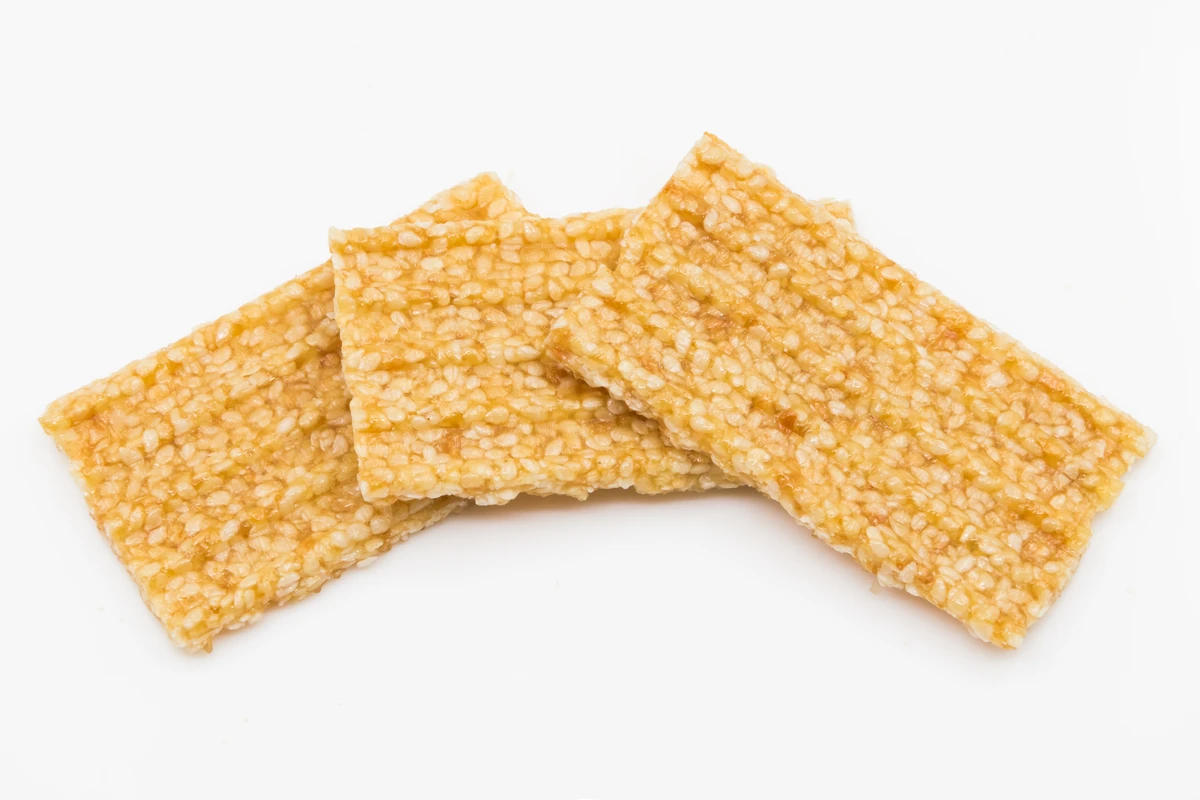
Sesame and honey are the familiar starting point
Greece’s official tourism site describes pasteli as a sesame-and-honey bar. That is a helpful introduction to its culinary identity. It does not mean every commercial bar contains only those two ingredients.
For an example of variation, Helen Tzouganatos’s original recipe published by SBS combines sesame with peanuts, honey and sugar. You do not need to make that recipe to understand the buying lesson: “pasteli” and “made with honey” are not substitutes for the ingredients panel.
Soft pasteli or crunchy pasteli?
The SBS recipe notes that cooking the sweet mixture affects whether its bars set soft or crunchy. A softer bar is therefore not automatically a failed crunchy one. Choose the texture you want and look for a clear description from the producer.
If you like a crisp sweet beside coffee, a version described as crunchy is a sensible starting point. If you prefer a chewy snack, look for that wording instead. Photos can show the shape and seeds but cannot tell you exactly how a bar will bite. When the description is unclear, ask before buying a larger quantity.
A practical label checklist
- Seeds and additions: identify sesame and any nuts, coatings or flavorings.
- Sweeteners: check for honey, sugar or other named sweeteners. A honey image on the wrapper does not answer this question.
- Texture: look for soft, chewy or crunchy descriptions that match your preference.
- Serving size: compare the amount you intend to eat with the amount used in the nutrition panel.
- Dietary claims: rely on the specific product’s labeling rather than assuming every pasteli is vegan, gluten-free or sugar-free.
- Storage: follow the pack’s instructions and date information.
If you are comparing two bars, put them side by side and answer those questions first. There is no need to declare one recipe more authentic to decide which suits your taste. A simple version might be what you want today; a nut-containing version might be a different choice for another occasion.
Sesame matters for allergies
Sesame is a major food allergen in the United States, as the FDA explains. That matters directly for a sweet built around sesame. Read the full ingredients and allergen information, including information about other ingredients and shared production where supplied. Do not assume that a small bar or a short ingredient list makes a product suitable for someone with a food allergy.
For a shared table, keep the packaging available and tell guests what you are serving. If you cannot establish whether a product meets a guest’s needs, choose something they can verify. This is also a reason to avoid mixing unlabeled pieces from several different bars in one bowl.
Ways to serve a first piece
Beside coffee: start with a small piece and a cup prepared to your usual taste. You can decide whether you enjoy the combination without adding another sweet. Explore our Greek coffee collection if you want to build a Greek pantry pairing.
On a small dessert plate: offer pasteli on its own or beside fruit, keeping the pieces separate so each guest can choose. There is no need for an elaborate presentation; let the sesame sweet be easy to recognize. Sesame also turns up on Greek cookies: some versions of koulourakia are sprinkled with it before baking.
As a pantry snack: keep the wrapper until you have checked the ingredients and storage guidance. If you like the bar, note its texture and additions. That makes your next choice more precise than simply remembering the name.
Is pasteli a honey-only or sugar-free sweet?
Neither claim follows from the name. Check the sweeteners and the nutrition label of the exact product. Even a recipe sweetened only with honey should not be described as sugar-free on that basis. Treat pasteli as a sweet you choose for its ingredients, texture and taste, without adding medical or performance promises. For USDA nutrient figures for the seeds themselves, see sesame seeds nutrition facts.
Explore our pasteli collection to discover the category, then use the individual product details and current availability to make your choice. This guide explains pasteli generally; it does not establish the ingredients or texture of a specific GreekBounty bar.
Carrying Pasteli Without Crushing It: Pack Format and Bag Organisation
To carry pasteli without crushing it, protect the wrapped bar from bending and from the weight of other items. A small rigid outer container can help with that physical protection. Choose one that closes without pressing directly on the bar, and follow the product’s handling directions for the conditions of the journey.
Start with the pack format
A thin brittle bar needs a different space from a compact individually wrapped piece. Check the dimensions before choosing a container. Jannis’ sesame-bar range illustrates that bars are sold in different formats. Our pasteli guide explains the ingredient family.
Place it above heavy objects
Keep the protected bar away from the bottom of a bag carrying books or bottles. Avoid bending it around a curved object or wedging it into a narrow gap. A flatter position with a little surrounding space is easier to manage than packing it tightly between heavy items.
Keep the wrapper and product details
Leave individually wrapped products in their original packs. That keeps the ingredient and handling information available if the sweet will be shared later. If carrying several types, separate them enough to identify each one without opening every pack.
Plan the opening as well as the packing
A small plate or clean surface at the destination helps collect fragments from a brittle bar. Open the pack there rather than over a crowded bag. For a planned coffee stop, read our Greek coffee guide; browse the pasteli collection for the broader sweet category. This is a crush-protection approach, not a storage-duration or shipping specification.
Melekouni and Pasteli: Understanding the Rhodian Name Before Buying
Melekouni is the soft, honey-and-sesame sweet associated with Rhodes. Compared with a generic pasteli, its distinctive features include a pliable bite, toasted almonds, warm spices and, in some versions, citrus. It is traditionally cut into diamonds and has a place at celebrations on the island. If you enjoy sesame sweets but prefer chew to brittle crunch, melekouni is a useful regional name to know.
What makes melekouni different?
The EU’s published product description identifies sesame, honey, almonds and spices, with optional citrus zest or juice. It describes a cohesive, pliable texture. The wider pasteli family includes different ingredient combinations and both chewy and crunchy versions. Melekouni therefore gives you a more specific starting point: look for the named Rhodian sweet when that soft texture and aromatic combination are what you want.
The ingredients behind the aroma
Toasted sesame is the central seed ingredient, with almonds adding another nutty element. The EU description lists cinnamon, nutmeg, cloves and coriander among the spices used. Citrus can bring a different aromatic direction: orange, bergamot, lemon or bitter orange appear among its examples. For a first choice, read which of those ingredients the particular maker uses. Someone who loves orange peel may favour a citrus version, while someone seeking a simpler sesame-and-cinnamon combination has a different question to ask.
A soft sweet with different local styles
The Rhodian producer Filema Rodion describes its Lindos-style melekouni with sesame, honey, almonds and cinnamon. That is a useful example of how a particular workshop expresses the broader regional tradition. It also gives a practical comparison point when browsing: note the named ingredients and texture description, then decide which version you want to try. Keep the wrapper while tasting so that a favourite can be identified again. Record the maker and variant, rather than simply remembering a diamond-shaped sweet.
Why it belongs at a celebration
The Municipality of Rhodes describes melekouni as a traditional treat at weddings and other social occasions. For a small gathering of your own, present identifiable pieces on a separate plate or offer individually wrapped portions. Have a place for wrappers and enough space beside drinks for a small sweet plate. A short card saying where the sweet comes from can make an unfamiliar item approachable. Keep any original ingredient information available for the guests who want it.
Trying it beside coffee
A plain cup and a small piece let you decide how you enjoy the combination without building an elaborate dessert. Our Greek coffee guide explains that separate preparation. Set out the sweet before making the coffee, and let each person choose their own amount. If comparing melekouni with another pasteli, serve them separately so the texture and aromatic differences remain clear. The useful question is which you enjoy on that occasion, rather than which sweet wins a universal authenticity contest.
Choosing the named product
Melekouni was registered as an EU protected geographical indication by Regulation (EU) 2017/2363. When seeking it specifically, check the named product and maker; the designation belongs to that product rather than sesame sweets generally. Explore the pasteli collection for the broader category and ask about a particular item and its availability. Ingredients, texture and intended occasion give you a practical way to choose a sweet you will enjoy.
Pasteli as a Greek Food Gift: Make the Product Details Part of the Present
Pasteli can make a compact Greek food gift when you choose the texture and pack format with the recipient in mind. Keep the original product information with the sweet, then add a short personal note about why you chose it. A simple presentation can let the sesame sweet remain the centre of the gift.
Choose the style before the wrapping
Consider whether the recipient tends to enjoy brittle sweets or a softer chew. Read the particular product’s description and ingredients. Jannis’ range gives one producer’s example of sesame-bar variety, while our pasteli guide explains the broader family.
Match the size to the occasion
An individually wrapped portion suits a small gesture; a larger pack may be easier to share. Check the actual dimensions if putting it into a gift box with other items. Protect a delicate bar from heavy jars or bottles rather than arranging everything tightly for appearance alone.
Make the note specific and welcoming
A short note can introduce pasteli as a Greek sesame sweet and suggest trying a piece with a favourite drink. Visit Greece’s sweets overview places it within a wider Greek confectionery tradition. Add the producer or variant so the recipient can identify a favourite again.
Keep useful details visible
Wrap around the original pack or put it in an outer box, leaving the ingredient and handling information intact. If pairing it with coffee, our Greek coffee guide offers preparation context. Explore the pasteli collection and confirm any particular item and availability separately; this gift idea does not describe a Greek Bounty gift-box or delivery service.
Before Making Pasteli: Read the Recipe and Prepare the Equipment
Before making pasteli, read one complete recipe and prepare its tray, utensils and measured ingredients before heating begins. Honey-and-sesame confectionery can involve a hot, sticky mixture, so an organised work area matters more than improvising the equipment halfway through.
Choose the recipe before the pan
Read the ingredient quantities, tray dimensions, cooking method and setting instructions together. SBS’s toasted sesame bar recipe is one complete source to consult. Use its full method if choosing that version, including any specific pan preparation and cutting sequence.
Set out the tray and working utensils
Prepare the tray or surface exactly as the recipe directs. Have the specified heat-suitable stirring and spreading tools ready, with somewhere safe to put them down. Check that the work area is clear and that the tray can be reached without carrying a hot mixture across a cluttered kitchen.
Measure and organise ingredients in advance
Put each measured ingredient in its own suitable bowl or position it in the recipe’s order. If sesame needs a separate toasting step, read that sequence before heating the sweet mixture. Our sesame-toasting guide discusses that ingredient preparation; the selected pasteli recipe governs the full process.
Know the finish before you start
Read when the source recipe says to transfer, shape and cut the mixture. Those steps can be difficult to organise once heating has begun. Follow its hot-mixture precautions and keep children and distractions away from the work area. For ingredient background, read what pasteli is or explore the pasteli collection.
Pasteli vs Nougat: Choose the Sweet by Its Actual Ingredients and Texture
Pasteli and nougat are different starting points when choosing a sweet. Pasteli is associated with sesame bars, while nougat can have a different nut combination and a softer confectionery texture. The most useful comparison is the actual ingredient list and texture description of the two products in front of you.
Start with the seed or nut ingredient
A sesame-led pasteli makes sesame central to the bite. Nougat may feature other nuts, with the exact mix depending on the maker. Jannis’ sesame-bar range and its soft nougat range show how one producer separates the families. Read the individual product rather than assuming all bars in either range have the same ingredients.
Compare chewy and crunchy textures
Pasteli itself can vary in texture. If you want a crisp snap or a softer chew, look for that description instead of choosing by the name alone. Nougat texture also depends on the product. Our pasteli guide gives background on the broader sesame-sweet family.
Choose a format for the occasion
A small wrapped bar is convenient for an individual portion; a larger piece may suit cutting and sharing from a plate. Compare the pack format as well as the weight. If offering both sweets, keep them separate so guests can choose and their ingredient information remains clear.
Pair with a drink by preference
Serve a small piece beside a drink and decide which combination you enjoy. Our Greek coffee guide covers the preparation of one possible companion. Explore the pasteli collection for the sesame-sweet category and ask about the exact product when texture or ingredients are central to your choice.
Pasteli: frequently asked questions
How do I carry pasteli without crushing it?
To carry pasteli without crushing it, protect the wrapped bar from bending and from the weight of other items. A small rigid outer container can help with that physical protection. Choose one that closes without pressing directly on the bar, and follow the product’s handling directions for the conditions of the journey.
What is the difference between melekouni and pasteli?
Melekouni is the soft, honey-and-sesame sweet associated with Rhodes. Compared with a generic pasteli, its distinctive features include a pliable bite, toasted almonds, warm spices and, in some versions, citrus. It is traditionally cut into diamonds and has a place at celebrations on the island.
Is pasteli a good Greek food gift?
Pasteli can make a compact Greek food gift when you choose the texture and pack format with the recipient in mind. Keep the original product information with the sweet, then add a short personal note about why you chose it. A simple presentation can let the sesame sweet remain the centre of the gift.
What equipment do I need to make pasteli?
Before making pasteli, read one complete recipe and prepare its tray, utensils and measured ingredients before heating begins. Honey-and-sesame confectionery can involve a hot, sticky mixture, so an organised work area matters more than improvising the equipment halfway through.
What is the difference between pasteli and nougat?
Pasteli and nougat are different starting points when choosing a sweet. Pasteli is associated with sesame bars, while nougat can have a different nut combination and a softer confectionery texture. The most useful comparison is the actual ingredient list and texture description of the two products in front of you.
Sources
Culinary identity: Visit Greece, Greek Snacks. Recipe variation and texture: SBS, Helen Tzouganatos’s Pasteli. Allergen background: FDA, Sesame Added as a Major Food Allergen. Serving suggestions are editorial ideas, not a tested GreekBounty recipe.
Continue exploring this ingredient
Browse the pasteli guide library, then explore Pasteli vs Nougat: Choose the Sweet by Its Actual Ingredients and Texture and Melekouni and Pasteli: Understanding the Rhodian Name Before Buying.

Good things from our land, ideas for your table.
Explore the pantry journal →