
How to Toast Sesame Seeds for Pasteli: Pan or Oven?
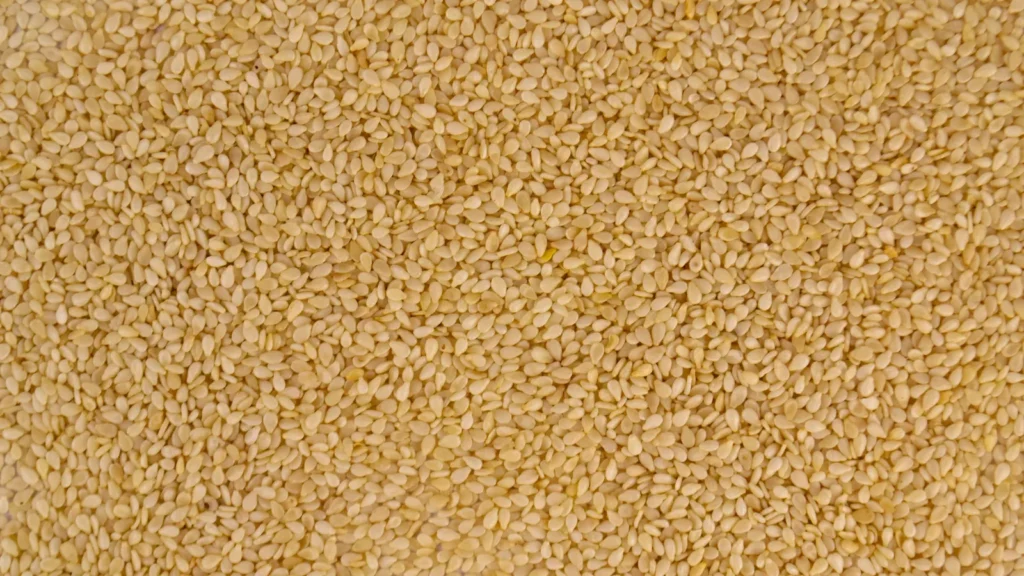
Toasting sesame seeds for pasteli is a separate step from cooking the sweet mixture that holds the bar together. Start with the sesame specified by your selected recipe, choose its documented method and watch the seeds as they heat. Do not assume one time fits every quantity, pan or oven. Sesame sprinkled on cookies such as koulourakia toasts in the oven as they bake, so it needs no separate step.
This guide compares published approaches and helps you organize the step. It is not a pasteli recipe developed or tested in the GreekBounty kitchen. If the sweet is new to you, our guide to what pasteli is explains its identity and variation.
Start with the recipe and the seed label
Check whether the recipe calls for raw or already toasted sesame, and whether it specifies a particular seed form. Read the product label rather than assuming everything in a sesame packet needs the same starting treatment. Keep the recipe’s ingredient quantity separate from a general toasting example. USDA figures for whole and hulled seeds are in our sesame seeds nutrition guide.
Then read ahead. Know where the toasted seeds go, whether the recipe asks them to cool, and what needs to be prepared before cooking the sweet mixture. A clear sequence prevents you from reaching a later instruction with the seeds still sitting in an unprepared pan.
An attributed stovetop method
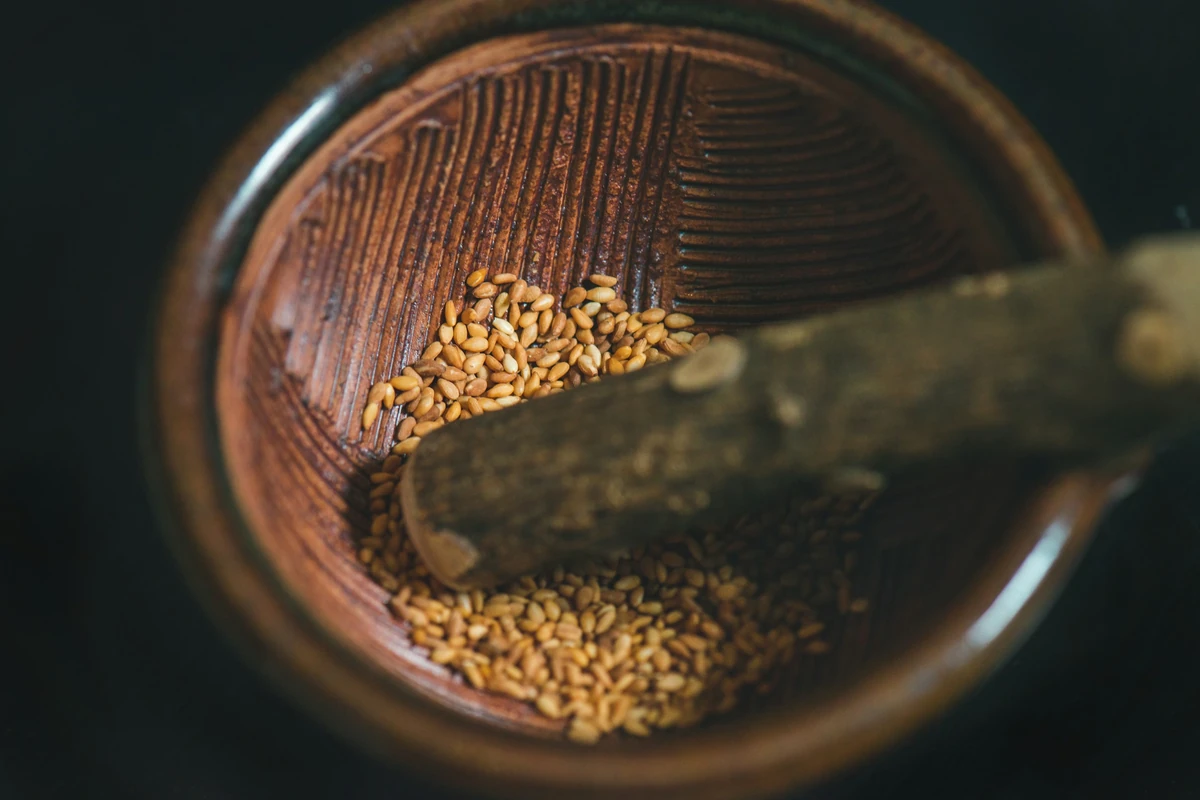
Bob’s Red Mill documents spreading sesame in a thin layer in a frying pan, cooking over medium heat for about 2–3 minutes and moving the seeds around as they toast. Its cues are fragrance and a golden-brown appearance; it then removes the seeds from the pan to cool.
Treat that timing as the producer’s example, not a guarantee for your pan or recipe quantity. Stay with the pan and watch the whole layer. If you cannot keep the seeds spread and moving as the selected method requires, reconsider your batch size instead of simply extending the time.
An attributed oven method
The same producer gives an oven example at 350°F, with a single layer on a baking sheet, about 8–10 minutes and stirring every two minutes. It directs cooks to watch for fragrance and light browning, then transfer the seeds off the hot sheet.
Those figures belong to that method. A different pasteli recipe can specify a different oven setup or batch. Preserve its instructions instead of combining one author’s temperature with another author’s timing and presenting the mixture as a tested technique.
How the toasting step fits into pasteli
Helen Tzouganatos’s recipe published by SBS toasts its sesame together with peanuts before adding them to the cooked sweet mixture. That is a useful example of the sequence, but it is not a sesame-only method or proof that every pasteli has the same ingredients.
For that specific version, follow the complete original recipe. For another version, keep its seed amount, toasting and syrup instructions together. You do not need to borrow a larger mixed-nut batch simply because it carries the pasteli name.
Judge the step, not just the timer
Read the documented visual endpoint before starting so you know what to look for. Set a timer as a reminder to check, not as permission to walk away. A small portion that is much darker than the rest is a reason to stop and reassess your process rather than stirring it in and hoping the next stage will hide it.
Use a tool and handling approach appropriate for the hot pan or tray. Have a heat-safe place ready for it and a suitable receiving vessel if the method calls for removing the seeds. Arrange those items before switching on the heat.
Keep notes for the next batch
Record the seed product and form, amount, selected source method and the point at which you stopped. If you change equipment next time, mark that change too. A brief note helps you understand your own result without turning one attempt into a universal rule about toasting.
Evaluate the complete recipe separately. This step addresses the sesame; it does not promise a finished bar will set, stay soft or become crunchy. Avoid changing both the seed preparation and the sweet-mixture method at once if your aim is to understand which adjustment you prefer.
Explore the sweet before choosing your version
Our pasteli collection is a place to explore the category, while the pasteli ingredient and texture guide helps you read individual descriptions. Product names do not establish the ingredients of your homemade recipe or the availability of raw sesame in our collection.
No storage duration or dietary suitability is established by this guide. Use the exact ingredient labels and selected recipe’s handling directions rather than treating a general toasting method as an assurance about the finished food.
Sources and method
Bob’s Red Mill: stovetop and oven sesame methods; SBS: Helen Tzouganatos’s pasteli recipe. Numbers are attributed to the producer’s examples; planning notes are original editorial guidance, not an own-kitchen test.
Continue exploring this ingredient
Browse the pasteli guide library, then explore Pasteli vs Nougat: Choose the Sweet by Its Actual Ingredients and Texture and Melekouni and Pasteli: Understanding the Rhodian Name Before Buying.

Good things from our land, ideas for your table.
Explore the pantry journal →