

A Guide to Greek Mountain Tea
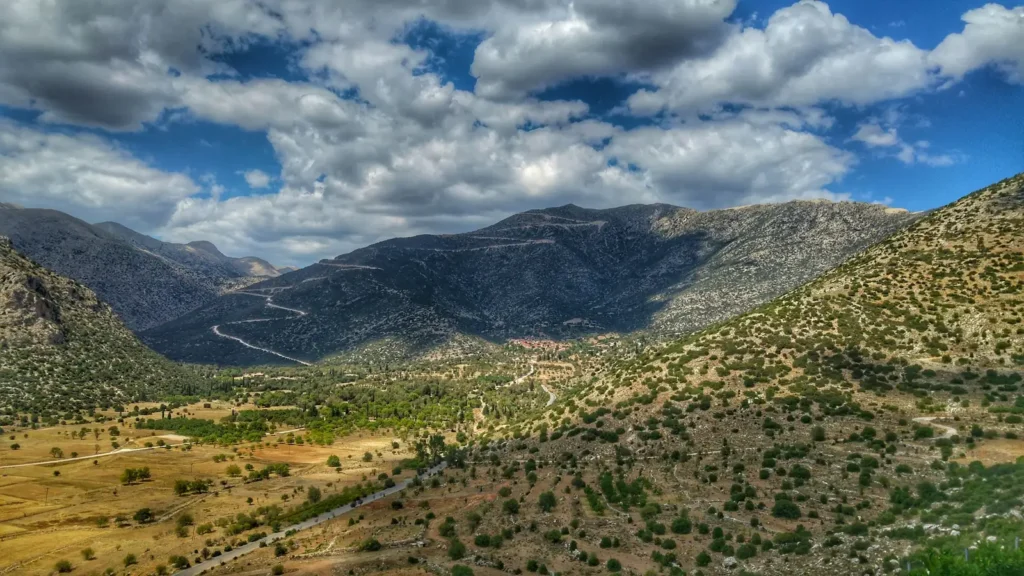
Greek mountain tea is a herbal infusion associated with plants in the genus Sideritis. The useful starting point is the pack in front of you: its ingredient list, botanical name, declared origin, format and preparation guidance. This Greek mountain tea guide connects those details to the next question, from choosing a pack to making your first cup.
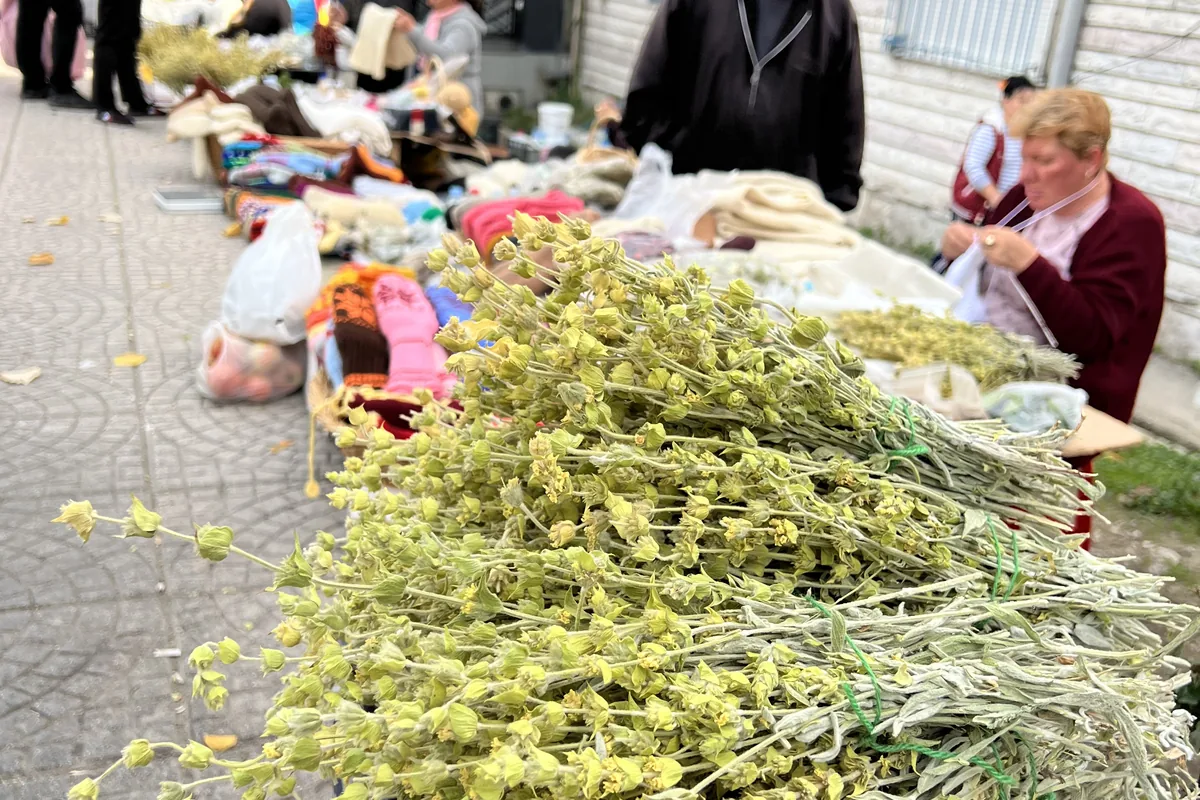
Greek mountain tea: read the botanical name
A common name is a helpful introduction, but it does not identify every detail of a product. Look for the named plant and whether the pack contains one ingredient or a blend. Our guide to Sideritis names on mountain tea labels explains how to read genus, species and origin as separate pieces of information.
For example, Klio presents a Mount Olympus product with a named species and preparation guidance on the same page. That is a useful information pattern: identify the plant, then explain the product. Another producer’s specification does not establish the identity, certification or origin of a Greek Bounty item.
Whole stems, flowers, leaves or a cut format?
Packs can look different because the plant material is presented differently. A photograph helps show the format, while the ingredient list and preparation instructions explain how to use it. A loose spoonful and a whole sprig are not automatically equivalent measures.
Read what flowers, leaves and stems mean in a mountain tea pack before deciding which format suits your equipment. Check whether you need a strainer, how the pack suggests measuring the herb and how much tea you intend to prepare at once.
Follow the pack, then adjust to your taste
Preparation methods differ between products. Use the producer’s amount, water quantity, temperature and timing as your starting point. Do not combine one producer’s measure with another producer’s method and assume the result will be the same.
Our first-cup Greek mountain tea brewing guide brings together steeping and simmering, whole-stem measurement, serving over ice and common label questions. Keep that guide beside the actual preparation instructions rather than treating a general article as a replacement for them.
Try a plain cup before adding anything
First taste a small amount on its own, once it is comfortable to drink. Notice the aroma and whether you would prefer a lighter or stronger cup next time. Write down the amount and method you used so that an adjustment has a clear starting point.
Lemon or a little honey can be a serving preference. If you are choosing a honey, our pine honey versus thyme honey comparison explains the separate ingredient. Thyme honey is not thyme herb, and neither name makes a tea a Sideritis product. For a simple cup with both, see honey lemon tea.
Mountain tea is a different pantry ingredient from oregano
Do not identify a dried herb from colour or a generic photograph alone. Check the label. Our Greek oregano guide covers a culinary herb with its own uses. Names, ingredient lists and product instructions are more useful than treating all aromatic Greek plants as interchangeable.
Keep the dry tea’s information with the pack
Follow the storage directions and date information supplied by the producer. Close the pack between uses and protect dry tea from humidity and strong odours. If you transfer it to another container, keep a record of its name, ingredients, date information and preparation guidance so that those details are not lost.
What to ask before choosing a pack
- Which botanical ingredient or blend is declared?
- What is the stated origin and pack weight?
- Is the format whole-stem, cut herb or individually portioned?
- What equipment and preparation method does the producer recommend?
- For hospitality, how does the format fit the cups, pots and service routine you use?
Explore the Greek mountain tea collection, send a product enquiry, or use retail and hospitality enquiries for a business project. Current availability, prices and any delivery arrangements require confirmation.
Questions about Greek mountain tea
Does every pack use the same species?
Read the botanical ingredient declaration. A common product name alone does not establish the species in every pack.
Should I steep it or simmer it?
Start with the actual producer’s method. Our brewing guide explains why preparation instructions and format belong together.
Can a café enquire about mountain tea?
Yes. Describe your country, intended use, preferred format and the information you need. An enquiry does not establish a supply agreement or delivery coverage.
Sources and further reading
Continue exploring this ingredient
Browse the mountain tea guide library, then explore Cultivated vs Wild Mountain Tea: What the Sourcing Words Mean and Planning Pot and Cup Capacity for Mountain Tea Service. For a named producer and pack, see Olympus Cooperative Greek Mountain Tea — 40g.