
How to Soften Dried Figs for Snacking and Cooking
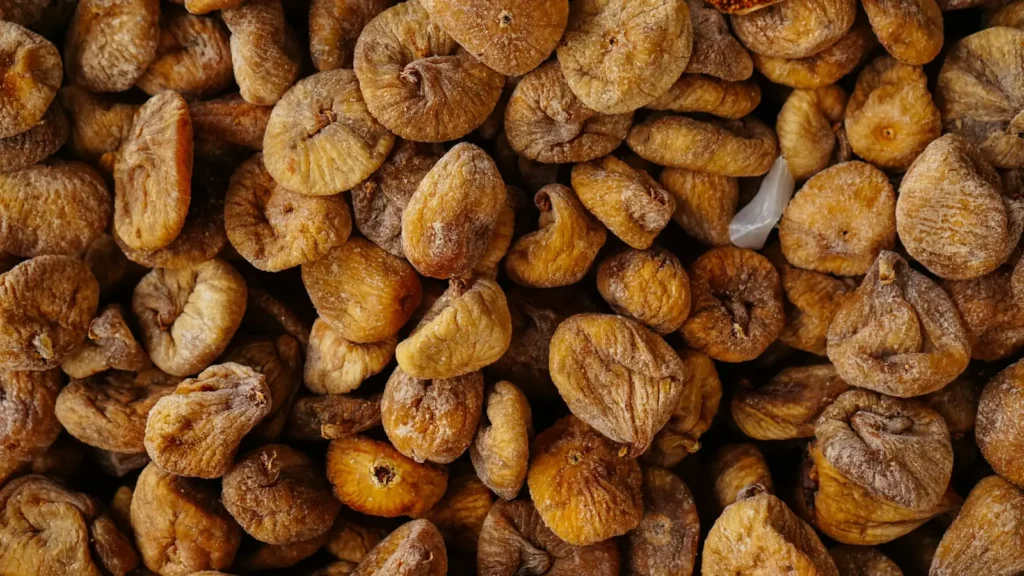
If you want to know how to soften dried figs, start with the dish you are making. A fig for a cheese plate needs enough structure to pick up; a fig for a sauce can be much softer. You may not need to soak the fruit at all.
Also in this guide: Dried Figs for Baking: Read the Fruit Instruction Before Making the Batter · Dried Figs in Porridge: Decide Between Mixed-In Fruit and a Topping · Dried Figs on a Cheese Board: Prepare Pieces Guests Can Actually Use · Dried Figs vs Dates for Cooking: Compare the Ingredient’s Job · How to Chop Dried Figs: Choose Pieces That Fit the Dish · Seeds Inside Dried Figs: Understanding the Crunchy Interior · Whole Dried Figs, Diced Figs and Fig Paste: Choose the Right Form
For sound dried figs that simply need a softer texture, Valley Fig Growers documents an off-heat hot-liquid soak. Its guide distinguishes that approach from poaching, where the fruit simmers in liquid. This is a source-led guide, rather than a method tested in the GreekBounty kitchen. The steps below help you choose an approach without promising one timing for every fig.
First, decide whether softening will help
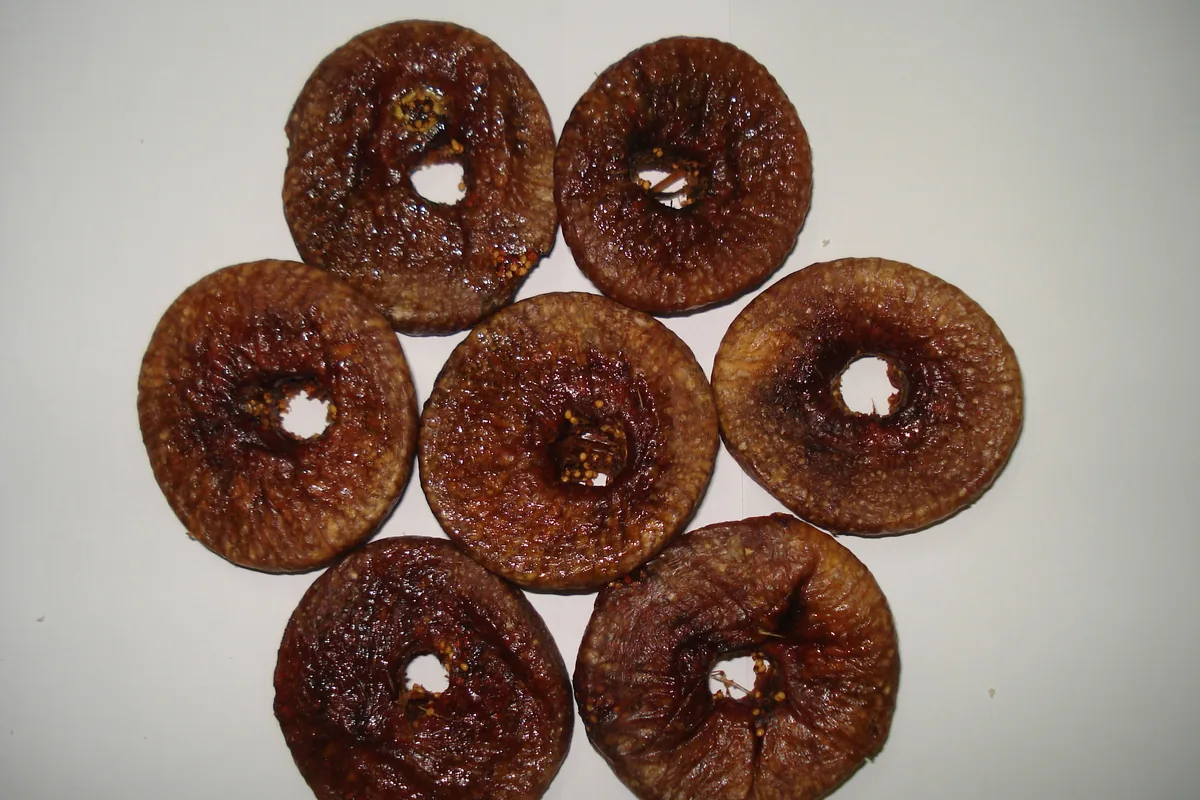
Try a sound fig as it is. If its chew suits your snack or chopped topping, keep that texture. For yogurt, you might prefer small pieces rather than larger softened halves. For a cheese plate, aim for a fig you can comfortably cut without turning it into a spoonable topping. In a dish that already includes liquid and cooking, consult the recipe before adding a separate soaking step.
Softening changes texture; it is not a way to rescue questionable food. Do not soak figs with mold, an unusual odor, damaged packaging or uncertain storage history and assume the result is safe. White surface material can sometimes be crystallized sugar, as Valley Fig Growers explains, but that does not identify every white patch on every fig. If you are unsure what you are seeing, ask the producer or discard the fruit.
How to approach a hot-liquid soak
The documented starting point is hot liquid with the figs left to steep off the heat. Begin with a small portion so you can judge whether the result suits your intended dish. Use a heatproof bowl, handle hot liquid carefully and follow any preparation advice supplied with the product.
- Choose sound figs and decide whether you want whole fruit, halves or chopped pieces for your dish.
- Use plain hot water for a neutral starting point, or follow a recipe that specifies another liquid.
- Let the figs steep off the heat. Check their texture rather than relying on an unverified universal soaking time.
- Drain when the texture suits your use. Let the fruit cool enough to handle before cutting or serving.
- Prepare only the amount you need. Follow product and recipe instructions for any leftovers; do not treat soaked fruit as if it still has the same storage conditions as the original dried product.
Write down what you used if you like the result: the product, size of the pieces, liquid and observed soaking time. That gives you a useful starting point for the next batch, while leaving room for differences between packs.
Soaking or poaching: choose by the result
Choose soaking when your main question is texture and you want a simple starting point. Choose a documented poached-fig recipe when the cooking liquid is part of the dish, such as a dessert served with its sauce. Valley Fig Growers describes poaching as longer simmering in syrup, wine or another liquid. Follow the selected recipe rather than turning a casual soak into an improvised preservation method.
Before adding flavored liquid, picture the finished plate. A citrus or spice note may be welcome in dessert but distract from a savory cheese pairing. Plain water lets you make that decision later. If you plan to add honey, taste the finished combination before adding more sweetness.
Three ways to use your figs
- Breakfast: try a small amount of chopped fruit over plain yogurt or oatmeal. Keep the pieces separate at first so you can adjust the balance.
- A cheese plate: serve manageable pieces beside the cheese, rather than assuming every guest wants the same combination. Leave some figs unsoaked if you enjoy comparing textures.
- A cooked dish: use the form and preparation requested by the recipe. For sauces or fillings, decide whether a visible piece of fruit or a smoother result matters more.
Explore our Greek dried figs collection for the fruit itself. If you enjoy a sweeter breakfast pairing, our Greek honey collection is a separate place to explore; check each product’s details and current availability before choosing.
Questions before you start
Do all dried figs need soaking? No. Choose according to the texture you prefer and what your recipe asks for.
How long should I soak them? There is no tested GreekBounty timing in this guide. Follow your product or selected recipe and check the fruit for the texture you want.
Can soaking fix figs that have gone bad? No. Treat spoilage or uncertain condition as a separate issue; do not use this method to make doubtful food seem fresh.
Dried Figs for Baking: Read the Fruit Instruction Before Making the Batter
Prepare dried figs for baking in the form the recipe requests: whole, trimmed, chopped or processed. Check whether the stated quantity is measured before or after preparation, and whether a soaking step is part of the method. Have the fruit ready before mixing the batter or dough.
Read the fruit instruction carefully
“Figs, chopped” and a prepared weight of chopped figs can involve different measuring sequences. Follow the recipe’s wording. Trim firm stem tips using our stem guide, then prepare the required quantity rather than assuming the entire pack is needed.
Make the cut fit the bake
A small piece can distribute through a biscuit, while a half placed on top stays visible. Valley Fig Growers’ fig-and-oatmeal cookie recipe is one example that specifies pieces for its mixture. Use the complete source recipe for its proportions and baking method.
Keep liquid changes deliberate
If the method calls for soaking, check whether the fruit is drained and whether any liquid is retained. Adding soak liquid to a batter changes its ingredients. Our softening guide explains the preparation choice; the chosen baking recipe determines whether it belongs in that bake.
Check fresh versus dried before buying
The fig-and-oatmeal cookie recipe names dried figs specifically. Check that detail even when another recipe title simply says fig cake: the ingredient list tells you which fruit to prepare. Choose a method developed for the form you have, rather than making the change while the batter is already mixed. Explore the Greek dried figs collection for the ingredient category.
Dried Figs in Porridge: Decide Between Mixed-In Fruit and a Topping
Use chopped dried figs as a separate porridge topping when you want each person to choose their own amount. Use a complete recipe for fruit cooked into the oats or made into a separate sauce. Preparing the fruit before cooking the oats makes either option easier to organise.
Cut pieces suited to the spoon
Remove firm stem tips and cut the figs into pieces that fit a spoonful comfortably. Small pieces distribute through several bites, while larger sections remain an obvious topping. Our stem-tip guide covers the first preparation step.
For a simple topping, keep the fruit separate
Prepare the oats according to their method and set the chopped fruit in a small dish. Add it at the table, along with any other accompaniments served separately. This is convenient when people sharing one pot have different preferences about sweetness or how much fruit they want.
Use a complete method for a cooked component
Valley Fig Growers publishes an oatmeal dish with a honey-fig topping. Follow its full quantities and method if you want that preparation. The separate topping has its own role and should not be treated as an arbitrary extra handful of liquid and fruit added to the oat pot.
Consider firmness before adding a soak
Some dried figs already have the chew you want for a topping. If a recipe requests softened fruit, follow that step and its instructions for any liquid. Read how to soften dried figs for the separate preparation choice, and explore the Greek dried figs collection.
Dried Figs on a Cheese Board: Prepare Pieces Guests Can Actually Use
Dried figs work on a cheese board as a separate sweet fruit element that guests can combine with cheese, bread or crackers. Prepare pieces that can be lifted easily, spread them across a small dish and leave enough room around the cheeses for cutting.
Prepare a useful serving size
Check and remove firm stem tips before arranging the fruit. Halves or quarters expose the interior and are easier to combine with another bite than a whole large fig. Keep some distance between sticky cut pieces so guests can lift one without pulling up the entire pile. See our stem-tip guide for that first preparation step.
Give figs their own space
Put the fruit in a shallow dish or a clear section of the board. Leave cutting space beside the cheese and keep the cheese knife from becoming buried beneath accompaniments. Valley Fig Growers’ cheese-board guide offers a producer’s example of using dried figs in a wider arrangement.
Offer contrasts without crowding the board
A plain cracker or piece of bread lets people build a small combination. Olives or nuts can sit separately so diners choose their own balance of sweet and savoury. Start with a few distinct elements rather than filling every gap with ingredients that become difficult to serve.
Adjust firmness before presentation
If a particular recipe calls for softened fruit, follow its preparation. If the figs are being served as dried fruit, their existing chew may be the texture you want. Our softening guide explains that separate choice. Explore the Greek dried figs collection and use the actual pack’s handling information when preparing and putting the board away.
Dried Figs vs Dates for Cooking: Compare the Ingredient’s Job
Dried figs and dates are both useful in sweet and savoury cooking, but their textures are different. Figs have a seeded interior and a distinct skin; dates have a central pit that must be addressed before chopping. Choose according to whether the dish needs visible fruit, dispersed pieces or a smooth filling.
Compare the prepared fruit
Cut open a piece and consider what will remain noticeable in the finished dish. The fig’s small seeds contribute to its texture, while a date’s flesh and skin give a different bite. Check whether the dates are sold whole or pitted. California Figs describes the edible fig interior; Natural Delights provides product information about its Medjool dates.
For toppings and chopped additions
Keep either fruit in pieces when you want it to remain visible on porridge, a salad or a board. Choose a cut suited to the spoon or fork. Small pieces distribute through a mixture differently from large chunks, even when the fruit weight is unchanged. Prepare fig stem tips using our dried fig stem guide.
For pastes and fillings
A recipe developed with one fruit may depend on its particular texture and moisture. Use a fig recipe for a fig filling or a date recipe for a date filling when you want a dependable starting point. Replacing the fruit can require more than matching a spoonful of one paste with another.
Start with the form the recipe names
Check whether the ingredient is whole dried fruit, chopped fruit, paste or a prepared spread. If firmness is the issue, our fig softening guide may answer the preparation question without changing fruits. Explore the Greek dried figs collection for the category.
How to Chop Dried Figs: Choose Pieces That Fit the Dish
To chop dried figs, remove any firm stem tip, place the fruit on a stable board and cut pieces suited to the dish. Halves or quarters work for a visible topping; smaller pieces spread more evenly through a mixture. Sticky fruit is easier to manage in a small batch than in a crowded pile.
Choose the cut before starting
Read the recipe’s ingredient line and method together. A quantity described as chopped figs may refer to fruit prepared before measuring, while a whole-fruit weight may be prepared afterward. Check the wording before cutting the entire pack. Our stem-tip guide covers the firm top separately.
Work in a small, stable batch
Use a suitable sharp knife on a board that stays in place. Flatten the fruit’s position so it does not roll under the blade. Slice a manageable portion into strips, then cut across for smaller pieces. Pause to clear the knife and board when sticky pieces collect rather than forcing the blade through a large clump.
Use scissors when they suit the task
Food-use scissors can be convenient for cutting a few pieces, while a board and knife may suit a larger quantity. Choose the tool you can control comfortably and clean it according to its instructions. California Figs recommends removing the firm stem; do that preparation separately rather than trying to cut through it with the rest of the fruit.
Soften only when the recipe needs it
If the fruit is too firm for the intended preparation, read how to soften dried figs. Soaking changes more than cutting size, so it should fit the dish rather than become an automatic step. Explore the Greek dried figs collection for the ingredient category.
Seeds Inside Dried Figs: Understanding the Crunchy Interior
The small seeds inside a fig are part of its edible interior. They contribute to the familiar texture of the fruit and are not a single stone to remove. Preparing a dried fig usually means checking the firm stem tip and choosing a suitable cut, rather than trying to deseed it.
Seeds and stem tips are different
California Figs’ FAQ identifies the skin, seeds and flesh as edible parts and separately recommends removing the firm stem. Our dried fig stem-tip guide explains that preparation distinction. Removing the top does not remove the small seeds distributed through the interior.
Cutting changes how the texture is distributed
A large fig piece presents the skin, flesh and seeds together in one bite. Chopping spreads those features through a bowl or mixture. Choose the cut to fit the dish: larger sections can be a distinct topping, while smaller pieces can appear through several spoonfuls.
Softening changes firmness, not the seed content
Our fig softening guide discusses a separate preparation choice. A softer fruit still contains its seeds. If a recipe needs a smooth filling, select a complete method designed for that result rather than assuming soaking alone will create a different ingredient.
Choose the texture you want in the dish
For a topping or serving plate, the fig’s seeded interior can remain part of its character. For a filling, read whether the recipe requests chopped fruit or paste. Explore the Greek dried figs collection. This description explains ordinary fig structure; an unfamiliar change in a specific pack should be raised with its producer rather than diagnosed from a general article.
Whole Dried Figs, Diced Figs and Fig Paste: Choose the Right Form
Whole dried figs, diced figs and fig paste solve different preparation tasks. Whole fruit lets you choose the cut; diced fruit provides ready pieces; paste is useful when the recipe calls for a more continuous fruit component. California Figs lists these as distinct ingredient formats, rather than interchangeable names for one product.
Whole figs give you control over the cut
Choose whole fruit when you want to serve it on a plate or decide your own piece size. Allow time for checking firm stem tips, trimming and cutting before measuring any required prepared quantity. Our stem-tip guide covers the first step.
Diced fruit needs a size specification
Diced does not describe one universal cube size. Compare the actual piece size with the recipe: small pieces can distribute through biscuits, while larger ones remain more obvious in each bite. Read whether the product contains anything besides fruit and whether the stated weight matches the prepared quantity you need.
Paste belongs to a different method
A dense fig paste, a jarred spread and a homemade purée can contain different ingredients and amounts of liquid. Read the specification rather than relying on the picture of figs. For a filling recipe, use the named form or a documented alternative from its author.
Keep softening separate from the form choice
A recipe requesting diced dried fruit may not need it soaked or blended. Read the fig softening guide if firmness needs attention, then keep preparation aligned with the chosen method. Explore the Greek dried figs collection and ask for the specific form when making a product enquiry.
Dried figs: frequently asked questions
How do I prepare dried figs for baking?
Prepare dried figs for baking in the form the recipe requests: whole, trimmed, chopped or processed. Check whether the stated quantity is measured before or after preparation, and whether a soaking step is part of the method. Have the fruit ready before mixing the batter or dough.
How do I add dried figs to porridge?
Use chopped dried figs as a separate porridge topping when you want each person to choose their own amount. Use a complete recipe for fruit cooked into the oats or made into a separate sauce. Preparing the fruit before cooking the oats makes either option easier to organise.
How do I serve dried figs on a cheese board?
Dried figs work on a cheese board as a separate sweet fruit element that guests can combine with cheese, bread or crackers. Prepare pieces that can be lifted easily, spread them across a small dish and leave enough room around the cheeses for cutting.
Can I use dried figs instead of dates?
Dried figs and dates are both useful in sweet and savoury cooking, but their textures are different. Figs have a seeded interior and a distinct skin; dates have a central pit that must be addressed before chopping. Choose according to whether the dish needs visible fruit, dispersed pieces or a smooth filling.
How do I chop dried figs?
To chop dried figs, remove any firm stem tip, place the fruit on a stable board and cut pieces suited to the dish. Halves or quarters work for a visible topping; smaller pieces spread more evenly through a mixture. Sticky fruit is easier to manage in a small batch than in a crowded pile.
What are the crunchy seeds inside dried figs?
The small seeds inside a fig are part of its edible interior. They contribute to the familiar texture of the fruit and are not a single stone to remove. Preparing a dried fig usually means checking the firm stem tip and choosing a suitable cut, rather than trying to deseed it.
Whole, diced or fig paste: which form should I buy?
Whole dried figs, diced figs and fig paste solve different preparation tasks. Whole fruit lets you choose the cut; diced fruit provides ready pieces; paste is useful when the recipe calls for a more continuous fruit component.
Sources and method
Preparation distinction: Valley Fig Growers, How to Rehydrate Dried Figs. Surface-sugar explanation: Valley Fig Growers, White Powder on Dried Figs. Serving suggestions are editorial ideas, not a tested recipe or a statement about a particular GreekBounty product.
Continue exploring this ingredient
Browse the dried figs guide library, then explore How to Chop Dried Figs: Choose Pieces That Fit the Dish and Dried Figs vs Dates for Cooking: Compare the Ingredient’s Job.

Good things from our land, ideas for your table.
Explore the pantry journal →