
Tzatziki Recipe: Thick, Garlicky Greek Yogurt and Cucumber Dip
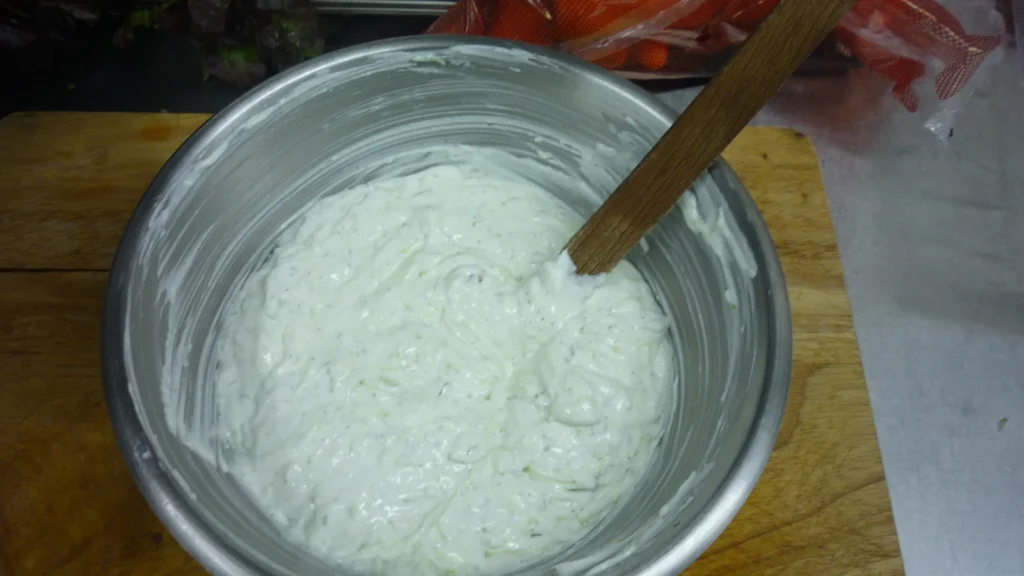

Tzatziki is the cool, garlicky yogurt and cucumber dip served all over Greece, with grilled meat, fried vegetables, bread or simply on its own. It needs no cooking, but one step makes all the difference: squeezing the water out of the cucumber. Do that, and your tzatziki stays thick instead of turning runny in the bowl.
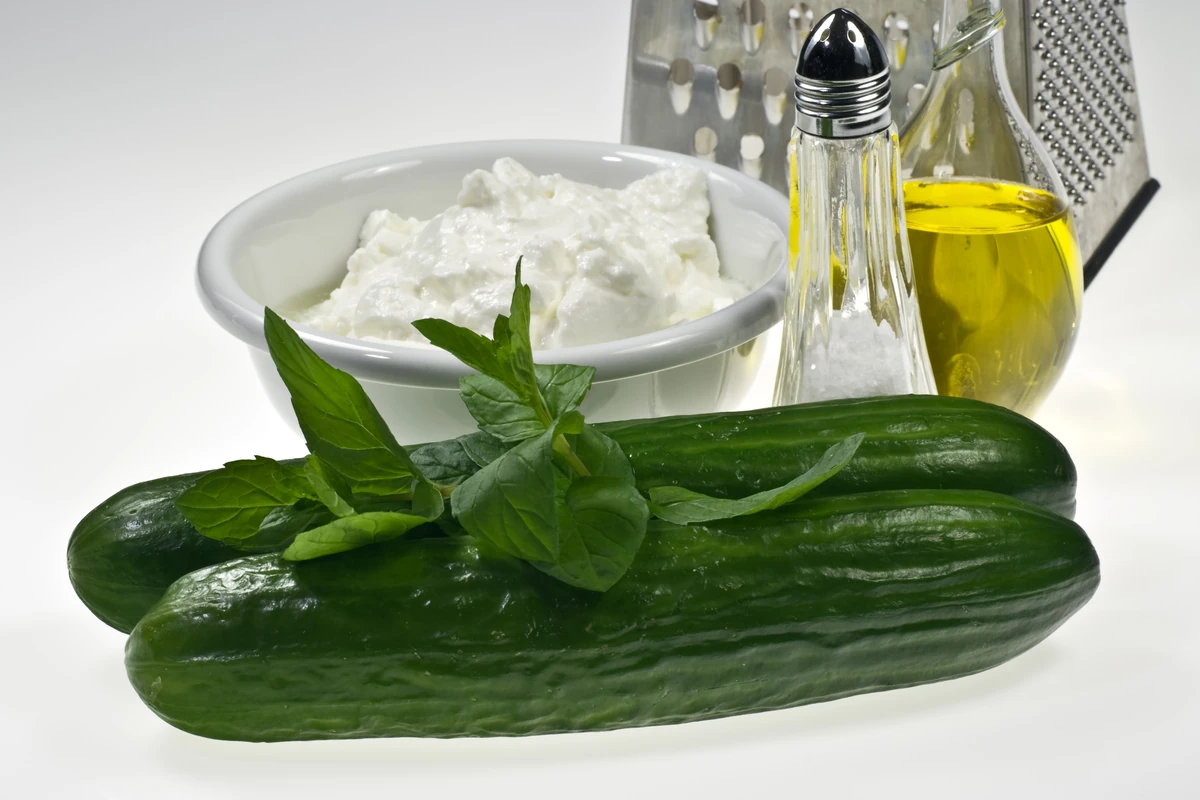
Tzatziki recipe
Serves: about 2 cups (500 g), serves 6 as a dip. Prep: 20 minutes. Cook: none. Total: 50 minutes, including 30 minutes chilling.
Ingredients
- 1 medium cucumber (about 10 oz / 300 g)
- ½ tsp fine sea salt, plus more to taste
- 2 cups (500 g) thick strained Greek yogurt (full-fat gives the creamiest result)
- 1–2 garlic cloves, finely grated
- 2 tbsp extra virgin olive oil, plus extra to serve
- 1–2 tsp red wine vinegar or lemon juice
- 1–2 tbsp chopped fresh dill (or 1 tbsp chopped mint)
- Optional: a few Kalamata olives and a pinch of dried oregano, to serve
Method
- Grate the cucumber on the coarse side of a box grater. You can leave the skin on; scoop out the seeds first if they are large and watery.
- Mix the cucumber with the salt and leave it in a sieve for 10 minutes.
- Squeeze the cucumber hard in your hands or a clean tea towel to remove as much liquid as you can.
- In a bowl, mix the yogurt, garlic, olive oil and vinegar. Stir in the cucumber and dill.
- Taste and adjust the salt and garlic. Cover and chill for at least 30 minutes so the flavours come together.
- Spoon into a bowl, make a swirl on top and finish with a drizzle of olive oil.
The secret to thick tzatziki
Cucumbers are mostly water. If you stir in grated cucumber without draining it, that water leaks into the yogurt and thins it as it sits. Salting the cucumber draws the water out, and squeezing removes it. Expect to lose a few tablespoons of liquid from one cucumber.
The yogurt matters too. Use strained (Greek-style) yogurt, which is thicker than regular yogurt. If yours is on the thin side, spoon it into a sieve lined with a coffee filter or muslin and leave it in the fridge for an hour or two to drain.
Garlic, oil and herbs
- Garlic: start with one clove. Tzatziki gets stronger as it rests, so add more after it has chilled.
- Olive oil: it rounds out the sharpness of garlic and yogurt. Use a fruity extra virgin oil, such as our Rapti Koroneiki olive oil.
- Acid: red wine vinegar is traditional in many homes; lemon juice makes it fresher.
- Herbs: dill is the most common, mint is lovely with lamb, and some cooks use neither.
How to serve tzatziki
- With grilled chicken or pork. Try it with our Greek chicken marinade.
- As part of a simple Greek mezze with olives, bread and a Greek salad.
- With fried courgettes or aubergines, or roast Greek lemon potatoes.
- Spread inside a warm pita with souvlaki and tomato.
Storage
Keep tzatziki covered in the fridge. Like other dishes made with dairy, it shouldn’t sit at room temperature for more than 2 hours (1 hour on a day above 90°F / 32°C). We suggest eating it within 2–3 days; the garlic flavour grows stronger and a little liquid may separate, so stir before serving. Tzatziki doesn’t freeze well because the yogurt turns grainy.
Variations
- Dairy-free: use a thick unsweetened plant-based yogurt; the texture will be a little looser.
- Extra herby: add a mix of dill, mint and parsley.
- With olives: scatter a few chopped Kalamata olives and a pinch of dried oregano on top.
For more Greek dips, try smoky melitzanosalata, spicy tirokafteri and taramasalata, the fish roe dip. Find more dips and dishes in ourGreek pantry recipes, and more oils in the olive oil collection.
Sources
Tzatziki: frequently asked questions
What is tzatziki made of?
Strained Greek yogurt, grated cucumber, garlic, olive oil and a little vinegar or lemon juice, usually with dill or mint.
Why is my tzatziki watery?
The cucumber wasn’t drained. Salt the grated cucumber, leave it for 10 minutes, then squeeze out as much liquid as you can.
Should I peel the cucumber for tzatziki?
You don’t have to. The skin adds colour and a little bite. Scoop out the seeds if they’re large and watery.
How long does tzatziki keep?
Covered in the fridge, we suggest eating it within 2–3 days. Don’t leave it out of the fridge for more than 2 hours.

Good things from our land, ideas for your table.
Explore the pantry journal →