
Greek Oregano vs Italian Oregano: What’s the Difference?


Greek oregano is usually Origanum vulgare subsp. hirtum, the bold, peppery oregano of Greek cooking. “Italian oregano” is a looser trade name. It can mean milder Origanum vulgare types or a hybrid of oregano and sweet marjoram (Origanum × majoricum). Labels vary, so read the label rather than the name alone.
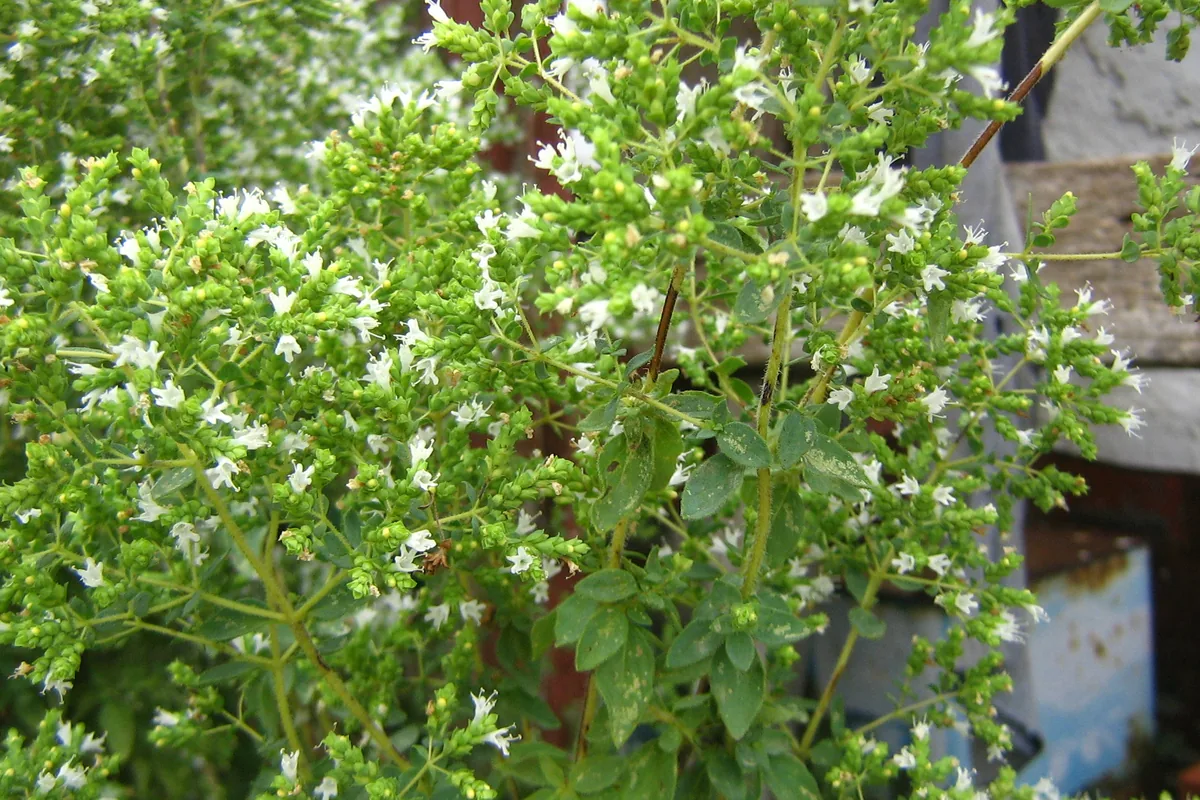
Flavour
- Greek oregano: strong, savoury and peppery, with a little numbing warmth. It holds up to grilling, roasting and long cooking.
- Italian oregano: often softer and sweeter, sometimes with a note of marjoram. Good in tomato sauces and pizza.
How to tell them apart on the label
- Look for a botanical name. Origanum vulgare subsp. hirtum is the classic Greek oregano.
- Check the origin: country and, where given, region.
- Whole dried sprigs or leaves keep their aroma longer than ground oregano. See whole leaves vs ground.
Can I swap one for the other?
Yes. Start with less Greek oregano than the recipe gives for Italian oregano, because it is stronger, then add more to taste. For other oreganos, see Mexican oregano vs Greek oregano.
Best uses
Use Greek oregano on Greek salad, lemon potatoes, grilled meat and fish, feta, and with olive oil as a dressing. Try five everyday dishes with Greek oregano, or shop dried Greek oregano, 80 g.
Greek vs Italian oregano: frequently asked questions
Is Greek oregano stronger than Italian oregano?
Usually, yes. Greek oregano (Origanum vulgare subsp. hirtum) is typically bolder and more peppery. Italian oregano is often milder.
What is Italian oregano?
It’s a loose trade name, not one species. It can mean milder Origanum vulgare types or a hybrid of oregano and marjoram (Origanum × majoricum).
Can I use Greek oregano instead of Italian?
Yes. Use a little less to start, because it’s stronger, then season to taste.

Good things from our land, ideas for your table.
Explore the pantry journal →