
Five Everyday Dishes to Make with Greek Oregano
Featured image: AI-generated pantry illustration, not a photograph of supplier inventory.
A pinch of oregano can change the direction of a meal. Potatoes with olive oil and lemon become more savory; a plate of sliced tomatoes feels complete; a simple bean salad gets a little more character. Greek oregano is especially useful when you want an herb that holds its own alongside bright acidity and generous vegetables.
For American cooks, the first question is often whether it is different from the oregano already in the spice drawer. The answer deserves a little care: “ordinary oregano” is a shopping description, not a precise botanical category. You may already have Greek-type oregano without the jar drawing attention to it.
Greek oregano and the grocery-store jar
Iowa State University Extension identifies Greek oregano as Origanum vulgare subsp. hirtum and describes its strong aroma and flavor. The same guidance notes that plants sold under the oregano name vary by species and cultivar. That makes “Greek versus regular” less clear-cut than two neat labels suggest.
Read the package for botanical identity, origin, and ingredients where supplied. A country-of-origin statement and a botanical name answer different questions: one concerns where the herb comes from, the other what plant it is. Avoid assuming that a familiar brand contains a milder herb, or that a Greek label automatically establishes an exact variety or superior quality.
Marjoram is another useful comparison. It is related to oregano, but Iowa State describes sweet marjoram as milder and sweeter. If a recipe depends on oregano’s more assertive savory character, marjoram will change the result. That can be pleasant, but it is a variation rather than an exact replacement.
Let aroma set the amount
Open your oregano and smell a small pinch. Crumble it gently between clean, dry fingers as you add it to the dish. Begin conservatively, especially when a newly opened package replaces an older jar. There is no reliable universal rule that every Greek oregano needs half as much as every other oregano; the herb’s condition and your taste matter.
If a recipe calls for dried oregano, start with its stated amount, then taste at an appropriate stage. When adding it to something uncooked, allow the dish a little time to come together before deciding it needs more. If you are comparing fresh and dried herbs, follow a recipe that specifies the form rather than treating equal volumes as an automatic match.
Five practical ways to cook with it
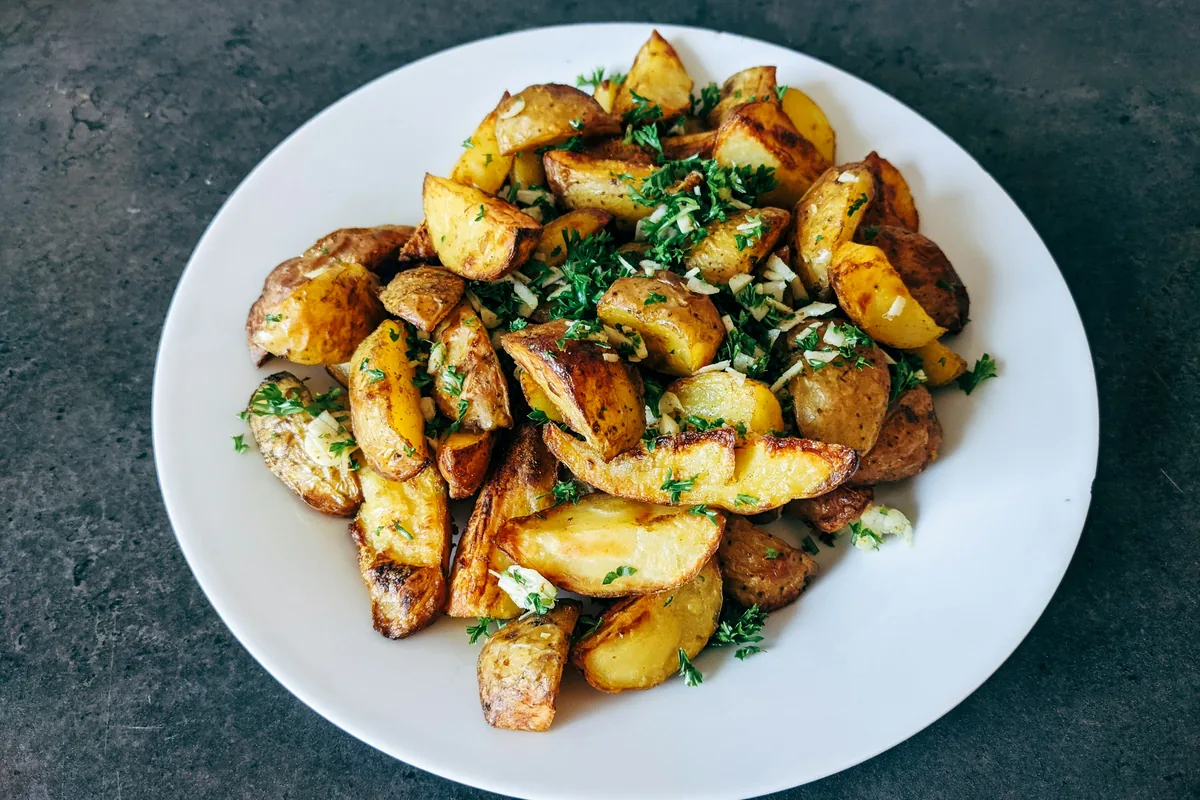
Lemon potatoes. Toss potato wedges with olive oil, lemon juice, oregano, and salt, then roast using a reliable potato recipe. Keep the pieces similar in size and check for tenderness. Taste a finished piece before adding another pinch of oregano: the lemon and salt influence how strongly the herb comes through.
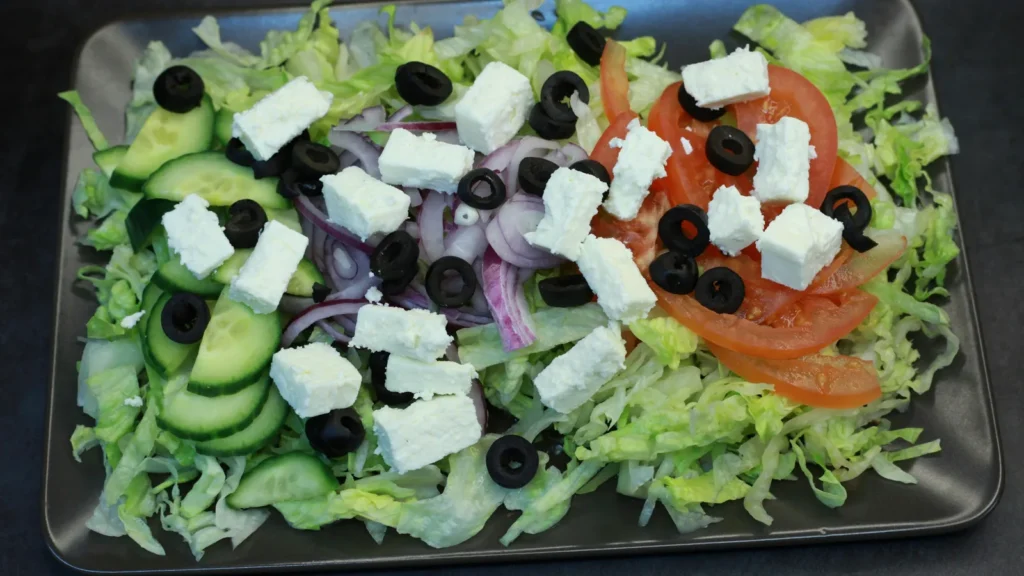
A tomato and cucumber plate. Slice ripe tomatoes and cucumber, add olive oil, and finish with a restrained pinch of oregano. Onion, olives, and feta are optional additions. The herb should complement the produce rather than cover every surface with a thick green layer.
White beans for lunch. Toss cooked, drained white beans with olive oil, a little lemon juice, chopped parsley, and oregano. Add diced vegetables if you like. Taste before salting when using canned beans, and keep refrigerated until serving. This is a flexible lunch idea, not a fixed traditional recipe.
Chicken or vegetables. Combine oregano with olive oil and lemon as part of a seasoning mixture for chicken, zucchini, or peppers. Follow a suitable recipe for quantities and cooking, and use separate utensils for raw meat and ready-to-eat food. Oregano supplies flavor; it does not replace safe handling or proper cooking.
A familiar tomato sauce. Add a small amount to a simmering tomato sauce for pasta, then taste before serving. Greek oregano does not require an exclusively Greek menu. University of Maryland Extension lists oregano with pizza, lemon-seasoned lamb or steak, and Italian-style sauces—a useful reminder of its range.
Store it where flavor lasts longer
Iowa State recommends keeping fully dried oregano in an airtight container away from heat and light. A closed cupboard is a better home than a sunlit shelf or a rack above the stove. Keep the herb dry, close the container after cooking, and follow the package’s date and storage instructions.
Choose a quantity that suits your cooking. If you use oregano only occasionally, a smaller package gives you a practical way to explore it without accumulating a large supply. If you cook potatoes, beans, salads, and sauces regularly, you already have several opportunities to use it.
Explore Greek oregano and begin with a familiar dish. The best introduction is often a modest pinch in food you already know well enough to notice the difference.
Sources & further reading
Continue exploring this ingredient
Browse the oregano guide library, then explore Oregano vs Sweet Marjoram in Cooking and Mexican Oregano vs Greek Oregano: Read the Ingredient.

Good things from our land, ideas for your table.
Explore the pantry journal →