
Greek Extra Virgin Olive Oil: A Better Everyday Kitchen Routine
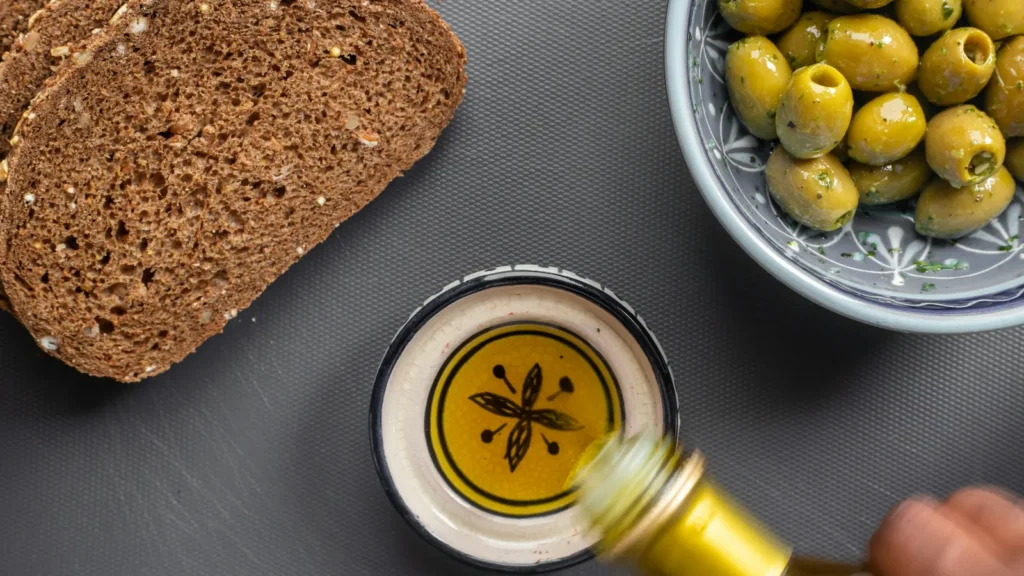
Featured image: AI-generated pantry illustration, not a photograph of supplier inventory.
A bottle of Greek extra virgin olive oil earns its place in the kitchen when you reach for it on an ordinary Tuesday. It can bring a tomato salad together, give roasted vegetables a savory finish, or turn bread and a bowl of beans into a satisfying lunch. You do not need a special occasion—or a shelf full of bottles—to enjoy it well.
The useful question is how to choose a bottle for the way you cook, keep it in good condition, and use it often enough to appreciate its flavor. Here is a practical approach for an American home kitchen.

Start with the label, then your cooking habits
For a bottle-by-bottle decision, begin with our guide to choosing Greek olive oil. If your question is about the pack rather than the country, compare olive oil tins and glass bottles before choosing a size for your kitchen.
Look for the words “extra virgin olive oil.” The International Olive Council defines this as a category of mechanically obtained virgin olive oil that meets chemical and sensory requirements. A Greek flag, handsome bottle, or the phrase “premium quality” does not establish that category by itself. Check the actual designation and country-of-origin information.
Read the information available about the producer, olive variety, and origin. Greece includes many growing areas, including Laconia, the Mani peninsula, and Crete. A regional name can help you understand a bottle’s background, but it is not a promise that every oil from that place tastes alike. Harvest, fruit, processing, and storage all matter. Use regional information as a starting point for discovery rather than a league table.
If the label provides a harvest date, consider it alongside the best-before date and storage instructions. Neither date tells the whole story of how the bottle was handled. Choose a size you will use regularly: the largest container is not automatically the best purchase if it spends a long time open in your cupboard. A modest bottle is a sensible first step when you are exploring an unfamiliar oil.
Taste it with food you know
Pour a small amount onto a plain plate and try it with bread, a cooked potato, or a slice of tomato. Notice what it contributes: perhaps a grassy impression, fruitiness, bitterness, or a peppery finish. Those words are tasting observations, not promises about a particular product. You may prefer a gentler oil for one meal and a more assertive one for another.
For a useful comparison, dress two small portions of the same food with different oils. Keep the salt and lemon the same. This makes it easier to notice the oil instead of comparing two entirely different dishes. There is no need to choose the strongest bottle to prove you have good taste; choose the one you enjoy using.
Give the bottle a better home
The International Olive Council advises protecting olive oil from excessive heat, air, humidity, and especially light. In practice, keep your bottle tightly closed in a cool, dark cupboard, away from the stove and a sunny window. The attractive spot beside the cooktop is convenient, but convenience is not always good storage.
Keep the original packaging and label so you retain the product’s dates and instructions. If you use a smaller serving bottle, choose a clean, dry container, transfer only a small amount, and close both containers promptly. Avoid repeatedly topping up a decorative cruet with new oil while old oil remains at the bottom. Follow the producer’s guidance rather than relying on one universal countdown for every bottle.
Build three easy habits around it
Make a simple dressing. Start with three tablespoons of olive oil and one tablespoon of lemon juice or vinegar. Add a small pinch of salt, whisk, and taste on a salad leaf. Adjust the balance to your food: tomatoes may need less acidity, while a grain salad may welcome more. This ratio is a kitchen starting point, not a rule.
Finish warm vegetables. Add a little oil to cooked potatoes, carrots, zucchini, or green beans, then season with lemon and a pinch of oregano. Add it gradually so the vegetables taste dressed rather than submerged. Warm beans with olive oil and chopped parsley make another easy side or lunch.
Use it in everyday cooking. Olive oil also has a place in cooked dishes; it need not be reserved for the table. Use an appropriate cooking method, avoid overheating it, and follow your recipe. Saving a little of an oil you especially enjoy for the final drizzle lets you appreciate its flavor directly.
Start with one bottle, a few familiar dishes, and sensible storage. Explore Greek olive oil with your own kitchen in mind, and let regular use tell you what deserves a permanent place in your pantry.
Sources & further reading
Continue exploring this ingredient
Browse the olive oil guide library, then explore Olive Oil Acidity Is Not a Sourness Score and How to Compare Olive Oil Prices per Litre. For a named producer and pack, see Rapti Koroneiki Olive Oil, Messinia — 500ml.

Good things from our land, ideas for your table.
Explore the pantry journal →