
Olive Oil Tin vs Glass Bottle: Which Fits Your Kitchen?
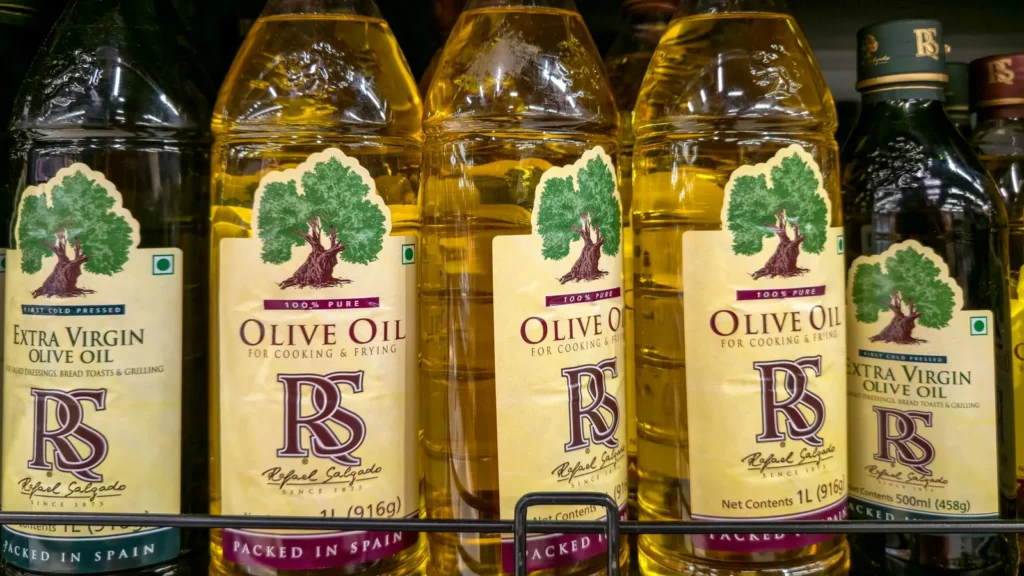
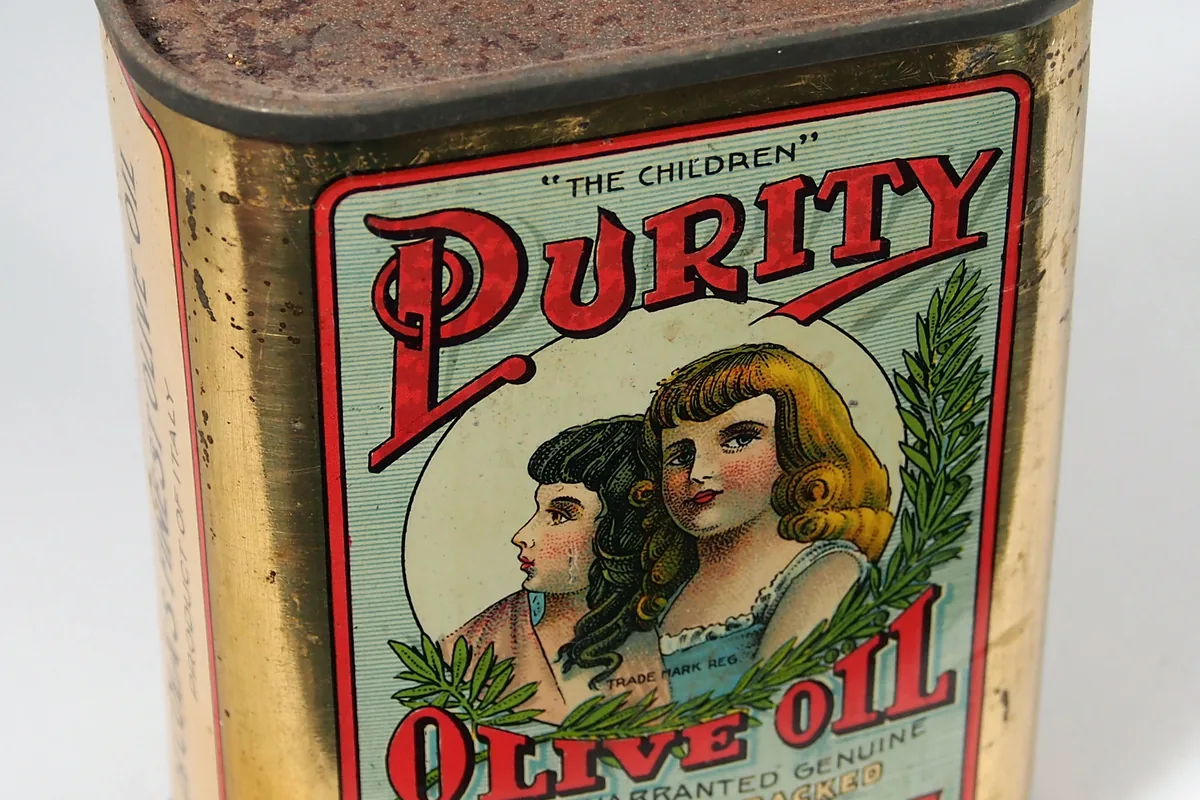
Choosing between an olive oil tin and a glass bottle starts with how you store and use the oil. A tin blocks light through its walls. A glass bottle may provide protection through dark glass, a covering label or another design feature. Both deserve a sound closure and a suitable place in the kitchen.
Packaging is one part of the decision. It does not establish the oil’s grade, origin or flavor. Compare those details separately, then choose a container that makes everyday handling easy.
Light protection is a practical difference
UC Davis Food Quality explains that metal packaging such as tinplate keeps light out of the oil. Clear glass exposes it to light, although labels and protective coatings can change the protection a bottle provides. The useful comparison is therefore not simply metal against all glass.
Look at the complete container. Is the glass dark or clear? How much does its label cover? Will it stand in a cupboard or on an exposed counter? A handsome bottle on a sunny shelf faces a different situation from the same bottle stored away from light.
The North American Olive Oil Association identifies glass and lined tin among suitable packaging options when they have a secure seal or cap. Container material and closure work together. Neither gives you permission to ignore the product’s storage directions.
Check the size you will actually use
Tins and bottles come in different sizes, so separate capacity from material. A large tin may fit a household that uses oil frequently; a small bottle may be convenient for occasional finishing. That is a routine question rather than a universal packaging ranking.
Think about your recent cooking, not the cooking you hope to start. How often do you pour oil? Do you use it in salads and cooked dishes, or just for an occasional finishing drizzle? Choose a size based on that pattern and the producer’s guidance.
Also check the storage space before choosing a large container. Can it stand upright, close properly and remain away from stove heat? A convenient cupboard location is more useful than a container you repeatedly leave on the counter because it does not fit.
Pouring affects daily convenience
Inspect the opening, cap and any pouring feature described by the producer. A container that is easy to grip and pour from can help you use a modest amount without making a mess. A photograph alone may not tell you how its spout behaves.
If a larger container feels awkward, consider that before purchase rather than assuming you must transfer the oil later. Decanting is an additional handling step. It involves a suitable clean container, a closure and retaining the original product information.
For regular cooking, consistency matters. You want to open, pour and close the container comfortably, then put it back in its storage place. An ornamental dispenser is not automatically a better storage solution.
Keep the original label information
The container should help you retain the oil category, origin, date information and storage instructions. A country-inspired design does not answer those questions. Read the actual label on either a tin or a bottle.
If you compare prices or capacities, compare equivalent units and oil categories. A bigger package and a different grade are two changes at once. Do not attribute the whole difference to tin versus glass.
Our guide to choosing Greek olive oil covers the broader label checklist. Packaging adds a storage and handling decision to that process.
What packaging cannot prove
A tin does not prove a particular harvest date. Dark glass does not establish a laboratory result. Neither material certifies that the oil is extra virgin, authentic or from the region shown in the design. Those claims need their own product evidence.
There is also no single environmental winner you can infer from appearance alone. Container weight, size, reuse, transport and local disposal arrangements are separate questions. This guide does not compare those life cycles.
Make the choice around your routine
Ask four questions: does the package limit light; does it close securely; can I pour from it comfortably; and does its size fit how I use oil? Then read the storage guidance and decide where it will live.
Explore the Greek olive oil collection and check the packaging details supplied for each product. A well-chosen tin or bottle should support a simple habit: pour what you need, close it and store it appropriately.
Related guides and sources
Keep packaging separate from the oil itself: our filtered versus unfiltered oil guide answers a different label question. Use the choosing Greek olive oil checklist to compare those details together.
UC Davis Food Quality: olive oil packaging
North American Olive Oil Association: packaging FAQ
Continue exploring this ingredient
Browse the olive oil guide library, then explore Writing an Olive Oil Menu Description You Can Support and An Olive Oil Supplier Sample Brief for Kitchens. For a named producer and pack, see Rapti Koroneiki Olive Oil, Messinia — 500ml.

Good things from our land, ideas for your table.
Explore the pantry journal →