

How to Make Greek Coffee in a Briki: Foam and Sweetness
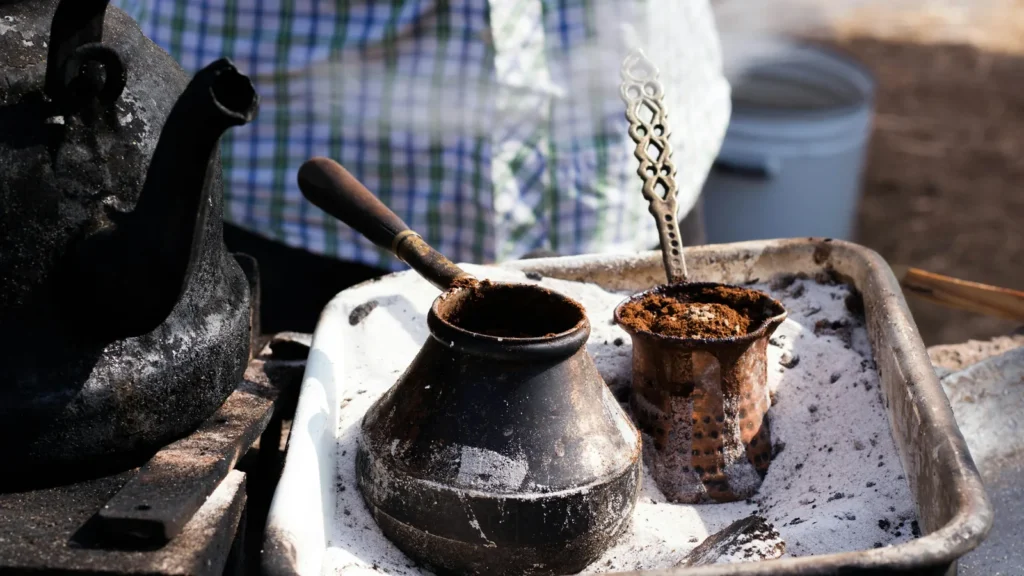
Learning how to make Greek coffee starts with a small pot, a coffee intended for the method and a little attention to the rising surface. The briki is the pot used to heat the coffee and water together. You serve the drink into a small cup and take your time with it.
Also in this guide: How to Choose a Greek Coffee Roast · What Size Greek Coffee Pack Do You Need? · Greek Coffee Gift Set: What Makes It Useful? · Greek Coffee vs Espresso: Different Methods, Small Cups · Greek Coffee vs Instant Coffee: Read the Preparation · How to Read a Greek Coffee Packet · Serving Greek Coffee to Several Guests · Serving Pasteli with Greek Coffee: A Simple Host’s Sequence
Your pack’s guidance comes first. Cup size, coffee blend and equipment can differ, so a producer’s method is a clearer starting point than an unlabeled spoonful or a promise that one formula always makes perfect foam.
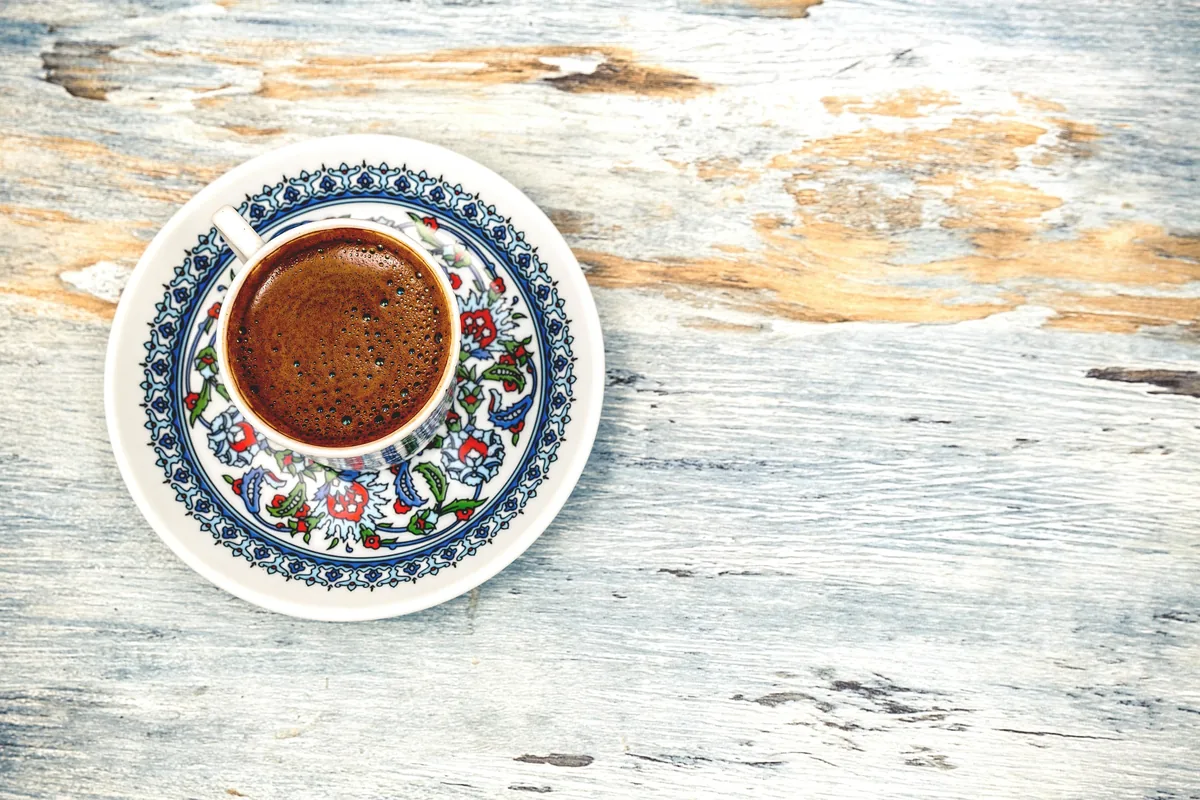
Start with the right coffee and briki
Choose ground coffee labeled for Greek coffee preparation. It is associated with a fine grind; do not assume that a coffee ground for another brewing method will give the same cup. If buying from a roaster, explain that you want to prepare it in a briki.
Check that the pot suits your heat source and the number of cups you intend to make. Leave space for the surface to rise. Place the handle where you can reach it safely, keep the pot stable and prepare your cup before turning on the heat.
A producer example for one medium-sweet cup
Loumidis Papagalos, on Nestlé’s consumer site, gives this example: put 70 ml of room-temperature water into a clean, dry, narrow-necked briki, heat on low, add 7 g of coffee and about 4 g of sugar for a medium-sweet cup, then stir to combine. Watch for the coffee to rise and pour slowly.
Those quantities belong to that producer’s example. They are not a recipe physically tested by Greek Bounty with our coffee. Loumidis’s FAQ separately gives 5 g of coffee with 50 ml of water as a single-cup quantity, illustrating why you should read the directions selected for your product and serving.
Keep the example together: the amount of coffee, water, sweetness and cup size form a method. If your pack supplies different quantities, start there. Measuring the water and coffee makes the result easier to repeat than guessing from a cup filled to an uncertain point.
Watch the coffee, not a universal timer
Stir at the beginning to combine the ingredients, as the producer example describes. Stay beside the pot as it heats. The surface rising is your practical cue to pay attention; do not leave the briki to continue unattended while you prepare something else.
Remove it from the heat before it overflows and serve with a controlled, gentle pour. A fixed number of minutes cannot account for every burner, pot and water quantity. Keep those variables consistent while learning your equipment.
What is kaimaki?
Kaimaki is the foam on the surface of Greek coffee. Greek coffee producer Jago describes it as a characteristic part of the preparation and explains the role of serving in preserving its texture. It is something to observe while learning, rather than a reason to declare your first cup a failure.
Notice when the surface begins rising and how the pour changes it. If the foam is disappointing, review your coffee’s directions, your heat and your serving technique before increasing the dose. Change one thing at a time and write down what happened.
Sketos, metrios and glykos
These words describe sweetness. Sketos means without sugar, metrios is medium-sweet, and glykos is sweet. They do not identify the roast or guarantee a particular coffee strength. When making a cup for someone else, ask which sweetness they prefer before preparing it.
Exact sugar ratios are not universal. Jago’s examples and Loumidis’s medium-sweet method use different measurements. Decide on the recipe you are following and measure its sugar at the start. Once you know that cup, you can adjust to your own preference. If you would rather sweeten with honey, see our guide to honey in coffee and tea.
Serving and the grounds at the bottom
Greek coffee is served with fine grounds still in the cup. Allow them to settle before sipping and leave the sediment at the bottom. Avoid repeatedly stirring the finished drink, which mixes the grounds back into it.
Sip slowly rather than treating the cup like an espresso shot. If it feels gritty, give the grounds more time to settle and leave more of the final portion behind. You do not need to drink everything in the cup to finish the serving.
Can I make it without a briki?
A small suitable saucepan can heat coffee and water, but its shape and pouring edge may behave differently. Do not expect it to reproduce the same foam or serving experience automatically. Follow the cookware’s heat-source instructions and make a modest serving while you learn.
If you plan to make Greek coffee regularly, a briki suited to your stove makes the intended preparation easier to follow. Keep the choice practical: capacity, stability and a comfortable controlled pour matter more than a decorative finish.
Keep a useful first-cup record
Record the coffee, its stated preparation guidance, water volume, coffee amount, sugar, pot and heat setting. Add a short note about flavor and foam. On the next cup, adjust only the aspect you want to change.
Follow the pack’s storage instructions and close it after measuring. Explore the Greek coffee collection and read the details supplied for each coffee. Your goal is a cup you enjoy and can repeat, with the product’s own guidance as the starting point.
How to Choose a Greek Coffee Roast
Choose a Greek coffee roast by comparing the maker’s descriptions and trying a clearly named variant. Roast, blend and grind are separate features: a darker roast is not a sweetness instruction, and its name alone does not tell you the caffeine in your cup.
Compare within a described range
The National Coffee Association’s roast introduction explains the broad roast categories. These are useful background, while each maker’s actual coffee remains the more precise shopping reference.
For example, Loumidis’s range distinguishes a dark version from its traditional coffee. That lets a shopper compare named products within the range; it does not establish that every brand’s dark Greek coffee has the same taste or beans.
Keep the brew familiar while trying a roast
Choose coffee intended for briki preparation. When comparing two products, use their directions and keep a record of the coffee, water, cup and sweetness. If the blend and dose change as well as the roast, you are comparing complete drinks rather than isolating roast alone.
Describe what you actually enjoy: an aroma, a degree of bitterness or a familiar product. Those details are more helpful when asking a seller for a recommendation than the word strong, which can mean different things. Our Greek coffee guide explains preparation and sweetness separately.
Buy an amount you can enjoy regularly
For a first taste of an unfamiliar coffee, a manageable pack is often more useful than committing to a large quantity. Keep its exact variant name so you can find it again. Changing from one to two servings is an equipment question; consult the briki sizing guide before adjusting a batch.
Explore the Greek coffee collection and ask how a named roast compares with the product you already like.
What Size Greek Coffee Pack Do You Need?
Choose a Greek coffee pack by the amount you normally brew. Multiply the grams used per preparation by the number of preparations you expect to make; compare that result with the pack weight. For an unfamiliar coffee, begin with an amount you can try regularly.
A simple pack calculation
Suppose your chosen recipe uses 7 g per preparation and you make ten preparations: 7 × 10 = 70 g. This is an arithmetic example; use your actual coffee’s dose. If one preparation serves two people, count the batch once rather than counting its full dose twice.
Our Greek coffee guide explains the method. For two servings, use the briki capacity guide to resolve the batch size first.
Compare price and practical use
When prices are available, divide the price by the pack weight to compare the same unit. For example, a hypothetical £6 pack weighing 200 g costs £3 per 100 g. A lower unit price only helps if you like the coffee and will use the quantity.
After opening, protect coffee from air, moisture, heat and light, as explained by the National Coffee Association, and follow the packet’s directions. Keep its name and date information if changing containers.
Browse the Greek coffee collection for descriptions and ask about a specific variant and quantity. Base the next purchase on what you actually used, rather than the number of cups pictured on a pack.
Greek Coffee Gift Set: What Makes It Useful?
A useful Greek coffee gift set starts with coffee intended for briki preparation and instructions the recipient can follow. Add a pot only if they need one and it suits their hob. Cups and presentation are finishing choices after those essentials.
For someone who already makes Greek coffee
Find the exact coffee or roast they enjoy and choose a manageable pack. They may prefer a familiar coffee to another pot. Keep the coffee sealed in its original packet, with the preparation, quantity and date information intact.
If adding cups, check their usable capacity against the recipient’s normal serving. A decorative demitasse is not automatically the same size as the cup assumed by a recipe.
For a beginner
Include a suitable briki, coffee, a cup and the producer’s directions. Check the pot maker’s heat-source compatibility, usable capacity and care instructions before choosing it. Our briki capacity guide explains why a two-cup label deserves a closer look.
Add a short link to the Greek coffee preparation guide. Explain that the fine grounds settle in the cup and are left behind while drinking. This small serving note makes the gift easier to enjoy on its first use.
Finish the set thoughtfully
Avoid decanting the coffee into an unlabelled display jar. The National Coffee Association’s storage guidance recommends protection from air, moisture, heat and light; retain the maker’s storage directions with the gift.
A tray or spoon can be a pleasant addition, but neither replaces compatible equipment and readable instructions. Explore the Greek coffee collection for product descriptions. This checklist is for assembling a personal gift; it does not describe an offered Greek Bounty bundle.
Greek Coffee vs Espresso: Different Methods, Small Cups
Greek coffee and espresso use different brewing methods. Greek coffee heats fine grounds with water in a briki and leaves sediment in the serving cup. Espresso pushes water through a prepared bed of coffee under pressure. A small cup is the similarity you can see; the extraction is different.
What happens to the grounds?
The National Coffee Association’s espresso guide describes pressure-driven brewing. The machine’s basket holds the coffee bed while the drink flows into the cup. Briki preparation keeps grounds in the heated mixture and pours them with the drink; they settle as the cup rests.
A first-time Greek coffee drinker should sip above that settled layer and leave the final sediment. Our Greek coffee preparation guide explains the sequence. This is a different drinking experience from finishing an espresso.
Kaimaki and crema belong to their methods
Greek coffee’s surface foam is commonly called kaimaki, while espresso has crema. They are not a shared quality scale. The surface appearance alone cannot establish how the drink tastes, what beans it contains or how much caffeine the serving provides.
Keep coffee and equipment matched to the chosen preparation. A packet intended for Greek coffee is not automatically suitable for an espresso machine simply because the grind looks fine; follow the coffee and equipment instructions.
Ordering and serving
For Greek coffee, communicate the sweetness preference before preparation. Loumidis’s method shows sugar included during briki preparation. Espresso-based orders may involve other recipes and serving sizes.
For more than one briki serving, check the pot’s usable capacity. Explore the Greek coffee collection for the category, keeping roast, sweetness and serving size as separate choices.
Greek Coffee vs Instant Coffee: Read the Preparation
Greek coffee uses finely ground coffee heated with water in a briki; instant coffee is a soluble coffee product mixed with water. The difference is in the ingredient and preparation, not whether the finished drink comes in a small cup.
Ground coffee remains in the Greek coffee cup
In briki preparation, coffee grounds and water heat together. Sugar, when wanted, goes into the preparation, and the drink is poured without filtering out the fine grounds. Let them settle before sipping and leave the sediment behind. The Greek coffee guide explains this serving routine.
Loumidis’s briki example illustrates this ground-coffee method. Its recipe belongs to that producer; use the directions for the coffee you select.
Instant coffee is made to dissolve
The National Coffee Association’s instant-coffee introduction describes a product made from brewed coffee that has been dried. It is prepared by adding water, rather than brewing a fresh bed of grounds in the cup. Follow the packet for water temperature and quantity.
Instant coffee can also appear in cold drinks, but a cold serving alone does not identify its ingredients. A Greek café’s frappé and a briki coffee are different orders; the country associated with a drink does not make their preparation interchangeable.
Choose equipment after choosing the method
For briki coffee, check that you have a suitable pot, heat source and serving cup. Our two-cup briki guide helps with capacity. Instant coffee usually needs a vessel for mixing and the water specified by its maker.
Neither method name provides a reliable caffeine comparison without the products and portions. Use the Greek coffee collection to explore the ground-coffee category and ask about a specific product’s intended method.
How to Read a Greek Coffee Packet
Read a Greek coffee packet in this order: preparation method, exact blend or roast, ingredients, origin statements, then pack quantity and dates. The front name helps you find a product; the rest tells you whether it is the one you want to brew.
Find the method and exact variant
Look for directions identifying Greek coffee or briki preparation. Ground coffee intended for another method may look similar but behave differently. Note the full variant name: a traditional blend, a dark roast and a flavoured coffee under one brand can be different products.
The Greek coffee guide explains the briki method. Keep the packet’s water and coffee measures as the starting point for that particular coffee.
Separate bean origin from roasting location
A Greek brand, Greek roasting address and bean-growing country describe different parts of the supply chain. For example, Loumidis’s FAQs discuss its production in Greece separately from its blends. Do not turn a roaster’s address into a claim that the coffee beans grew there.
For a quick comparison, write three entries: brand and variant; stated roasting or packing location; bean origin if stated. An absent origin statement is a question for the maker, not a gap to fill from a flag on the packet.
Finish with the details you will use at home
Check the net weight, date information and storage directions. Retain these if transferring coffee into a container. A roast term describes the coffee; sketos, metrios and glykos describe sweetness choices when preparing the drink.
Finally, compare the packet’s preparation with the cups and pot you own. The briki capacity guide helps interpret serving size. Browse the Greek coffee collection using an exact variant name when asking about a product.
Serving Greek Coffee to Several Guests
Take everyone’s Greek coffee order before heating the briki. Group compatible sweetness choices into batches your pot can comfortably prepare, and set out the matching cups first. Smaller, organised batches are easier to serve than one oversized pot made to satisfy different orders.
Collect sweetness choices
Ask guests whether they want no sugar, medium sweet or sweet. If using sketos, metrios and glykos, explain them in plain language. Write a short order beside each seat position: for example, seats one and three no sugar, seat two medium sweet.
Sugar is incorporated during the preparation in Loumidis’s briki example. That makes the initial order useful. Use the selected coffee’s quantities rather than assuming every medium-sweet recipe has one universal sugar measure.
Plan the batches
Check the pot’s working capacity and your serving cups. Two guests choosing the same sweetness may share a batch when the equipment and method allow it; three orders do not justify filling a two-serving pot higher. See the briki sizing guide.
Prepare the cups, saucers and a clear place to set the pot down. Keep the order note away from the heat. Follow the coffee as it rises rather than leaving it unattended to finish arranging the tray.
Serve in a clear sequence
Match each cup to its order before carrying it to the table. If separate batches are needed, tell guests they will arrive in sequence. A first-time drinker only needs a brief explanation: let the grounds settle, sip gently and leave the sediment behind.
Our Greek coffee guide covers that serving routine. Explore the Greek coffee collection for product details, and keep the batch sizes that worked with your own pots and cups for the next gathering.
Serving Pasteli with Greek Coffee: A Simple Host’s Sequence
Set out pasteli before making Greek coffee so the sweet plates and serving pieces are ready when the coffee needs your attention. Offer the sweet separately, letting each person choose a piece and their preferred coffee style.
Prepare small, manageable pieces
Use the product’s existing portion format where convenient. If a larger bar needs dividing, do that before the hot drink is being made and collect the pieces on a small plate. Keep different varieties separate and retain their ingredient information. Our pasteli guide explains the range of sesame sweets.
Give the sweet a place beside the cup
A small plate gives crumbs and the remaining piece somewhere to go without crowding the coffee saucer. Put a shared serving utensil with a shared dish, or provide a place for wrappers when portions remain individually packed. Arrange the table so nobody needs to reach across hot cups.
Ask about coffee preferences first
Confirm how each person wants their coffee before brewing. Our Greek coffee guide covers preparation and the small-pot method. Having a sweet on the table does not determine everyone’s preferred sweetness in the cup.
Enjoy the combination without a rulebook
Try a small piece with the drink and decide what you like about the texture and flavour. A crunchy bar and a softer sesame sweet make different companions, so the product matters more than a universal pairing claim. Visit Greece introduces pasteli within the wider Greek sweet tradition. Explore the pasteli collection for the category.
More on Greek coffee: what a briki is and how to choose one, Greek vs Turkish coffee and how to make a Greek frappé.
Greek coffee: frequently asked questions
How do I choose a Greek coffee roast?
Choose a Greek coffee roast by comparing the maker’s descriptions and trying a clearly named variant. Roast, blend and grind are separate features: a darker roast is not a sweetness instruction, and its name alone does not tell you the caffeine in your cup.
What size Greek coffee pack should I buy?
Choose a Greek coffee pack by the amount you normally brew. Multiply the grams used per preparation by the number of preparations you expect to make; compare that result with the pack weight. For an unfamiliar coffee, begin with an amount you can try regularly.
What makes a useful Greek coffee gift set?
A useful Greek coffee gift set starts with coffee intended for briki preparation and instructions the recipient can follow. Add a pot only if they need one and it suits their hob. Cups and presentation are finishing choices after those essentials.
What is the difference between Greek coffee and espresso?
Greek coffee and espresso use different brewing methods. Greek coffee heats fine grounds with water in a briki and leaves sediment in the serving cup. Espresso pushes water through a prepared bed of coffee under pressure. A small cup is the similarity you can see; the extraction is different.
How is Greek coffee different from instant coffee?
Greek coffee uses finely ground coffee heated with water in a briki; instant coffee is a soluble coffee product mixed with water. The difference is in the ingredient and preparation, not whether the finished drink comes in a small cup.
How do I read a Greek coffee packet?
Read a Greek coffee packet in this order: preparation method, exact blend or roast, ingredients, origin statements, then pack quantity and dates. The front name helps you find a product; the rest tells you whether it is the one you want to brew.
How do I serve Greek coffee to several guests?
Take everyone’s Greek coffee order before heating the briki. Group compatible sweetness choices into batches your pot can comfortably prepare, and set out the matching cups first. Smaller, organised batches are easier to serve than one oversized pot made to satisfy different orders.
How do I serve pasteli with Greek coffee?
Set out pasteli before making Greek coffee so the sweet plates and serving pieces are ready when the coffee needs your attention. Offer the sweet separately, letting each person choose a piece and their preferred coffee style.
Sources
Loumidis Papagalos: preparation example
Loumidis Papagalos: product FAQs
Jago: Greek coffee preparation
Continue exploring this ingredient
Browse the coffee guide library, then explore What Size Greek Coffee Pack Do You Need? and Greek Coffee vs Instant Coffee: Read the Preparation.