
Raw Honey vs Regular Honey: What the Labels Really Mean
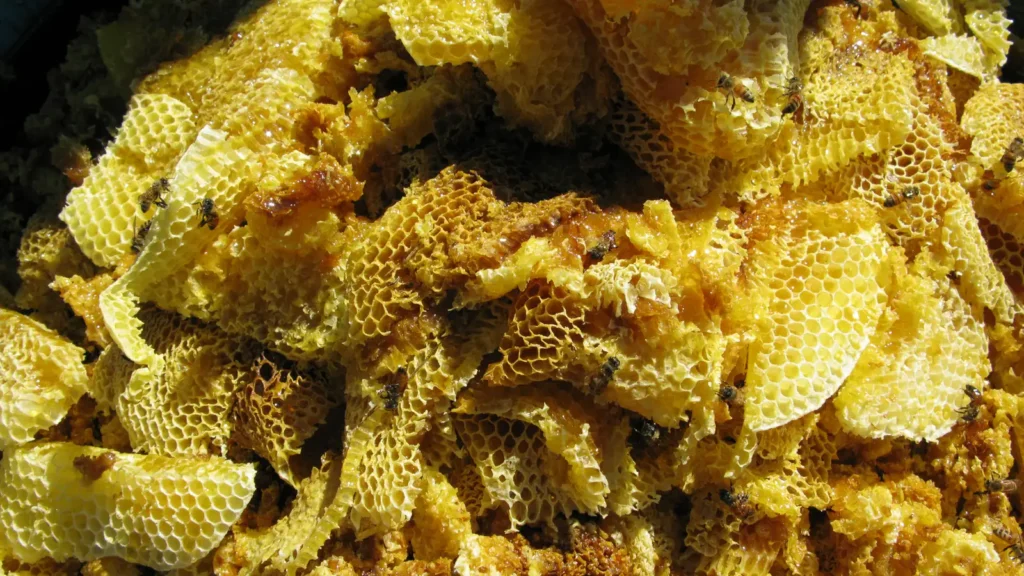

Raw honey generally means honey that has not been heated or finely filtered, while regular honey on supermarket shelves has usually been warmed and filtered so it stays clear and liquid for longer. The difference is mostly about processing, texture and how quickly the honey crystallizes. Here is what the labels mean, what research says about nutrients, and how to choose.
Is there a legal definition of raw honey?
Not in the United States. The National Honey Board notes that there is no official US federal definition of “raw” honey, although the term generally means honey that has not been heated or filtered. The US FDA’s guidance covers what may be labelled “honey” and says that honey blended with other sweeteners must be labelled as a blend. In the European Union, the honey directive defines categories such as comb honey, filtered honey and baker’s honey, and sets out that honey sold as honey should not be heated in a way that destroys or significantly inactivates its natural enzymes.
Raw vs regular honey at a glance
| Raw honey (typical) | Regular honey (typical) | |
|---|---|---|
| Heating | Not heated beyond what is needed to extract and strain | Warmed to make it flow, and often heated further to delay crystallization |
| Filtering | Strained to remove wax and bee parts; may keep fine particles and pollen | Finely filtered so it looks clear; most pollen and air bubbles removed |
| Appearance | Can be cloudy; may set or crystallize sooner | Clear and glossy |
| Crystallization | Usually sooner | Usually later |
| Flavour | Depends on the floral source | Depends on the floral source; blends are common |
What filtering and heating do
According to USDA grading standards, filtered honey has been filtered to the point that all or most of the fine particles, pollen grains and air bubbles have been removed. The National Honey Board explains that packers filter and warm honey mainly because many shoppers prefer honey that is clear and stays liquid: fine particles and air bubbles speed up crystallization. Honey filtered in the usual ways is still honey. Ultrafiltration, a different high-pressure process with added water, produces a sweetener that is not considered honey in the US.
Is raw honey more nutritious?
This is the most common question, and the evidence is less exciting than the marketing. The National Honey Board points out that the pollen in honey is a minuscule amount. It cites a 2012 study it commissioned, which found that processing significantly reduced pollen content but did not affect nutrient content or antioxidant activity. In short: choose raw honey for its texture, flavour and minimal handling, not for health claims. Both raw and regular honey are mostly sugars (see our honey nutrition facts).
Raw honey and crystallization
All honey crystallizes eventually; it is a natural process, not a sign of spoilage. Raw honey tends to do it sooner. If your jar sets, warm it gently in a bowl of warm water; our guide on how to decrystallize honey has the details. Many people enjoy the spreadable texture; see creamed honey vs liquid honey. Honey keeps for a very long time when sealed; read does honey go bad? for storage tips.
Is raw honey safe?
For most people, yes. The important exception is babies: no honey of any kind, raw or regular, should be given to infants under 12 months, as the CDC advises, because honey can contain spores that cause infant botulism. The National Honey Board notes that honey is safe for adults, including during pregnancy.
How to choose
- Read the label for the floral source, country and producer; these affect flavour more than processing does.
- Expect raw honey to look cloudy or set over time; that is normal.
- For a distinctive raw honey, try a single-flower variety such as Greek thyme honey, or our Kalymnos raw thyme honey.
- Use mild, everyday honey for baking and heavy cooking, and save a fine raw honey for drizzling, where you taste it most.
Browse the Greek honey collection, and find more honey questions answered in our pantry guide library.
Sources
- National Honey Board: Honey FAQ (substituting honey for sugar, raw and filtered honey, infants)
- USDA AMS: Extracted honey grades and standards
- US FDA: Guidance for industry, proper labeling of honey and honey products
- EUR-Lex: Council Directive 2001/110/EC relating to honey
- CDC: Foods and drinks to avoid or limit for infants
Raw honey vs regular honey: frequently asked questions
What is the difference between raw honey and regular honey?
Raw honey is generally not heated or finely filtered. Regular honey is usually warmed and filtered so it stays clear and liquid for longer.
Is raw honey healthier than regular honey?
A study cited by the National Honey Board found processing reduced pollen but did not affect nutrient content or antioxidant activity. Choose raw honey for flavour and texture.
Why does raw honey crystallize faster?
Fine particles and air bubbles, which filtering removes, give crystals somewhere to start forming.
Can babies have raw honey?
No. Babies under 12 months should not have any honey, raw or regular.

Good things from our land, ideas for your table.
Explore the pantry journal →