
Avgolemono Soup: Greek Lemon Chicken Soup with Egg and Rice


Avgolemono soup is Greek chicken soup made silky with eggs and lemon. Avgolemono means “egg-lemon”, and it is also the name of the sauce itself, which Greek cooks use with stuffed vine leaves, meatballs and vegetables. In the soup, whisked eggs and lemon juice are warmed with hot broth and stirred into the pot, giving a creamy, bright soup without any cream. It is a classic comfort food in Greece, especially in winter. At Easter, an egg and lemon sauce also finishes magiritsa; see Greek Easter food.
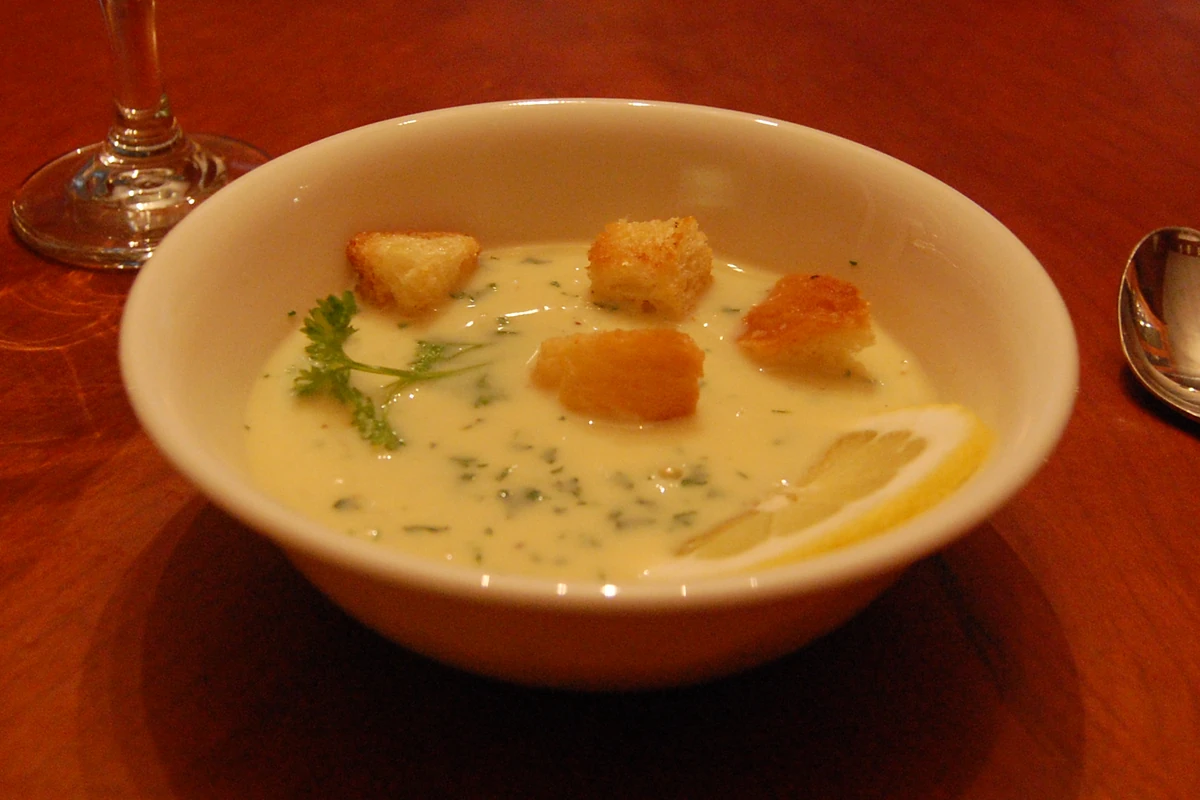
Avgolemono soup recipe
Serves: 4 servings. Prep: 15 minutes. Cook: about 45 minutes. Total: about 1 hour.
Ingredients
- 2 lb (900 g) bone-in chicken thighs or legs, or 1 lb (450 g) boneless thighs
- 8 cups (2 litres) water or low-salt chicken stock
- 1 onion, halved
- 1 carrot and 1 celery stick, in large pieces
- 1 bay leaf
- ½ cup (100 g) short-grain rice or orzo
- 2 large eggs, at room temperature
- Juice of 2 lemons (about ⅓ cup / 80 ml), plus more to taste
- Salt and black pepper
- To serve: a drizzle of extra virgin olive oil and a pinch of dried Greek oregano or chopped dill
Method
- Put the chicken, water or stock, onion, carrot, celery and bay leaf in a large pot. Bring to a boil, skim, then simmer gently for 30–35 minutes until the chicken is cooked through and tender.
- Lift out the chicken and vegetables. Strain the broth back into the pot, season with salt, and bring back to a simmer.
- Add the rice or orzo and simmer for 12–15 minutes until tender. Meanwhile, shred the chicken and discard skin and bones.
- In a bowl, whisk the eggs for a minute until frothy, then whisk in the lemon juice.
- Temper the eggs: while whisking constantly, add a ladle of hot broth in a thin stream. Repeat with 2–3 more ladles until the egg mixture is hot.
- Turn the heat to low. Pour the egg mixture into the pot, stirring, and heat gently for 2–3 minutes until the soup thickens slightly and is steaming. Do not let it boil, or the eggs may curdle.
- Return the chicken, check the seasoning and add more lemon if you like. Serve with olive oil, pepper and oregano or dill.
How to temper eggs so the soup doesn’t curdle
The only tricky part is adding the eggs. Drop them straight into hot broth and they scramble. Tempering means warming them gradually first, so they thicken the soup rather than setting into strands.
- Use eggs at room temperature and whisk them well before adding the lemon.
- Add hot broth one ladle at a time, whisking all the while, until the bowl feels hot.
- Lower the heat before pouring the mixture back in, and keep stirring.
- Heat until the soup is steaming and lightly thickened, but keep it below a boil.
Some cooks whisk the egg whites to soft peaks first, then add the yolks and lemon; this gives a slightly frothier soup. Either way, the soup should end up hot right through. The USDA lists 160°F (71°C) as the safe cooking temperature for egg dishes; a soup that is steaming steadily and has thickened is close to this, and a thermometer takes out the guesswork.
Rice or orzo?
Both are traditional. Short-grain rice (such as Carolina-style or arborio) releases starch that helps the soup feel creamy. Orzo, the rice-shaped pasta Greeks call kritharaki, gives a slightly firmer bite. Both keep absorbing broth as they sit, so if you plan to have leftovers, you may want to cook the rice or orzo separately and add it to each bowl. For a lemony rice side dish rather than a soup, see our Greek lemon rice.
Choosing the chicken and broth
Bone-in thighs or legs give the most flavour and stay tender. A whole small chicken is traditional and feeds a family for two meals, with the meat served separately. If you are short on time, use a good low-salt stock and boneless thighs, simmering them for about 20 minutes. Whatever you use, poultry should reach 165°F (74°C) inside, according to the USDA.
Lemon, seasoning and finishing
Fresh lemon juice is essential; bottled juice tastes flat here. Start with the juice of two lemons and add more at the end. A drizzle of fruity Greek extra virgin olive oil and a pinch of dried Greek oregano are not in every family recipe, but they add a lovely aroma. Fresh dill is another common finish.
Storing and reheating
Cool the soup and refrigerate it within 2 hours; eat it within 3 to 4 days. Reheat gently over low heat, stirring, and avoid boiling, which can split the egg. The USDA recommends reheating leftovers to 165°F (74°C). The soup thickens in the fridge, so add a splash of water or stock as it warms. Freezing is not ideal, because the egg-lemon base can separate when thawed.
For other classic Greek soups, try fasolada, the white bean soup, or Greek lentil soup (fakes). For more Greek lemon dishes, try our Greek lemon potatoes and Greek chicken marinade, or serve the soup alongside a slice of spanakopita. Find more in our Greek pantry recipes and the Greek olive oil collection.
Sources
Avgolemono soup: frequently asked questions
What does avgolemono mean?
Avgolemono means “egg-lemon” in Greek. It is both a sauce and the name of this chicken soup thickened with egg and lemon.
How do you keep avgolemono from curdling?
Temper the eggs by whisking in hot broth a ladle at a time, then return them to the pot over low heat and don’t let the soup boil.
Can you reheat avgolemono soup?
Yes. Reheat it gently, stirring, without boiling, and add a little water or stock if it has thickened.
Can I make avgolemono with orzo?
Yes. Orzo and short-grain rice are both traditional.

Good things from our land, ideas for your table.
Explore the pantry journal →